
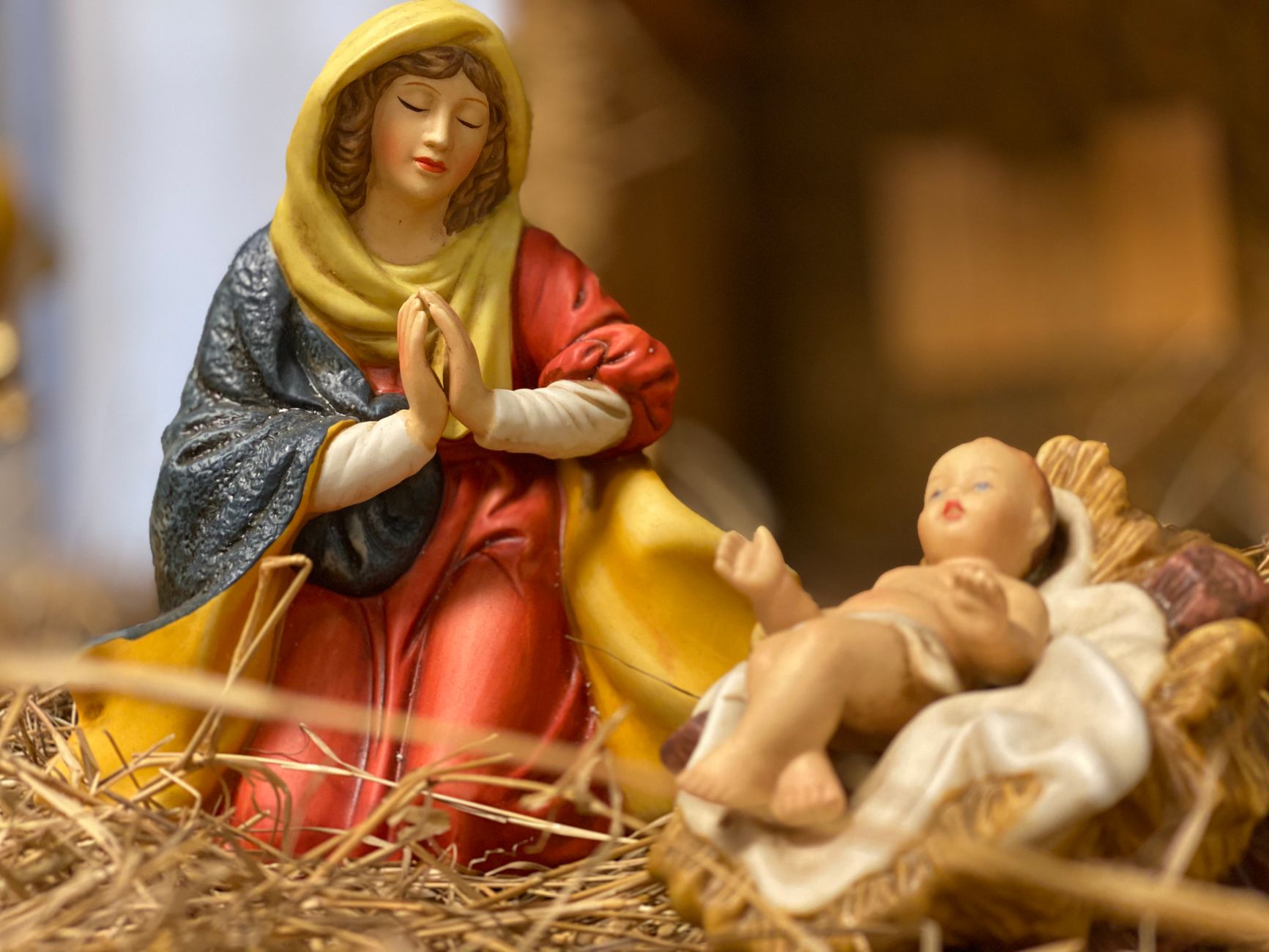
The story of Baby Jesus, including the circumstances of His birth and what He was wrapped in, is a significant part of Christian tradition and the celebration of Christmas. Understanding this narrative not only highlights His humble beginnings but also reflects deeper spiritual meanings within the Christian faith.
In the Gospel of Luke, we find one of the most beloved accounts of the nativity. Here, we look at the details surrounding His birth, the cultural implications of His swaddling, and the broader significance of this humble start to a life that would change the world.
What Was Baby Jesus Wrapped In?
Baby Jesus was wrapped in swaddling clothes, as noted in Luke 2:7 (NIV): “…and she gave birth to her firstborn, a son. She wrapped him in cloths and placed him in a manger, because there was no guest room available for them.” The use of swaddling clothes signifies several important aspects.
The Significance of Swaddling Clothes
Swaddling clothes were traditional garments for newborns in Jewish culture at that time. These strips of cloth were typically used to keep infants warm and secure, reflecting care and protection.
Cultural Context
During the time of Jesus’ birth, swaddling was a common practice across many cultures, including the Jewish community. It involved wrapping the baby snugly in long strips of cloth to provide comfort and warmth. This method was both practical and symbolic:
- Symbol of Care: Swaddling represents the tender care a mother takes to protect and nurture her child.
- Sign of Humility: Jesus was born to Mary and Joseph, a humble couple, and his simple swaddling reflects their modest means and circumstances.
- Prophetic Fulfillment: Some interpretations suggest that the swaddling signifies the fulfillment of prophecy regarding the Messiah, being a sign of His humble and unassuming entrance into the world.
The Manger: A Further Symbol
Not only was Jesus wrapped in swaddling clothes, but He was also placed in a manger—an animal feeding trough. This detail underlines the humility and simplicity of His birth. Instead of a royal cradle, He was laid where animals ate, emphasizing His accessibility to all.
Understanding the Biblical Narrative
The nativity narrative provides a multi-faceted view of Christian beliefs. The simplicity of Jesus’ birth contrasts sharply with expectations of grandeur often associated with royal births. Consider how this narrative elicits several key themes:
Humility
Jesus’ arrival in such humble circumstances teaches an important lesson about humility. Rather than being born into wealth and power, He entered the world in a setting of poverty. This starting point invites reflections on how values are often inverted in God’s Kingdom.
Accessibility
The choice to be born amidst the ordinary settings of life speaks to His mission—a desire to connect with all people, speaking hope and healing into the lives of the marginalized and downtrodden. His swaddled form in a manger symbolizes this accessibility.
Divine Purpose
While the birth was simple, the divine purpose was profound. The swaddling, a commonplace act of a mother, highlights Jesus’ humanity. In embracing human experience, He set a precedent for relationship with God, showing that He is both divine and accessible.
Historical Interpretations
Throughout the centuries, Jesus’ humble beginnings have been reinterpreted in various theological contexts. Scholars and theologians have engaged with the nativity story in rich and diverse ways, producing varying interpretations of its meaning.
Early Church Perspectives
In early Christian thought, the nativity narratives were viewed as prophetic fulfillments, drawing on the Hebrew Scriptures. Early Church Fathers such as St. Augustine emphasized the paradox of divine majesty existing in such a state of vulnerability.
Modern Theological Reflections
In contemporary discussions, many theologians focus on Jesus’ birth as an embodiment of God’s radical love for humanity. The simplicity of His nativity highlights how God’s presence can be found in the most unexpected places.
Reflections in Christian Worship
The story of Jesus wrapped in swaddling clothes significantly influences Christian observance, particularly during the Advent and Christmas seasons. Churches prepare for Christmas with various traditions that reflect this narrative.
Advent Observances
During Advent, the four weeks leading up to Christmas, many congregations will reflect on the themes of hope, peace, joy, and love. Each week draws on the nativity story, with the swaddling clothes often exemplifying the hope and peace that Christ brings into the world.
Christmas Services
Christmas services frequently recount the nativity story, often culminating in the lighting of candles that symbolize the light Jesus brings. Look for traditional hymns and carols, like “O Holy Night” and “Away in a Manger,” that capture the spirit of this simple yet profound story.
Practical Spiritual Exercises
To embrace the spiritual meanings surrounding the birth of Jesus, one can engage in reflective practices that help deepen understanding and personal connection to these themes.
Contemplative Prayer
Consider practicing contemplative prayer centered around the nativity story:
- Find a quiet space where you can sit comfortably.
- Take a few deep breaths to settle your mind and heart.
- Reflect on the imagery of Jesus being wrapped in swaddling clothes.
- Consider what this tells you about God’s love, humility, and desire for relationship.
- Conclude your prayer with gratitude for the gift of Jesus and His accessibility to all.
Engaging with Scripture
Another exercise involves reading and meditating on the nativity narrative in Luke 2. As you read, take note of your reactions and thoughts related to the simplicity of Jesus’ birth.
- What emotions arise as you read this story?
- How does it challenge or confirm your understanding of God’s nature?
- What do you feel called to do or reflect upon in your own life?
Cross-Religious Perspectives
The nativity story and the symbolism of swaddling are rich topics that invite dialogue across various faith traditions. While rooted in Christian belief, the themes of humility, care, and accessible divinity resonate broadly.
Interfaith Reflections
Many faith traditions embrace the importance of humility and service:
- Judaism: The tradition often emphasizes acts of kindness, tzedakah (charity), and care for the vulnerable, aligning with the values seen in Jesus’ humble beginnings.
- Islam: The concept of God’s closeness to humanity is reflected in the life of many prophets, including Jesus (known as Isa), who is revered and honored for His teachings.
Creating Dialogue
Engaging in interfaith conversations around the themes present in the nativity can foster understanding and respect among different beliefs. It can also shine light on shared values that resonate universally.
The Legacy of the Nativity Story
The story of Baby Jesus wrapped in swaddling clothes is not merely a historical event. It carries profound implications for faith, spirituality, and ethics. It invites believers and inquirers alike to reflect on the nature of God, love, and what it means to embrace humility in a world that often values power and prestige.
Personal Reflection
As you reflect on the nativity, consider how you can embody humility and serve those around you. What practical steps can you take to live out the values taught through this narrative?
Final Encouragement
Allow this time of year to renew your sense of hope and connection to the essence of the Christmas story. Embrace the invitation to explore the love of God that is demonstrated through the birth of Jesus.
In the end, the story of Baby Jesus wrapped in swaddling clothes is a call to love, serve, and engage with the world around us, no matter where we find ourselves.
For further reflection and growth in spirituality, consider exploring related articles on prayer practices, biblical interpretations, and understanding various faith traditions. Such resources can enhance your journey and deepen your understanding of faith and spirituality.