
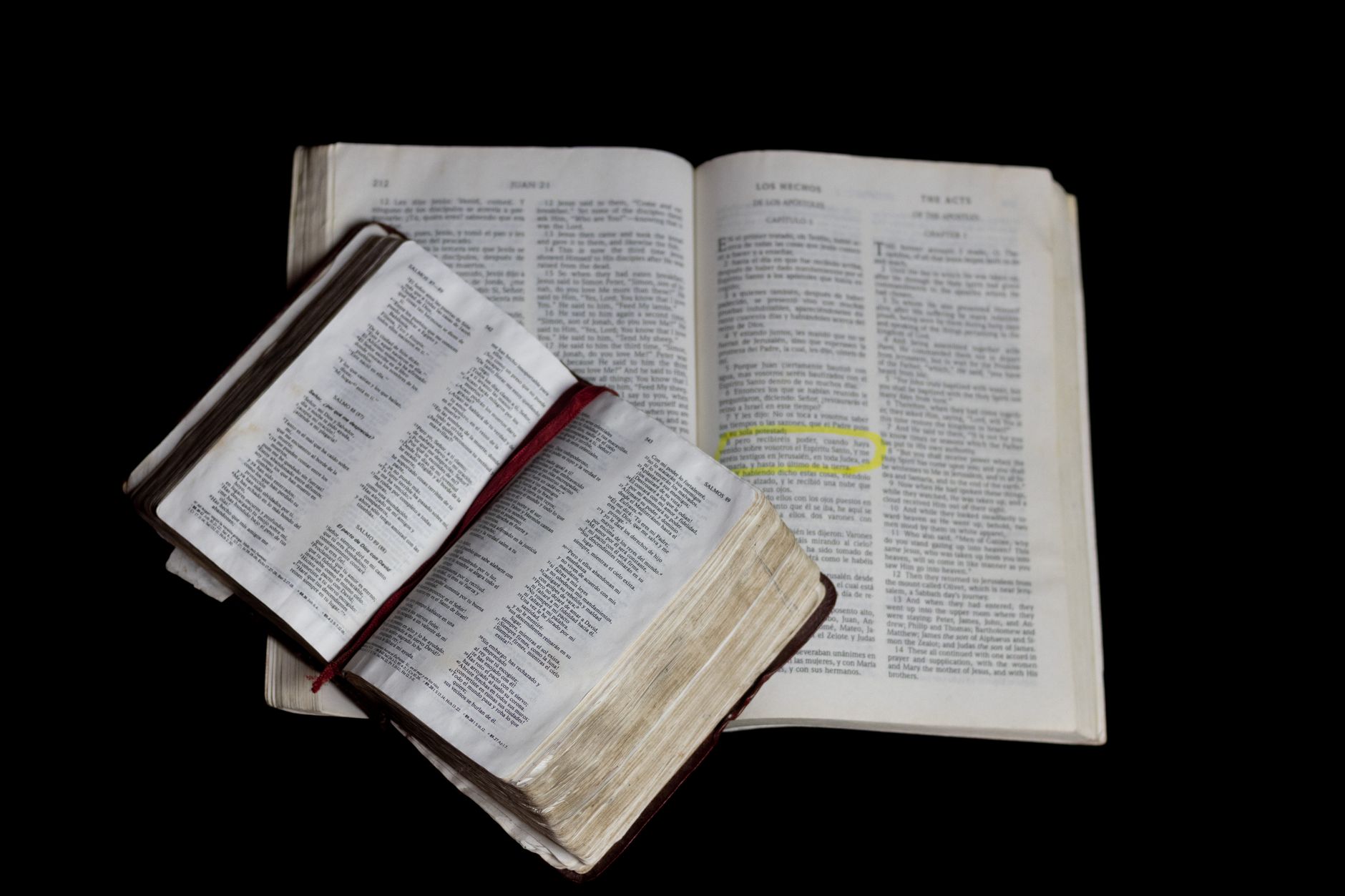
The phrase “equally yoked” is commonly referenced in Christian teachings. It originates from a biblical verse found in 2 Corinthians 6:14, which discusses the importance of relationships, particularly in the context of marriage and partnerships. To be “equally yoked” means that individuals are united in their beliefs and values, particularly in terms of faith. This concept plays a significant role in how relationships are viewed and cultivated within the Christian community.
This article explores the meaning of being equally yoked, its biblical context, and its implications for personal relationships, including marriage, friendships, and community ties. We will also look at how this principle can guide individuals in making connections that are spiritually uplifting and promote growth in faith.
What Does “Equally Yoked” Mean in the Bible?
The term “yoke” historically refers to a wooden beam used to join two animals together, commonly oxen, so that they could work together effectively in plowing fields. The idea of being “equally yoked” suggests that two individuals should share similar values, beliefs, and goals to work harmoniously together, particularly in a spiritual context.
The central biblical reference comes from 2 Corinthians 6:14, which states, “Do not be unequally yoked together with unbelievers.” This verse addresses the potential conflicts and challenges that can arise when two individuals have fundamentally different beliefs, especially in a marriage. The foundation of this teaching emphasizes the importance of shared faith and mutual respect in fostering strong, supportive relationships.
Historical and Cultural Context
To fully appreciate the concept of being equally yoked, it is essential to understand its historical and cultural context. The metaphor of the yoke would have been particularly resonant in ancient agrarian societies, where the productivity and effectiveness of labor depended on the compatibility of the animals under the yoke. In many ways, this agrarian lifestyle reflects the relational dynamics observed in communities today.
In biblical times, marriages were often arranged, and while love was an essential component, the alignment of faith and communal values was critical. Families sought to establish alliances that would benefit both congregations and ensure the continuity of faith traditions. Hence, the notion of being equally yoked was not merely a preference but a guiding principle that shaped societal norms and familial relationships.
The Implications of Being Equally Yoked
Understanding what it means to be equally yoked has significant implications for how individuals approach relationships. Here are some of the most vital aspects:
- Shared Faith: At its core, being equally yoked denotes a shared faith in God and adherence to similar beliefs. This unity strengthens the overall relationship and facilitates spiritual growth together.
- Values and Goals: Beyond faith, being equally yoked involves aligning values and life goals. This mutual understanding can lead to better communication and teamwork.
- Moral Support: When both partners share the same beliefs, they offer moral and spiritual support for one another. During difficult times, this bond becomes a source of resilience.
- Community Engagement: Equally yoked partnerships are more likely to engage together in the community, serving in ministries, participating in church functions, and supporting one another in faith-based activities.
Relationships and Equally Yoked Principles
The principle of being equally yoked predominantly pertains to romantic relationships, but it extends to friendships and community ties as well. Here is how it can be applied in various relational contexts:
Marriage
In marriage, being equally yoked is often viewed as essential for harmony. Couples who share beliefs and values can navigate life’s challenges with a unified perspective. Communication about faith can help address matters of raising children, financial management, and ethical dilemmas, all of which require alignment in values.
Friendships
Friendships grounded in shared faith and values can nurture spiritual growth. Being around like-minded individuals encourages openness in discussing beliefs, providing accountability and support in each other’s lives while maintaining spiritual integrity.
Community and Church Relations
In church settings, being equally yoked fosters a spirit of unity. It promotes collaborative involvement in service and ministry, leading to healthier church environments where mutual encouragement enhances spiritual engagement.
Contemporary Views and Challenges
In modern society, the notion of being equally yoked faces challenges. Mixed-faith relationships have become more common, as people embrace diverse beliefs. Consequently, discussions surrounding equally yoked principles are evolving to include how couples can navigate differences while maintaining mutual respect.
Many practitioners argue that being equally yoked should not lead to alienation of those with differing beliefs, but rather to an understanding that encourages open dialogue and love. Some congregations promote the idea that sharing faith can create strong partnerships without necessitating complete uniformity in belief systems.
Practical Steps Towards Building Equally Yoked Relationships
For those seeking to cultivate equally yoked relationships, consider the following practical steps:
- Deepen Your Faith: Invest time in spiritual growth through prayer, meditation, and study of scripture. The deeper your faith, the more equipped you are to engage with others on a spiritual level.
- Seek Like-Minded Individuals: Participate in church activities, community outreach, or spiritual study groups. Surrounding yourself with individuals who share similar values can lead to meaningful connections.
- Communicate Openly: When entering into relationships, be open about your faith journey and perceptions. This fosters transparency and trust, setting a foundation for deeper bonds.
- Embrace Differences: While pursuing equally yoked relationships, recognize that no individual is perfect. Engage with empathy and understanding towards those with differing beliefs.
- Pray for Guidance: Prayer can serve as a powerful tool in identifying equally yoked relationships. Seek divine guidance in your connections and relationships.
Conclusion
The principle of being equally yoked is a significant concept within the Christian community, influencing how individuals approach relationships of all kinds. It serves as a guiding principle that promotes spiritual growth, mutual support, and harmonious living. As relationships evolve, navigating faith differences while embracing common values can lead to meaningful connections that honor both individual beliefs and the essence of teamwork in spiritual journeys.
Consider reflecting on your relationships and assessing how the principle of being equally yoked has played a role in your life. Are there connections that strengthen your faith? Conversely, are there relationships that may require realignment in values or beliefs? Engaging in this reflection can provide clarity as you seek to foster spiritually enriching relationships.
For further exploration of related topics, consider reading articles on personal growth through prayer, the significance of community in faith, and the importance of ethical decision-making in daily life. Each of these aspects plays a vital role in navigating the spiritual landscape of relationships.