
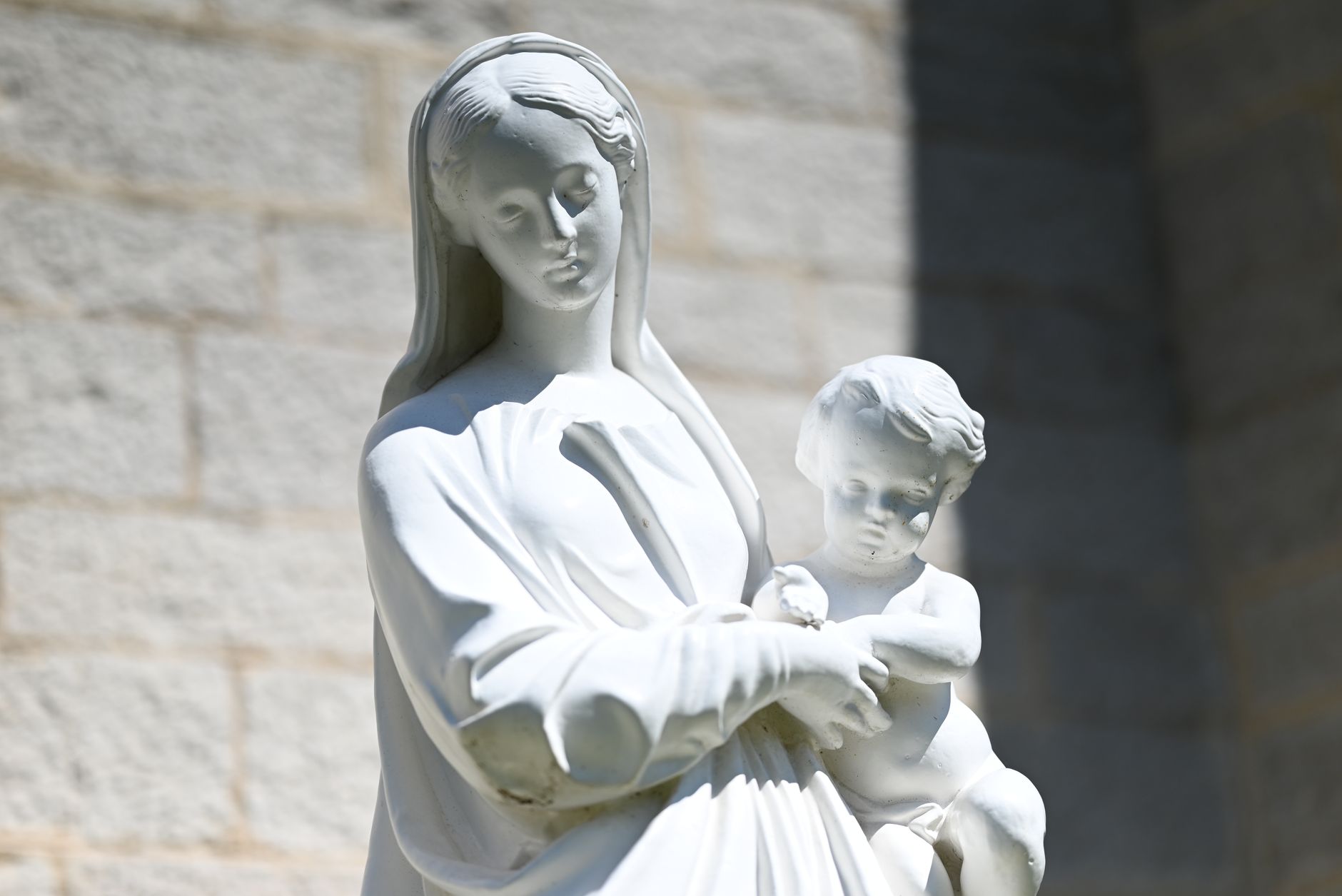
The story of Mary, the mother of Jesus, holds great significance within Christianity and is of particular interest to many believers and scholars alike. Her life, virtues, and ultimate departure from this world are reflections of her importance in the faith. Understanding how Mary died encompasses theological beliefs, historical traditions, and the devotion of many Christians across the centuries.
This article will delve into the various traditions and beliefs surrounding the death of Mary, exploring insights from scripture, historical accounts, and the interpretations prevalent in different Christian denominations. Through this exploration, we aim to provide a comprehensive understanding of her role and her departure from earthly life.
How Did Mary Mother of Jesus Die? (Story & Details)
Mary, the mother of Jesus, is revered for her piety, obedience, and motherly spirit. The circumstances of her death, however, are not explicitly detailed in the canonical Gospels. The tradition regarding Mary’s death varies significantly among different Christian communities. Some believe she experienced a natural death, while others speak of her death being a more miraculous event.
Historical Context of Mary’s Life
Mary’s life is framed within the socio-political context of first-century Judea, a region under Roman rule. As a Jewish woman, Mary would have navigated a complex religious landscape. Her acceptance of the message from the angel Gabriel marked her as a central figure in Christian theology. The Annunciation celebrates this pivotal moment when she agreed to bear the Son of God.
Mary is often portrayed as the ideal servant of God, demonstrated by her willingness to accept her role without question. This faith and submission are qualities that many believers admire and strive to emulate in their spiritual journeys.
Scriptural References to Mary’s Later Life
In the Biblical texts, after the birth of Jesus, Mary appears in various moments throughout the Gospels. However, there is a notable absence of details regarding her later life and death. The last mention of Mary in the New Testament occurs in the Book of Acts, where she is referenced among the early Christians in Jerusalem following Christ’s ascension.
The silence in the canonical texts invites speculation and prompts believers to seek further understanding from non-canonical sources and tradition.
Non-Canonical Accounts of Mary’s Death
Several non-canonical texts and early Christian writings provide insight into the beliefs surrounding Mary’s death. The most notable among these is the “Transitus Mariae,” or the “Death of Mary,” which is a collection of texts that narrate her final days.
According to these accounts, Mary’s death was marked by miraculous events. One common narrative describes how the Apostles, although spread across different regions, were gathered by divine intervention to be present at her passing. Upon her death, it is said that angels carried her soul to heaven, emphasizing her sanctity and special status.
The Assumption of Mary
The doctrine of the Assumption of Mary is a key element in Catholic teaching. It holds that Mary was taken body and soul into heavenly glory at the end of her earthly life. This belief is celebrated on August 15 each year, known as the Feast of the Assumption.
The Assumption underscores Mary’s unique role in salvation history, presenting her as a model of holiness and virtue. The concept is rooted in traditions that date back to the early Church, gaining formal recognition in the 1950s when Pope Pius XII defined it as a dogma of the Catholic Church.
Differences in Beliefs Among Christian Denominations
While the Roman Catholic Church holds the dogma of the Assumption, other Christian denominations may interpret Mary’s departure differently. Here is a brief overview of some perspectives:
- Eastern Orthodox Church: The Orthodox tradition acknowledges Mary’s Dormition or “falling asleep.” They believe that she died a natural death but was taken up into heaven afterward. In this view, there is no explicit doctrine of the Assumption, but her veneration remains profound.
- Protestant Communities: Many Protestant denominations do not hold specific teachings regarding the manner of Mary’s death. Generally, they honor her as the mother of Jesus but do not ascribe to her posthumous miracles like the Assumption.
- Anglican Communion: The Anglican Church holds Mary in high regard but varies in beliefs about her end of life, with some Anglicans embracing the tradition of the Assumption while others do not.
Significance of Mary’s Death in Christian Spirituality
Mary’s death holds great theological significance across the Christian faith. Her virtuous life and the manner of her departure are central to the understanding of obedience to God’s will and the hope for eternal life that she embodies. By reflecting on Mary’s life and death, believers can find inspiration for their spiritual growth.
For many, Mary’s experience offers insights into how to navigate life’s challenges with faith and trust in divine providence. Her willingness to embrace God’s plan serves as a model for all Christians. Engaging in spiritual practices that honor Mary can enrich one’s faith.
Practical Spiritual Exercises
To deepen one’s understanding of Mary and her significance, consider incorporating these spiritual practices:
- Daily Prayer: Include prayers to Mary, such as the Hail Mary or the Rosary, as a means to foster a connection with her virtues.
- Scripture Meditation: Reflect on passages such as Luke 1:26-38 (the Annunciation) and John 19:25-27 (Mary at the crucifixion) to draw closer to her life and experiences.
- Feast Days: Celebrate feast days dedicated to Mary, where applicable, to honor her role within the faith community.
Conclusion
Mary’s life and death are a profound testament to faith and obedience. Although details about her passing are not exhaustively documented in scripture, traditions and teachings continue to shape the beliefs of countless Christians. By exploring her role and reflecting upon her virtues, believers can find inspiration and guidance in their spiritual journeys.
If you are interested in deepening your study or practice around this topic, consider reflecting on how Mary’s virtues may inform your own faith. You might meditate on her example of obedience and compassion, seeking to integrate those qualities into your daily life.
Additionally, you might find value in exploring related articles on prayer and fasting, or scripture for nourishing the soul, such as prayers for fasting, and Bible verses about food for the soul.