
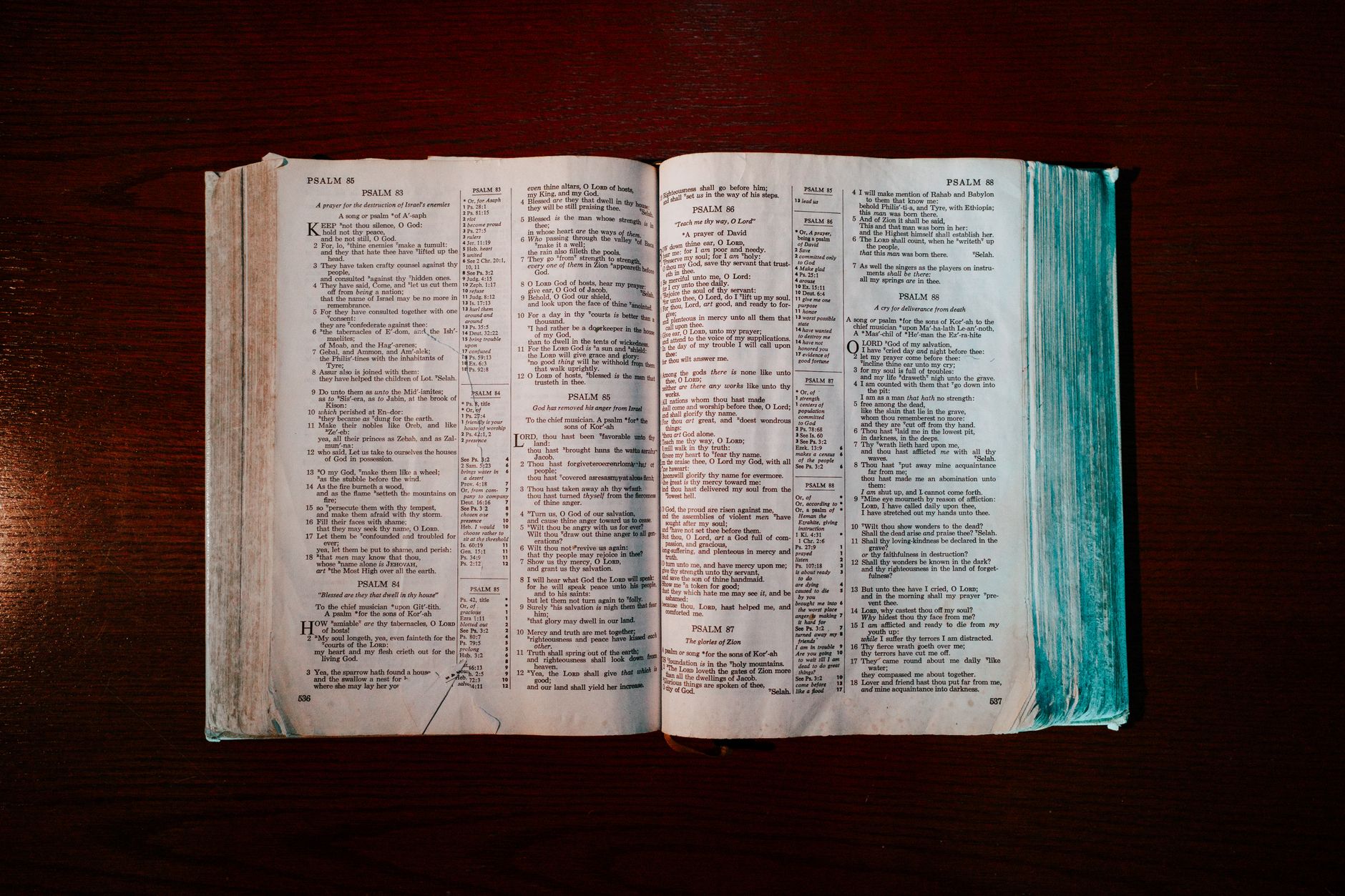
The quest for understanding scripture often leads us to delve into the depths of the Bible, seeking to uncover its teachings and meanings. Among the many intriguing features of this sacred text, one question arises: What is the longest book of the Bible? This exploration not only satisfies our curiosity but also invites us to reflect on the significance of the scriptures in our spiritual lives.
Understanding the longest book of the Bible provides insight into its structure, themes, and the message conveyed through its verses. By examining this text, we can gain a deeper appreciation for the narratives and lessons that shaped religious thought and practice.
What Is the Longest Book of the Bible?
The longest book of the Bible is the Book of Psalms. It contains a total of 150 psalms and is unparalleled in its depth, range of emotions, and poetic expressions. Through hymns of praise, cries of lament, and prayers of thanksgiving, Psalms conveys profound insights into the human experience and the relationship between humanity and the divine.
Understanding the Book of Psalms
Psalms is a collection of poetic lyrics that were traditionally attributed to King David, although other authors also contributed. The book spans various themes, including worship, sorrow, gratitude, and wisdom. Many psalms were used in temple worship and personal devotion, making them central to the spiritual lives of the ancient Israelites.
By understanding Psalms, we can recognize its significance not only in Jewish religion but also in Christianity, as it has been referenced throughout the New Testament. Its emotional authenticity and literary beauty resonate with believers across generations, offering a voice to both praise and lament.
Structure and Content of Psalms
The Book of Psalms is divided into five sections, each concluding with a doxology. This structure mirrors the five books of the Torah, emphasizing its foundational role in the life of faith. Each psalm varies in style, purpose, and length, creating a rich tapestry of spiritual expression. The major types of psalms include:
- Psalms of Praise: Celebrating God’s majesty and power.
- Thanksgiving Psalms: Expressing gratitude for God’s blessings.
- Lament Psalms: Crying out in sorrow and seeking God’s help.
- Wisdom Psalms: Imparting lessons on life and faith.
- Royal Psalms: Reflecting on kingship and God’s governance.
- Imprecatory Psalms: Calling for justice against foes.
The Themes and Lessons in Psalms
The Book of Psalms touches upon core themes relevant to personal and communal faith, including:
- The Nature of God: Portraying God as creator, protector, and sovereign.
- The Human Condition: Expressing the fullness of human emotions, from despair to joy.
- Faith and Trust: Encouraging reliance on God amidst trials.
- Worship and Liturgy: Offering a blueprint for worship practices.
- Community and Individuality: Addressing both personal and communal experiences.
Historical Context of Psalms
The origins of the Psalter can be traced back to various historical periods in Israel’s history. Scholars often date different psalms to specific times, from the monarchy to the Babylonian exile. The psalms served multiple purposes, ranging from private prayer to public worship, emphasizing their integral role in the life of the people.
Throughout Jewish history, Psalms has been used in daily prayers, festivals, and special occasions, reinforcing its place within the religious tradition. The early Church also adopted many psalms into Christian liturgy, enhancing their relevance for new believers.
Impact and Influence on Spirituality
The Book of Psalms continues to hold an essential place in both personal devotion and communal worship. Its prayers and songs have provided comfort, encouragement, and inspiration for countless believers seeking to express their faith authentically.
Various religious traditions utilize Psalms in unique ways:
- Judaism: Psalms are integral to daily prayers, especially during Shabbat and holidays.
- Christianity: Psalms are often recited during worship services and personal prayers, offering guidance and perspective.
- Liturgical Use: Many denominations incorporate specific psalms into liturgical readings, drawing connections between scripture and worship.
Practical Spiritual Exercises with Psalms
Engaging with the Book of Psalms can enhance one’s spiritual journey. Here are some practical exercises to incorporate Psalms into personal devotion:
- Daily Psalm Reading: Choose a psalm to read each day, reflecting on its meaning and how it applies to your life.
- Journaling: Write your thoughts and feelings in response to specific psalms, exploring how they resonate with your experiences.
- Memorization: Commit certain psalms or verses to memory to recall them during prayer or moments of reflection.
- Meditation: Select a verse or phrase from a psalm and meditate on its implications, allowing it to guide your thoughts and prayer.
- Incorporation in Prayers: Use verses from Psalms to inspire your prayers, borrowing their language to express your own sentiments.
Conclusion
The Book of Psalms, as the longest book of the Bible, offers profound insights into the human experience of faith. Its poetic structure, emotional depth, and spiritual richness continue to inspire believers across generations. By understanding and engaging with Psalms, we can deepen our connection with the divine and enhance our spiritual practices.
As you reflect on the teachings of Psalms, consider the following question: How can you incorporate the themes of the psalms into your daily life and worship? Explore this sacred text and discover the abundant wisdom it offers.
For those interested in exploring related themes in spirituality and religion, consider delving into prayer practices and the significance of food in spiritual traditions by visiting prayers for food and Bible verses about food.