
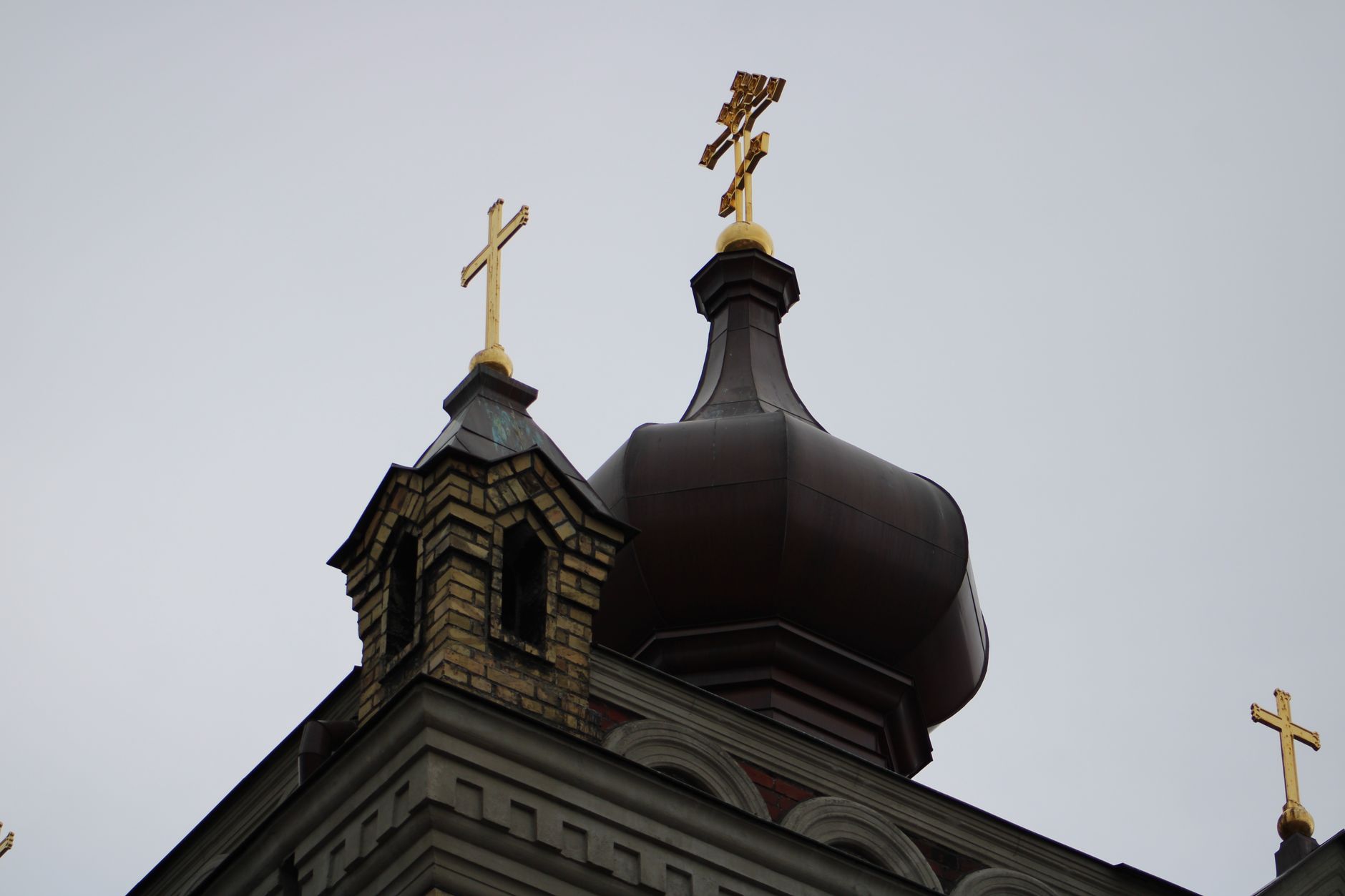
The cross on which Jesus was crucified holds significant meaning within the Christian faith, representing sacrifice, redemption, and hope. This article delves into the history and various locations associated with the crucifixion, providing insights into the religious implications, the geography of the events, and facts surrounding this pivotal moment in the New Testament.
Understanding the significance of the cross goes beyond its physical representation. It invites reflection on the themes of suffering, salvation, and transformative love found within the Christian narrative.
Where Is the Cross Jesus Was Crucified On?
The exact location of Jesus’ crucifixion is traditionally believed to be at Golgotha, or “The Place of the Skull.” This site, located just outside the walls of Jerusalem, is commemorated in the modern church known as the Church of the Holy Sepulchre. While this location is widely accepted, there have been debates among historians and religious scholars about its authenticity.
Historical Context of Golgotha
Golgotha is referenced in the New Testament, particularly in the Gospels of Matthew, Mark, Luke, and John. According to these texts, after being betrayed, arrested, and condemned, Jesus was taken to Golgotha for crucifixion. The Gospels provide varying details, but they all contribute to the narrative of Jesus’ final hours.
- Matthew 27:33 mentions Jesus being led to a place called Golgotha.
- Mark 15:22 refers to Golgotha in the context of Jesus’ journey to be crucified.
- Luke 23:33 also claims that Jesus was crucified at the “skull,” referring again to Golgotha.
- John 19:17 explicitly states that they carried Jesus to Golgotha.
These references collectively establish the significance of Golgotha in Christian theology as the site of Jesus’s ultimate sacrifice for humanity’s sins.
Theological Significance of the Cross
The cross symbolizes the intersection of divinity and humanity. For Christians, it serves as a reminder of Jesus’ willingness to endure suffering for the sake of others. This theme is prevalent throughout the New Testament, particularly in writings that elaborate on Christ’s sacrifice and its implications for believers.
- The cross represents the ultimate act of love, as highlighted in John 3:16, which states that God loved the world so much that He gave His only Son.
- Through the lens of Christian belief, the resurrection following the crucifixion signifies victory over sin and death.
- The cross serves as a symbol of hope, embodying the transition from despair to salvation.
Church of the Holy Sepulchre: A Pilgrimage Site
The Church of the Holy Sepulchre is a revered site among Christian pilgrims. It encompasses the traditionally identified locations of Jesus’ crucifixion, burial, and resurrection. Built in the early fourth century by Emperor Constantine, this church has undergone various modifications throughout the centuries, yet it remains a focal point of pilgrimage and worship.
Key features of the Church of the Holy Sepulchre include:
- The Golgotha Chapel: This area within the church marks the believed spot of the crucifixion. Visitors can observe an altar and a rock formation that represents where Jesus was crucified.
- The Stone of Anointing: Located near the entrance, this stone commemorates the anointing of Jesus’ body after His crucifixion.
- The Edicule: This structure surrounds the tomb of Jesus and encapsulates the burial site, symbolizing resurrection.
The Impact of the Crusades
During the Crusades, the Church of the Holy Sepulchre became a central site for Christian worship and military endeavors. It is essential to acknowledge how these historic events influenced Christian perceptions of the crucifixion site, elevating it to a symbol of faith and resistance against oppression.
Alternative Theories and Locations
While Golgotha and the Church of the Holy Sepulchre remain the most recognized sites, alternative theories have surfaced regarding the locations of Jesus’ crucifixion. Some of these alternatives are based on historical research, archaeological evidence, and interpretations of scripture.
Other Proposed Locations
- Gordon’s Calvary: Some scholars propose that this site, located north of the old city of Jerusalem, may be the true location of Golgotha. Its rock formation resembles a skull, aligning with the meaning of Golgotha.
- Mount Zion: Certain traditions suggest that Jesus may have been crucified on Mount Zion, a significant location in Jewish history and theology.
- South of the city: Historical documents propose this area as a possible location, drawing connections to the ancient city structures and burial practices.
These alternative locations provide rich soil for discussion among theologians and archaeologists, offering various interpretations of the events surrounding the crucifixion.
The Cross in Christian Practices
The cross remains a powerful symbol in Christian worship and practices. Its representation can be seen in various forms, from jewelry to church architecture. Each representation serves as a reminder of Christ’s sacrificial love and the promise of eternal life.
Symbolic Observances
Across diverse Christian denominations, the cross plays a critical role in rituals and sacraments:
- Baptism: The sign of the cross is often made during baptism, symbolizing the belief in Jesus’s death and resurrection.
- Communion: The Eucharist remembers Jesus’s Last Supper and sacrificial death, symbolized by the cross.
- Lent and Easter: During Lent, Christians reflect on the passion of Christ, culminating in Easter celebrations that rejoice in the resurrection.
The Cross in Art and Literature
The crucifixion has been a profound source of inspiration in art, literature, and music throughout history. Artists have depicted the cross in various forms, illustrating its spiritual significance.
Influential Artworks
- The Crucifixion by Diego Velázquez: This painting portrays the moment of Jesus’ crucifixion, compelling viewers to contemplate the weight of His sacrifice.
- Christ on the Cross by Salvador Dalí: Known for its surreal elements, this artwork delves into the profound spiritual implications of the crucifixion.
- Religious Hymns: Numerous hymns celebrate the cross, echoing its themes of salvation, hope, and grace.
Reflection and Spiritual Significance
Engaging with the story of the crucifixion invites deeper contemplation of personal faith and values. The cross, as a symbol, represents various themes that resonate in spiritual growth—love, sacrifice, and the call to live sacrificially towards others.
Practical Spiritual Exercise
To deepen your understanding, consider the following reflective practices:
- Set aside time for quiet reflection or meditation on the meaning of the cross in your life.
- Journal your thoughts about how sacrifice plays a role in your faith and relationships.
- Engage in a community service project, embodying the love of Christ through acts of kindness.
Conclusion
Understanding the significance of the cross where Jesus was crucified extends beyond historical curiosity. It fosters reflection on the profound themes of sacrifice, love, and hope within the Christian faith. Whether examining the traditional site at Golgotha or contemplating the broader implications of Jesus’s crucifixion, believers are invited to embrace the rich tapestry of meaning associated with this pivotal event in religious history.
As you reflect on these themes, consider exploring related articles, such as Bible Verses About Food and Prayers for Fast, to further enrich your spiritual journey.