
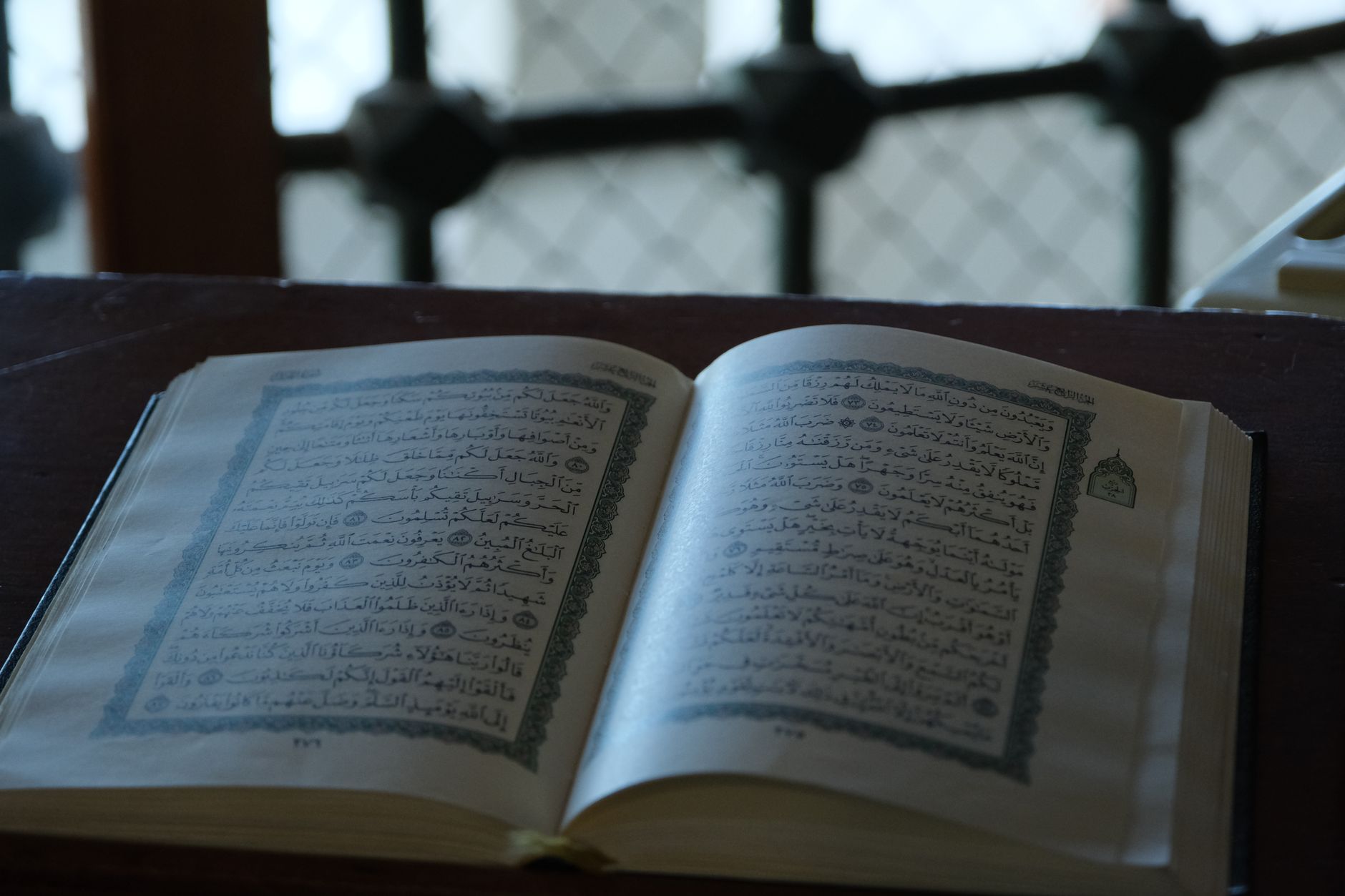
Exploring the interconnectedness between religions can deepen our understanding and appreciation for diverse beliefs. One common point of inquiry revolves around scriptural references to key figures, such as Jesus. For those curious about Islam and its teachings regarding Jesus Christ, the answer is nuanced and significant.
This article delves into whether Jesus is mentioned in the Quran, providing insights into how this figure is perceived in Islamic teachings compared to Christian beliefs, and what these perspectives can mean for interfaith dialogue and personal spirituality.
Is Jesus Mentioned in the Quran?
Yes, Jesus is indeed mentioned in the Quran. He is referred to as “Isa” in Arabic and is regarded as one of the major prophets in Islam. The Quran recognizes him as the Messiah and includes several verses that recount his miraculous birth, teachings, and the miracles he performed.
Jesus in the Quran: Key References
Jesus appears multiple times throughout the Quran. The following are some key verses that highlight his significance:
- Surah Al-Imran (3:45-47): This passage discusses the announcement of Jesus’ birth to Mary (Maryam) by angels, detailing the miraculous nature of his birth.
- Surah Maryam (19:16-36): Here, the Quran narrates the story of Mary and the birth of Jesus, emphasizing Mary’s purity and Jesus’ prophethood from an early age.
- Surah Al-Ma’idah (5:110): In this verse, Jesus is described as being supported by the Holy Spirit and performing miracles among the people.
The Nature of Jesus in Islamic Theology
In Islam, Jesus is highly respected and viewed as a messenger of Allah (God). However, Islamic theology distinguishes sharply between the role of Jesus in Christianity and in Islam.
Prophet, Not Divine
One of the fundamental differences is that while Christians believe Jesus is the Son of God and part of a divine Trinity, Muslims view Jesus as a prophet and a servant of God, but not as divine himself. He is one of the five greatest prophets in Islam, alongside Noah, Abraham, Moses, and Muhammad.
Miracles and Teachings
The Quran acknowledges the miracles performed by Jesus, such as healing the sick and reviving the dead. Yet, these miracles are depicted as signs of God’s power rather than evidence of Jesus’ divinity. They serve to highlight the importance of faith in God, rather than faith in Jesus as the divine.
Comparative Perspectives: Christianity and Islam
The differences in representing Jesus lead to distinct theological frameworks in Christianity and Islam. Understanding these distinctions can broaden interfaith discussions.
Concept of Redemption
In Christianity, Jesus’ crucifixion and resurrection are central to the concept of redemption and salvation. Conversely, the Quran teaches that Jesus was not crucified but was instead taken up by God, a belief that alters the understanding of salvation in Islam.
Role of Jesus in Eschatology
Jesus holds an important role in Islamic eschatology, where he is expected to return before the Day of Judgment to restore justice and defeat falsehood. This contrasts with Christian views of Jesus’ second coming, further enriching the discussion on end-times beliefs across these two faiths.
Reflection and Interfaith Understanding
The presence of Jesus in both the Quran and the Bible can serve as a profound touchpoint for dialogue between Christians and Muslims. Acknowledging Jesus’ role in both scriptures fosters a respectful exploration of faith differences while celebrating the common reverence for his teachings.
- Respectful Listening: Approach conversations about faith with an open heart and mind, allowing space for understanding diverse views.
- Shared Values: Identify and discuss the moral and ethical teachings shared by both religions, such as compassion, generosity, and justice.
- Engagement with Texts: Encourage studying both the Quran and the Bible to appreciate their narratives and theological positions on figures like Jesus.
Practical Spiritual Exercise: Interfaith Prayer
One meaningful way to honor the shared legacy of Jesus is through interfaith prayer. Here’s a simple practice you can incorporate:
- Gather in a setting that feels spiritually safe and welcoming for participants of different faiths.
- Begin with a moment of silence, allowing everyone to center themselves.
- Invite each participant to share a blessing, prayer, or teaching about Jesus from their perspective.
- Conclude with a joint prayer or affirmation that recognizes the common values held across both faiths.
The Importance of Understanding Differences
While Jesus is a central figure in both Christianity and Islam, the interpretations of his life, death, and purpose are complex and vary significantly between the two faiths. Engaging with these differences thoughtfully can deepen personal spirituality and foster unity in diversity.
The Role of Theology in Daily Life
Understanding how religious texts interpret figures like Jesus can have practical implications on how individuals approach ethical dilemmas, personal conduct, and community relationships. It highlights the importance of reflecting on one’s beliefs and seeking wisdom from different traditions.
Conclusion
Jesus is a pivotal figure in both the Quran and the Bible, yet the interpretations of his life and teachings reflect broader theological differences between Christianity and Islam. By approaching these differences with respect and openness, individuals can learn from one another and cultivate a deeper understanding of faith.
As you continue your spiritual journey, consider engaging with both the Quran and the Bible, seeking wisdom in their teachings. This exploration not only enriches one’s faith but also fosters compassionate dialogue between diverse belief systems.
For those interested in further exploring related topics, there are many enriching articles available, such as those focusing on interfaith dialogue, sacred texts, or the role of prophets in various faith traditions. Embracing these resources can lead to profound insights and spiritual growth.