
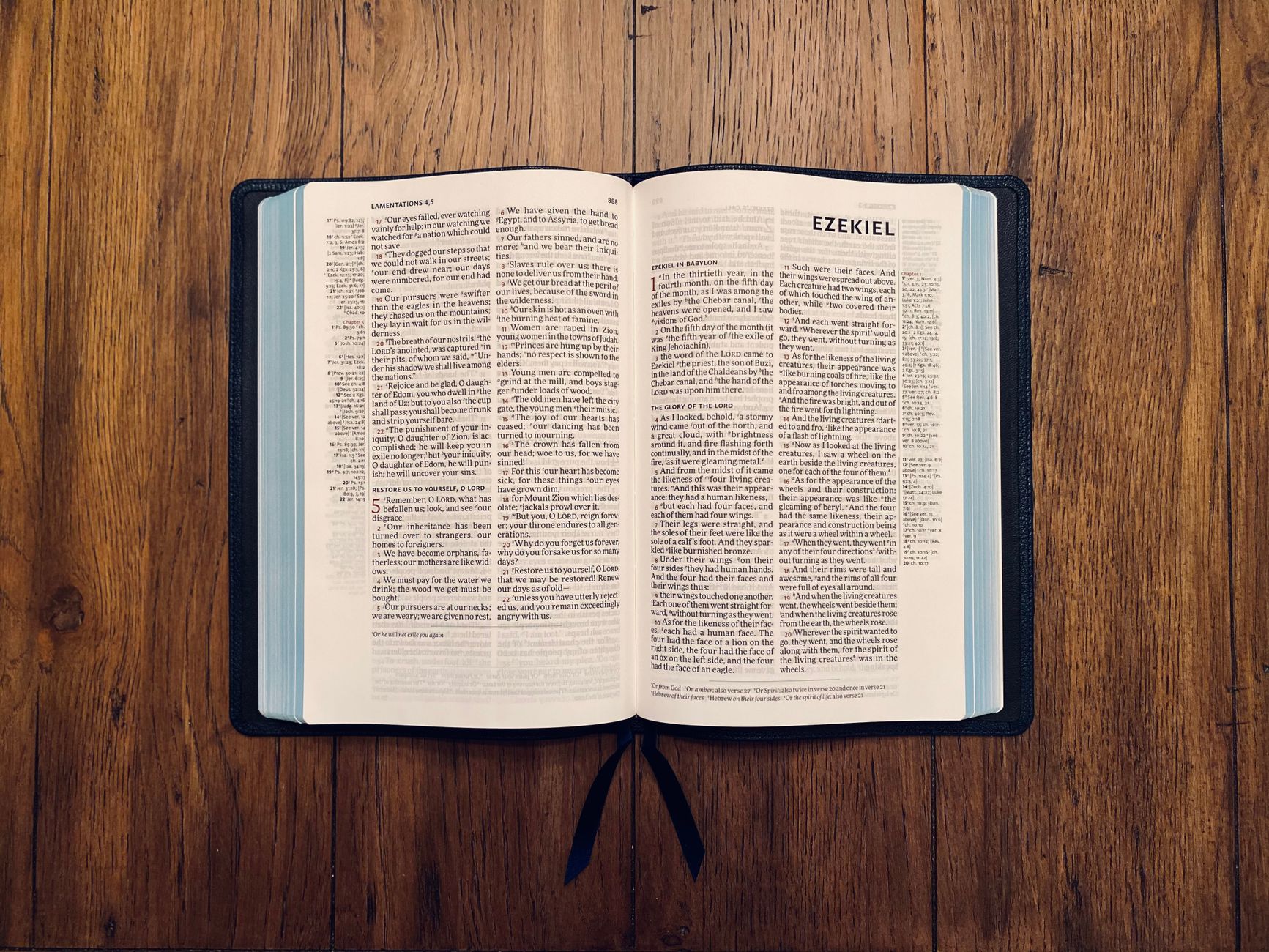
The topic of alcohol consumption and its relation to personal conduct often raises questions among Christians, particularly regarding the scriptural principles of minding one’s own business. Understanding what the Bible says about these subjects can provide clarity and guidance on how to navigate the complexities of social interactions, personal choices, and communal responsibilities.
This article explores what the Bible teaches about alcohol drinks and how it connects with the broader principle of minding one’s own business. We will examine relevant scriptures, interpretations, and the implications for daily life and personal spirituality.
What Does the Bible Say About Minding Your Own Business?
The Bible emphasizes the importance of minding one’s own business as a means of fostering peace and mutual respect within communities. Colossians 3:2 encourages believers to set their minds on things above rather than becoming overly involved in matters that do not directly concern them.
In 1 Thessalonians 4:11, Paul instructs the church to “aspire to live quietly, and to mind your own affairs.” This implies that being focused on one’s personal journey can lead to a more harmonious community. Thus, the call to mind one’s own business often serves as a reminder to prioritize personal growth and respect for the choices of others.
Understanding Alcohol Consumption in the Bible
Alcoholic beverages are mentioned throughout the Bible, with various passages providing insight into their use and the surrounding moral implications. While wine is often viewed positively as a symbol of joy and celebration, notably in Psalms and the New Testament, it is also cautioned against due to the potential for misuse.
For example, in Proverbs 20:1, it states, “Wine is a mocker, strong drink is raging: and whosoever is deceived thereby is not wise.” This verse highlights the importance of caution regarding alcohol consumption and promotes wise decision-making instead of impulsiveness.
The Positive Aspects of Drinking
The Bible includes instances where drinking wine symbolizes celebration and blessings. For instance:
- Psalms 104:15: “And wine that maketh glad the heart of man.” This verse indicates that wine can bring joy and enhancement to a festive atmosphere.
- John 2:1-11: The miracle at the wedding in Cana, where Jesus turned water into wine, signifies the acknowledgment of wine’s place within communal celebrations.
These passages illustrate that, when consumed moderately and responsibly, alcohol can be a part of joyous occasions and not inherently sinful.
Warnings Against Excess
However, the Bible also contains numerous warnings against excessive drinking and intoxication. Ephesians 5:18 directs believers to “not be drunk with wine, wherein is excess; but be filled with the Spirit.” This guidance underscores a clear distinction between moderate consumption and drunkenness.
Moreover, 1 Corinthians 6:10 states that drunkards will not inherit the kingdom of God, reinforcing the idea that excessive drinking can lead to moral and spiritual consequences that impact one’s relationship with God.
The Role of Community in Alcohol Consumption
Throughout the Bible, community plays a vital role in guiding individual behavior, particularly regarding alcohol. Believers are urged to consider how their actions affect others within their community.
Romans 14:21 states, “It is good neither to eat flesh, nor to drink wine, nor anything whereby thy brother stumbles, or is offended, or is made weak.” This instruction emphasizes the call to be mindful of how personal choices, including alcohol consumption, can impact fellow believers, particularly those who may have different convictions or issues with alcohol.
Balancing Personal Freedom and Community Responsibility
Many Christians find themselves navigating the balance between personal freedom and the responsibility to care for their community. The Bible encourages believers to exercise discernment and empathy, particularly concerning behaviors that might lead others into temptation or sin.
As such, refraining from alcohol in certain contexts may be wise to protect those who are vulnerable. This reflects a core principle of minding one’s own business—being mindful of the effects of one’s choices on others rather than insisting on personal rights.
Practical Implications for Modern Believers
Understanding the biblical teachings about alcohol and the principle of minding one’s own business can provide valuable insights for contemporary believers. Here are some practical implications that can guide one’s spiritual journey:
- Practice Self-Reflection: Engage in regular self-examination regarding your relationship with alcohol. Consider if your consumption is healthy and how it aligns with your spiritual values.
- Respect Individual Choices: Honor the choices of others regarding alcohol consumption without judgment. This demonstrates love and respect for your community.
- Be Aware of Your Influence: Recognize that your actions may influence others, whether positively or negatively. Strive to lead by example when it comes to the responsible use of alcohol.
- Encourage Open Dialogue: Create an environment where discussions about alcohol can occur without fear of judgment. This can foster mutual understanding and support.
- Pray for Wisdom: Seek divine guidance through prayer, asking for discernment in your choices regarding alcohol.
Minding Your Own Business—A Broader Context
Minding one’s own business extends beyond the conversation about alcohol consumption. In a broader spiritual sense, it calls for restraint and wisdom in how believers engage with both their community and the world. Some relevant themes include:
- Privacy and Respect: Honor the personal boundaries of others by refraining from gossip or unwarranted scrutiny.
- Focus on Personal Growth: Concentrate on your spiritual development rather than becoming preoccupied with the actions of others.
- Encouragement and Support: Build others up in love instead of criticizing their choices, creating a nurturing community.
Mindfulness in Social Contexts
In social contexts where alcohol is present, maintaining mindfulness is essential. This means being aware of the environment, the feelings of others, and the impact of one’s actions. Practicing mindfulness can enhance spiritual growth and relationship-building, leading to a stronger sense of community.
Prayer and Reflection On Alcohol Consumption
As believers navigate their choices related to alcohol consumption, prayer can serve as a critical tool. Here are some steps for thoughtful prayer and reflection:
- Seek Clarity: Ask God for clarity about your motives regarding alcohol consumption.
- Reflect on Scripture: Meditate on passages that discuss wine and drunkenness, asking how these teachings apply to your life.
- Pray for Others: Intercede for those struggling with alcohol-related issues and ask for guidance on how you can support them.
Conclusion
Understanding what the Bible says about minding your own business and alcohol consumption can provide valuable insights for spiritual growth and community engagement. Biblical principles encourage responsible choices, mindful interactions, and a supportive attitude towards others, emphasizing the delicate balance between personal freedom and communal responsibility.
A practical step is to reflect on your own choices regarding alcohol and how they may affect those around you, allowing this reflection to guide your actions in accordance with your faith. By doing so, you embody the principles of love and respect that the Bible teaches.
For more resources on spirituality and community support, consider exploring prayers for alcoholics and Bible verses about beer. These can provide further guidance and insights into navigating faith and choices related to alcohol.