
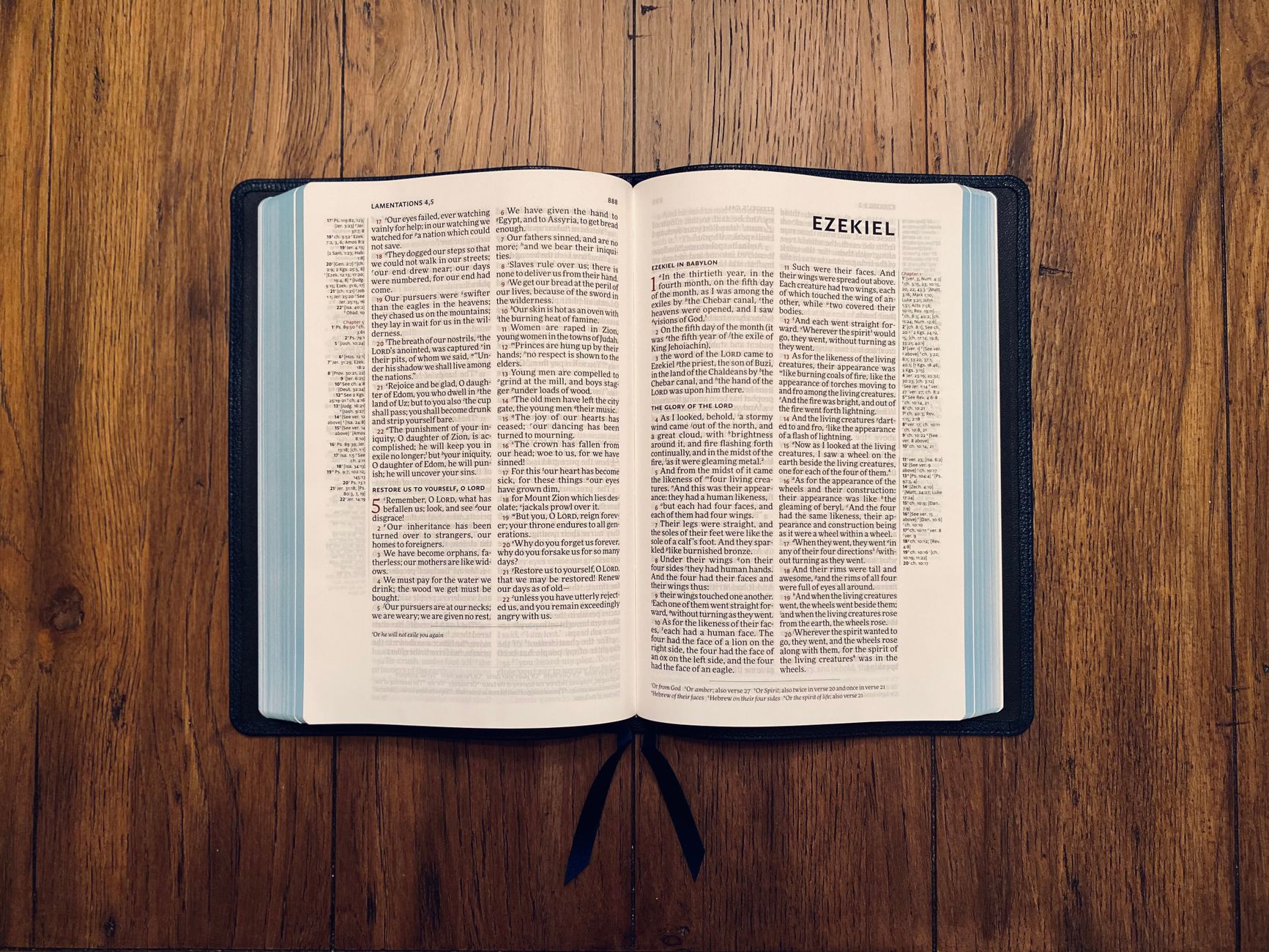
Understanding the phrase “Only God can judge” is essential for many individuals navigating their moral, ethical, and spiritual lives. This expression is often referenced to imply that ultimate judgement belongs solely to God. Its roots are deep in scripture, particularly within the King James Version (KJV) of the Bible, which sheds light on its meaning and implications.
In this article, we will explore the biblical context of this phrase, the verses from which it originates, and the broader themes of judgment, mercy, and personal accountability in spiritual practice. Through this exploration, we aim to deepen our understanding of how this concept informs our day-to-day interactions and spiritual growth.
What Does “Only God Can Judge” Mean in the Bible?
The phrase “Only God can judge” does not appear verbatim in the Bible, but its essence is captured in various scriptures that discuss human judgment and divine authority. One of the most frequently cited passages is Matthew 7:1-2, which states:
“Judge not, that ye be not judged. For with what judgment ye judge, ye shall be judged: and with what measure ye mete, it shall be measured to you again.”
This foundational scripture establishes that human beings are not in a position to judge others without facing similar scrutiny themselves. This principle resonates with the theological assertion that only God possesses the complete knowledge, righteousness, and authority necessary to judge the hearts and actions of individuals.
The Context of Biblical Judgment
To comprehensively understand the concept of judgment reflects not merely the prohibition of assigning blame or condemnation but addresses deeper spiritual truths. Below are some essential aspects of biblical judgment:
- Divine Authority: God is viewed in many religious traditions as the ultimate judge of humanity. In this role, God’s decisions are based on complete knowledge, understanding, and mercy.
- Human Fallibility: Humans are flawed and often lack the perspective to make fair judgments. Therefore, individuals are reminded to be cautious in their assessments of others.
- Call to Compassion: Scriptures consistently encourage compassion and understanding toward others, rather than condemnation.
Significance of Mercy and Forgiveness
Another profound aspect of the teachings related to judgment is the emphasis on mercy and forgiveness. The Bible articulates God’s desire for individuals to act with kindness, compassion, and grace towards one another. Colossians 3:13 states:
“Forbearing one another, and forgiving one another, if any man have a quarrel against any: even as Christ forgave you, so also do ye.”
This scripture not only acknowledges the inevitability of conflicts among individuals but also provides an imperative for forgiveness, further substantiating that humans should not focus on judgment but rather on reconciliation and understanding.
Exploration of Key New Testament Verses
In addition to Matthew 7:1-2, several other New Testament verses reinforce the divine right to judge. Here are a few notable examples:
- Romans 14:10-12: This passage emphasizes personal accountability at the end of life, stating that all individuals will stand before the judgment seat of Christ.
- James 4:12: It asserts that there is only one lawgiver and judge, indicating that only God is qualified to judge the law and those under it.
- John 8:7: Here Jesus challenges those ready to condemn a woman caught in adultery by saying, “He that is without sin among you, let him first cast a stone at her.” This attitude toward judgment highlights the need for self-reflection before acting against others.
The Old Testament Perspective
The theme of divine judgment is also prevalent in the Old Testament. Verses such as Deuteronomy 32:35 emphasize God’s justice and vengeance, affirming the belief that humans do not have the authority to judge justly:
“To me belongeth vengeance, and recompence; their foot shall slide in due time: for the day of their calamity is at hand, and the things that shall come upon them make haste.”
This reflects a foundational belief that judgment is ultimately reserved for God, reminding others to place their trust in divine wisdom.
The Role of Spiritual Growth in Understanding Judgment
Recognizing that “only God can judge” invites individuals to engage more deeply in their spiritual growth. Personal reflection and evaluation of one’s life can foster a deeper understanding of faith, rooted in consciousness rather than condemnation. This can also guide believers toward more authentic relationships with others.
Some practices that encourage spiritual growth in the context of judgment include:
- Self-Examination: Regularly reflect on personal actions and motives, seeking areas for growth and improvement without harsh self-judgment.
- Prayer and Meditation: Engage in prayer and meditation to cultivate compassion for others and to seek divine guidance on interpersonal relationships.
- Acts of Kindness: Take steps to extend kindness and understanding to those who may have wronged you, fostering a spirit of forgiveness.
- Education: Study biblical texts and teachings to better understand the principles of judgment and mercy.
The Impact of Community and Interpersonal Relationships
One of the key areas where the principle of “Only God can judge” holds great importance is in community life. Beyond personal reflection, relationships shape how we perceive and respond to the actions of others.
This perspective can foster a more inclusive and supportive community, where individuals are encouraged to lift each other up rather than criticize. In turn, this cultivates an atmosphere where faith can thrive, enabling individuals to focus on spiritual growth without the burden of negative judgment.
Challenges in Living Out This Principle
While the notion that “only God can judge” inspires many, implementing this principle can be challenging. Several factors can complicate this aspect of spiritual living:
- Human Nature: It is often human nature to judge others, leading to the challenge of overcoming instinctive responses in interpersonal dynamics.
- Cultural Pressures: Societal values sometimes emphasize judgment over understanding, creating barriers to living out this scriptural ideal.
- Misinterpretations: Some may misconstrue “only God can judge” as a license to engage in immoral behavior without accountability, which contradicts the broader teachings of the Bible.
Conclusion: Embracing the Teachings on Judgment
Understanding that “only God can judge” offers believers a path of compassion, mercy, and introspection. It encourages individuals to release the urge to judge others and invites them to focus instead on their growth and relationship with God.
As a practical exercise, consider taking a moment for reflection. Ask yourself how you can foster deeper compassion in your interactions and work towards being a source of encouragement rather than judgment.
As you explore more about the journey of faith, consider engagement with scriptural passages that inspire self-examination, forgiveness, and love, allowing these themes to enrich your spiritual journey.
For those interested in related themes, explore these concepts further: Bible Verses About the Sea and Bible Verses About Food. Each resource can deepen your understanding and enrich your spiritual practice.