
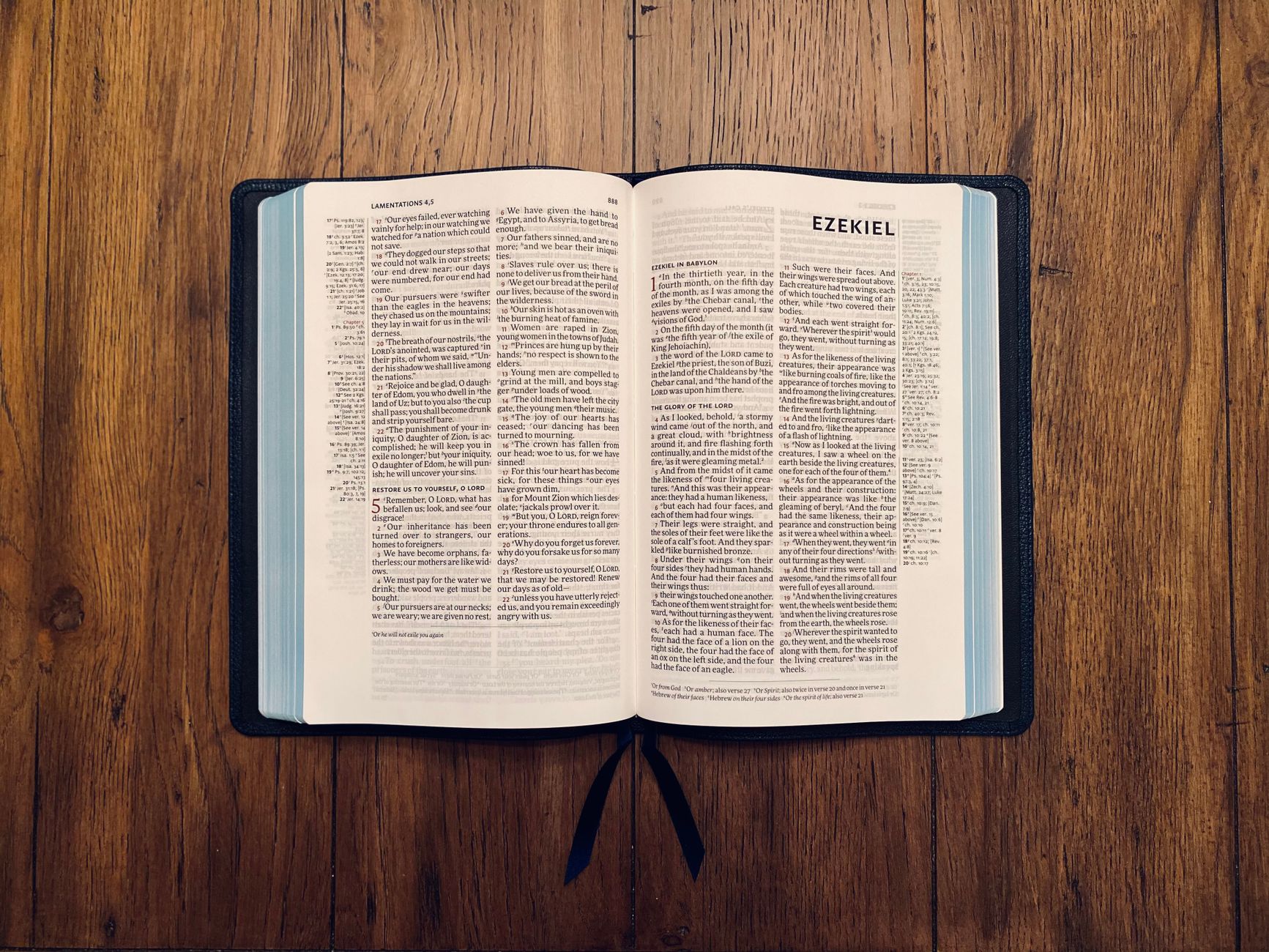
The topic of doubt is significant in many religious traditions, especially within Christianity, where it is often considered a test of faith. The Bible addresses doubt in various contexts, offering insights into human struggles, the nature of belief, and the character of God. Understanding what Scripture says about doubt can provide comfort and clarity for those grappling with uncertainty in their spiritual journey.
Doubt can manifest in many forms, from questioning one’s beliefs to struggling with the existence of God. Regardless of the intensity of these doubts, they are acknowledged within the Scriptures. Rather than dismissing these feelings, the Bible invites believers to bring their doubts to God, seek understanding, and experience spiritual growth.
What Does the Bible Say About Doubt?
The Bible contains numerous passages that address doubt directly, illustrating its presence among faithful figures and providing guidance on how to navigate it. Through various stories, teachings, and principles found in the Scriptures, one can see how doubt is a natural part of the spiritual experience.
Examples of Doubt in the Bible
- Thomas the Apostle: One of the most famous examples of doubt in the New Testament is Thomas, who struggled to believe in Jesus’ resurrection until he saw Christ’s wounds for himself. Jesus responded to Thomas’ doubt gently, inviting him to touch the scars, thus affirming the importance of faith alongside tangible evidence (John 20:24-29).
- Gideon: In the Old Testament, Gideon doubted God’s call to lead Israel against the Midianites. He asked God for signs to confirm His will, which God generously provided (Judges 6:36-40). This response indicates God’s understanding and patience with those who doubt.
- John the Baptist: Even John the Baptist experienced doubt when imprisoned. He sent messengers to Jesus to ask if He was indeed the awaited Messiah. Jesus responded by highlighting His miracles, reassuring John of His identity (Matthew 11:2-6).
Doubt as a Test of Faith
Doubt can serve as a powerful test of faith. The Bible suggests that struggles with doubt can lead to deeper understanding and stronger faith. James 1:2-4 encourages believers to consider it pure joy when facing trials, knowing that the testing of faith produces perseverance. This perspective invites believers to view doubt not as a weakness but as part of a nurturing spiritual process.
Additionally, doubt can push individuals toward spiritual growth. When confronted with questions, people are often compelled to seek answers through prayer, study, and community support. This journey may ultimately lead to a more profound faith rather than a decrease in it.
The Nature of God Amidst Doubt
The Bible teaches that God’s nature is loving, patient, and understanding. One key aspect of combating doubt is recognizing God’s character. Psalm 139 reminds believers that God knows them completely, including their doubts and struggles. This Psalm celebrates God’s omniscience and omnipresence, assuring us that we are never alone in our doubts.
In Matthew 14:31, Jesus reaches out to Peter, who began to doubt while walking on water, saying, “You of little faith, why did you doubt?” This interaction reveals that Jesus cares about Peter and wants to help him strengthen his faith. Such passages encourage individuals to trust that God is wholly present even when faith wavers.
The Role of Prayer in Addressing Doubt
Prayer is a fundamental element in navigating doubt. The Bible encourages believers to bring their doubts to God in prayer, allowing for honest communication about one’s fears and questions. Philippians 4:6-7 calls believers to present their requests to God. This act of surrendering doubt in prayer can often bring peace and clarity.
Engaging in prayer when faced with doubt not only provides a platform for seeking understanding but also fosters a closer relationship with God. Additionally, prayer can lead to seeking wisdom from Scripture, community support, and inspiration through the Holy Spirit, reinforcing faith against doubt.
Community and Doubt
Community plays a crucial role in addressing doubt. The Bible emphasizes the importance of fellowship among believers, where doubts can be voiced and support can be found. Hebrews 10:24-25 encourages believers to consider how to spur one another on toward love and good deeds, not giving up meeting together but encouraging one another.
Sharing doubts within a community can lead to collective growth. Engaging with others who may have faced similar uncertainties can provide comfort and insight. Such discussions often reinforce personal faith and open pathways for deeper exploration of spiritual beliefs.
Reflections on Doubt and Faith
Reflecting on doubt as a part of faith invites believers to embrace uncertainty as a journey. Doubt can lead to sincere searching, theological inquiry, and a more meaningful relationship with God. The following reflective questions can aid in understanding one’s doubts:
- What specific doubts am I experiencing in my faith?
- How do these doubts affect my relationship with God and with others?
- In what ways can I seek answers to my doubts through prayer and Scripture?
- How can sharing my doubts with trusted friends or leaders in my community provide support and insight?
The Transformative Power of Doubt
As believers embrace doubt, they may discover that it can lead to personal transformation. The challenges posed by uncertainty can drive individuals to deepen their faith practices, engage in active learning, and seek to understand God more profoundly.
Moreover, doubt can encourage a more empathetic view toward others who struggle with their faith. Understanding that doubt is a common experience can inspire believers to create environments where questions are welcomed and explored. This presence of grace within community life can build trust and foster spiritual growth.
Conclusion
The Bible offers a nuanced view of doubt, acknowledging its presence while encouraging believers to engage with their questions. Through prayer, community support, and honest reflection, doubt can serve not as a barrier but as a bridge to deeper faith and understanding.
In moments of doubt, consider reaching out for support. Engaging Scripture, praying, and discussing your feelings with trusted individuals can help transform uncertainty into opportunities for growth.
To explore further the themes of doubt, faith, and spiritual growth, readers may find related articles on prayer, community support, and the nature of God in difficult times enriching and helpful in their journey.