
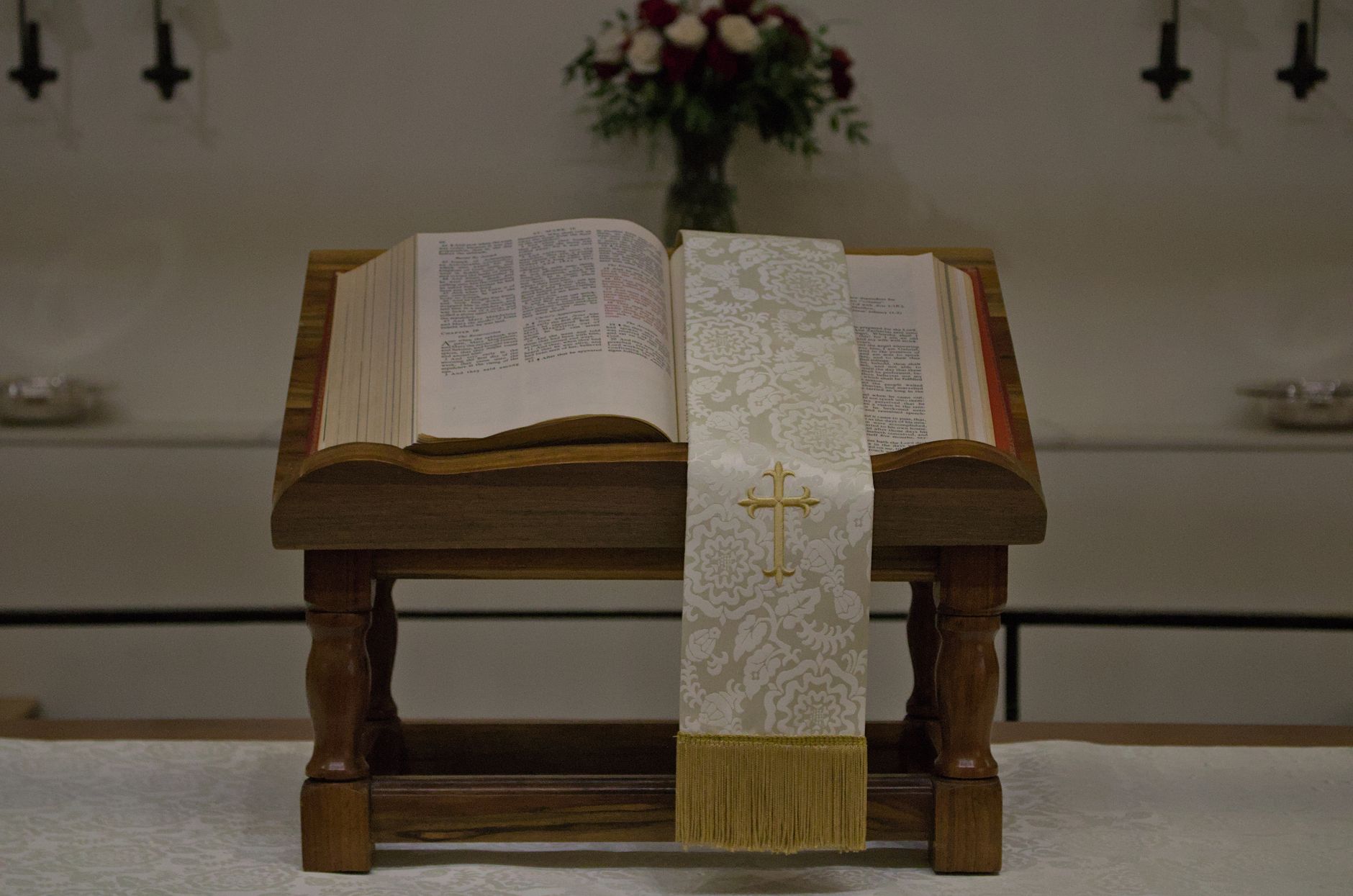
The role of the Bible in Catholicism is both foundational and multifaceted. While Catholics certainly do read and value the Bible, their relationship with it may differ from those of other Christian denominations. Central to understanding this distinction is how the Catholic Church approaches scripture within its unique faith and beliefs framework.
This exploration delves into various dimensions of how the Bible is used in Catholic practice, the scriptures’ interpretations, and their implications for spiritual growth. We will also examine the importance of tradition, the role of the Church, and how all these elements contribute to Catholic identity.
Do Catholics Read the Bible?
Yes, Catholics do read the Bible. The Catholic Church encourages scripture reading as essential to understanding faith. However, the approach involves integrating scripture with Sacred Tradition and the teachings of the Church, informing the believer’s practice and comprehension of faith.
The Importance of the Bible in Catholic Teaching
The Catholic Church holds that the Bible is the inspired Word of God. This perspective is affirmed in the Catechism of the Catholic Church, which encourages both private and communal reading of sacred texts. The Church regards the Bible as not just a literary work but a divine communication given to guide the faithful.
- Scripture as Divine Revelation: The Bible is seen as a testament of God’s relationship with humanity, conveying theological truths through historical narrative, poetry, and teachings.
- Liturgical Use: The Bible is central to Catholic worship. Readings from the Old and New Testaments are integral to the Mass, often forming the backbone of homilies delivered by priests.
- Spiritual Growth: Regular reading and reflection on scripture are encouraged for cultivating a deeper relationship with God and for individual spiritual development.
The Structure of the Catholic Bible
The Catholic Bible contains 73 books, incorporating several texts not found in the Protestant Bible. This includes the Deuterocanonical books, which are significant for understanding the fuller scope of theological themes in Catholicism.
Books Included in the Catholic Bible
| Book Type | Books Included |
|---|---|
| Old Testament | Genesis, Exodus, Leviticus, Numbers, Deuteronomy, Joshua, Judges, Ruth, 1 Samuel, 2 Samuel, 1 Kings, 2 Kings, 1 Chronicles, 2 Chronicles, Ezra, Nehemiah, Tobit, Judith, Esther, Job, Psalms, Proverbs, Ecclesiastes, Song of Solomon, Wisdom, Sirach, Isaiah, Jeremiah, Lamentations, Baruch, Ezekiel, Daniel, Hosea, Joel, Amos, Obadiah, Jonah, Micah, Nahum, Habakkuk, Zephaniah, Haggai, Zechariah, Malachi |
| New Testament | Matthew, Mark, Luke, John, Acts, Romans, 1 Corinthians, 2 Corinthians, Galatians, Ephesians, Philippians, Colossians, 1 Thessalonians, 2 Thessalonians, 1 Timothy, 2 Timothy, Titus, Philemon, Hebrews, James, 1 Peter, 2 Peter, 1 John, 2 John, 3 John, Jude, Revelation |
Reading the Bible in the Catholic Tradition
Reading the Bible isn’t solely an individual endeavor within Catholicism. The Church emphasizes understanding scripture in the context of tradition and the teachings of the Magisterium, which is the Church’s authoritative teaching body.
Guided Readings and Resources
The Church provides resources for scripture study, including:
- Lectionaries: These books contain the readings for Mass, arranged in a three-year cycle, allowing exposure to a vast array of scriptures.
- Catechism of the Catholic Church: This document provides context and interpretation to scripture passages aligned with Catholic doctrine.
- Bible Study Groups: Many parishes host groups where Catholics can come together to read and discuss scripture, fostering community and deeper understanding.
Understanding Scripture and Tradition
The Catholic understanding of scripture differs in crucial ways from that of many Protestant denominations, primarily due to the significance placed on Sacred Tradition. In Catholicism, Tradition is not merely the customs and practices passed down through the centuries; it is believed to be a living transmission of the Word of God.
Scripture and Tradition Intertwined
This relationship can be understood through the following points:
- Complementary Role: Catholics view scripture and tradition as complementary sources of divine revelation, each providing insight and understanding.
- Authority of the Church: The Church, guided by the Holy Spirit, plays a pivotal role in interpreting scripture. This contrasts with the “sola scriptura” principle found in many Protestant circles, which holds scripture as the sole authority.
- Preservation of Teachings: Tradition includes the teachings of the Church Fathers and Ecumenical Councils, contributing to the development of doctrine based on scriptural principles.
The Role of Scripture in Catholic Worship
The manner in which scripture is woven into the fabric of Catholic worship reflects its significance in fostering community and faith identity.
The Mass and Scripture
The central act of Catholic worship, the Mass, is replete with scriptural references. Typically, every Mass consists of:
- First Reading: Often from the Old Testament or Acts of the Apostles.
- Responsorial Psalm: A sung response that reflects themes from the first reading.
- Second Reading: Taken from the New Testament letters on certain days.
- Gospel Reading: This reading is from one of the four gospels and is regarded as the pinnacle of the liturgical proclamation.
Active Engagement with Scripture
Engaging with the Bible as a Catholic often involves a variety of approaches:
Reflection and Meditation
Contemplative practices such as Lectio Divina encourage a deeper engagement with scripture. This method encourages readers to meditate on passages contemplatively as a way to encounter God.
Prayer and Scripture
Many Catholics integrate scripture readings into their prayer life. This practice strengthens their spiritual connections and grounds their daily activities in faith. Common forms include:
- Scriptural Rosary: Each decade of the rosary focuses on a particular scripture passage or mystery, drawing deeper insight into the life of Christ.
- Daily Readings: The Church provides daily texts which many Catholics follow through various channels, fostering a habit of scripture engagement.
Challenges and Misunderstandings
Despite a commitment to reading and reflecting on the Bible, there are challenges faced by many Catholics:
Misconceptions about Scriptural Literacy
Some people believe that Catholics do not read the Bible or that they rely solely on Church teachings without personal engagement with scripture. This misconception often arises from the uniqueness with which Catholics approach scripture, primarily through the lens of tradition.
Access to Scripture
While the Catholic Church encourages reading the Bible, issues like uneven access to resources can hinder deeper engagement. Many parishes provide numerous resources, but individuals must take the initiative to seek them out.
Encouraging a Culture of Scripture Reading
To foster a deeper appreciation for the Bible within Catholic communities, various methods can be implemented:
Inspirational Programs
Encouraging Bible study programs in parishes that target a range of demographics—from children to adults—can strengthen communal ties and personal growth.
Utilizing Modern Technology
With the rise of digital platforms, creating apps or online resources that make reading the Bible more accessible can help overcome barriers, encouraging daily engagements.
The Impact of Scripture on Catholic Identity
The Bible informs Catholic identity deeply. It shapes beliefs, morals, and lifestyle choices, aiming for the ultimate goal of being in communion with God and each other.
Catholic Social Teachings
Scripture also informs social teachings within the tradition, influencing how Catholics interact with the world around them:
- Dignity of the Human Person: Rooted in biblical teaching, Catholics believe in the inherent dignity of every individual.
- Care for Creation: The responsibility for stewardship over the earth and the care of God’s creation is emphasized throughout scriptures.
- Solidarity and the Common Good: Community engagement and support for those marginalized or suffering resonate with scriptural principles.
A Call to Action
As Catholics, regularly reading and engaging with the Bible can lead to profound spiritual growth. It fosters a deeper understanding of faith and enriches both personal and communal life. To initiate this journey, consider starting with these practices:
- Select a manageable reading plan—set aside time each day for scripture reading.
- Join or create a Bible study group to discuss themes and reflections.
- Integrate prayer with your reading, asking for enlightenment and understanding.
Embrace both the beauty and challenge of scripture, allowing it to transform your faith life while contributing to the broader Catholic community. Each interaction with the Bible offers a chance to deepen one’s relationship with God and understand Him more fully.
For further exploration of related themes, consider looking into our articles on prayers for fasting or Bible verses about beer. Each resource can offer additional insights into the rich tapestry of faith and practice.