
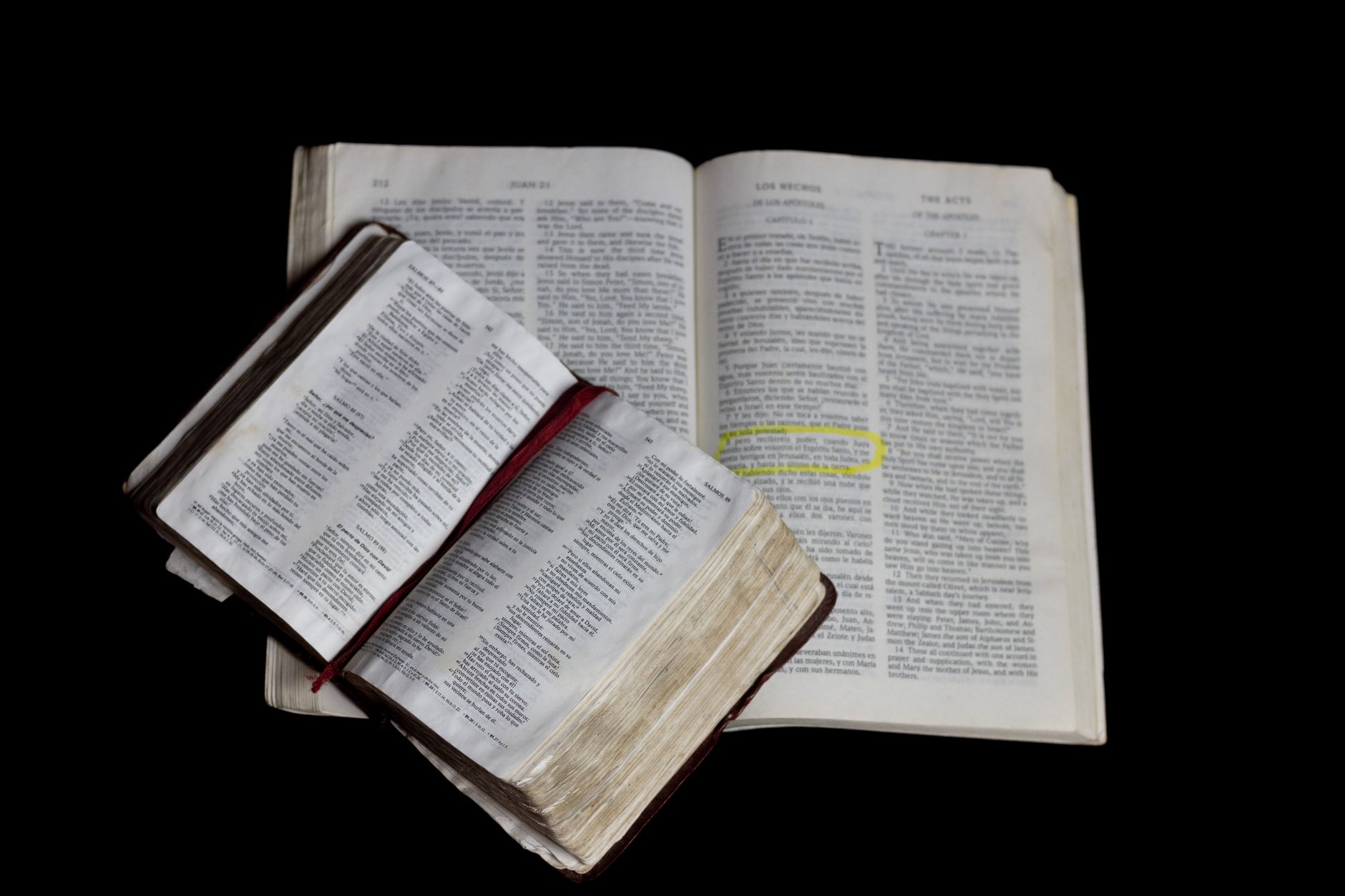
The question of how many pages are in the Bible may seem simple, but it offers a portal into the rich tapestry of religious thought and practice. Each page of the Bible carries profound significance for millions of reflective believers worldwide. Understanding this aspect can deepen our respect for the sacred text and its impact on spirituality.
In this article, we will not only uncover the total count of pages in the Bible, but we will also explore its significance in different faith traditions. We will delve into the structure, content, and variations of the Bible throughout history and contemporary practice, highlighting how this book forms the core of many believers’ lives.
How Many Pages Are in the Bible? A Detailed Count
The number of pages in the Bible varies depending on the version, translation, and format. Most commonly used versions, such as the King James Version (KJV) and the New International Version (NIV), typically have around 1,200 to 1,500 pages.
Factors influencing the page count include:
- Translation: Different translations have variations in length due to differences in language and syntax.
- Formatting: Page size, font size, and layout contribute to the total page count.
- Additional Material: Many Bibles include appendices, concordances, and commentaries that can add pages.
The Structure of the Bible
The Bible is divided into two main sections: the Old Testament and the New Testament, each containing various books that vary in length and content.
Old Testament
The Old Testament is foundational to both Christianity and Judaism, containing texts that detail the early history, laws, and teachings of the Jewish faith. Generally, it has around 39 books, depending on the tradition:
- Torah: The first five books, also known as the Pentateuch (Genesis, Exodus, Leviticus, Numbers, Deuteronomy).
- Historical Books: Narratives about the history of Israel (e.g., Joshua, Judges, Kings).
- Wisdom Literature: Reflective writings like Psalms and Proverbs.
- Prophets: Writings attributed to prophet figures (e.g., Isaiah, Jeremiah).
New Testament
The New Testament focuses on the life and teachings of Jesus and the early Christian Church, usually comprising 27 books. These include:
- The Gospels: Four narratives of Jesus’ life (Matthew, Mark, Luke, John).
- Acts of the Apostles: A historical account of the early church.
- Epistles: Letters written by apostles (e.g., Romans, Corinthians).
- Revelation: A prophetic text about the end times.
The Bible’s Influence on Spirituality and Faith
From its stories and teachings to its moral guidance, the Bible significantly shapes the beliefs and practices of millions. Each passage offers insights into human nature, ethical living, and the quest for spiritual understanding.
The Role of Scripture in Worship
In many religious traditions, the Bible is read aloud during worship services, reinforcing its importance as a communal text. This practice serves several purposes:
- Spiritual Nourishment: Listening to scripture is often regarded as a source of spiritual sustenance.
- Guidance: Many believers turn to specific texts for comfort and direction during challenging times.
Personal Reflection and Study
Many devotional practices incorporate Bible reading or meditation on specific passages. These practices encourage personal connection with the text and foster a deeper understanding of one’s faith. Common methods include:
- Lectio Divina: A traditional practice of slowly reading scripture, reflecting, responding, and resting in God’s presence.
- Bible Journaling: Recording thoughts, prayers, and reflections on scripture passages in a dedicated journal.
Different Versions and Their Impact
Several translations of the Bible exist, catering to various audiences, linguistic preferences, and theological perspectives. Some of the most prevalent include:
- King James Version (KJV): Esteemed for its poetic language, widely read since the early 17th century.
- New International Version (NIV): Popular for its contemporary language, making it accessible to modern readers.
- Revised Standard Version (RSV): A translation aimed at maintaining fidelity to original texts while being understandable.
- The Message (MSG): A thought-for-thought translation known for its conversational style.
The Historical Journey of the Bible
The Bible’s history is rich and complex, developing over centuries across various cultures and languages. Key moments include:
- Origin and Oral Tradition: Many biblical stories were initially passed down orally before being written.
- The Council of Nicea (325 CE): This meeting played a crucial role in deciding which books would be recognized as canonical.
- Printing Revolution: The Gutenberg Bible, printed in the 15th century, made the text widely available and transformed its accessibility.
Contemporary Relevance and Diverse Interpretations
Today, the Bible continues to be a source of inspiration, guidance, and debate within and beyond religious communities. Different interpretations coexist, reflecting the varied beliefs and contexts of readers. Some contemporary movements focus on:
- Historical-Critical Method: Analyzing the Bible through the lens of history, culture, and literary contexts.
- Liberation Theology: Emphasizing the Bible’s messages of justice, freedom, and social equity for marginalized communities.
The Bible in Personal and Communal Contexts
Understanding the Bible’s significance goes beyond merely counting its pages or examining its structure. It serves as a bridge between individual beliefs and communal practices, fostering deeper connections to faith and spirituality.
Strengthening Community Bonds
During times of crisis or celebration, scripture readings and discussions can strengthen communal bonds. These moments create shared experiences and foster a sense of belonging among believers.
Encouraging Moral Reflection
Engaging with biblical texts encourages individuals to reflect on their values and actions. This moral reflection can lead to greater ethical living and social responsibility.
Practical Exercises: Engaging with the Bible
If you’re interested in exploring the Bible’s teachings, consider incorporating the following practices:
- Daily Reading: Dedicate time each day to read a passage, allowing space for reflection and prayer.
- Join a Study Group: Participate in a community group focused on discussing and interpreting scripture together.
- Fasting and Prayer: Pair fasting with prayer and scripture study for spiritual growth and deeper insight.
Final Thoughts
The question of how many pages are in the Bible opens a doorway into the vast landscape of faith and spirituality. Each page is packed with history, wisdom, and insights that guide believers on their spiritual journeys. Whether you are reading for religious practice, personal reflection, or scholarly study, the Bible remains an essential and transformative text.
As we explore further, consider what the Bible means to you personally and how you can engage with its teachings in your daily life. Reflect on your beliefs and perhaps share them in a communal setting that encourages dialogue and understanding about the sacred text.
For those looking to deepen their understanding of faith and its intersection with daily living, explore related articles on Bible verses about food here and prayers for food here.