
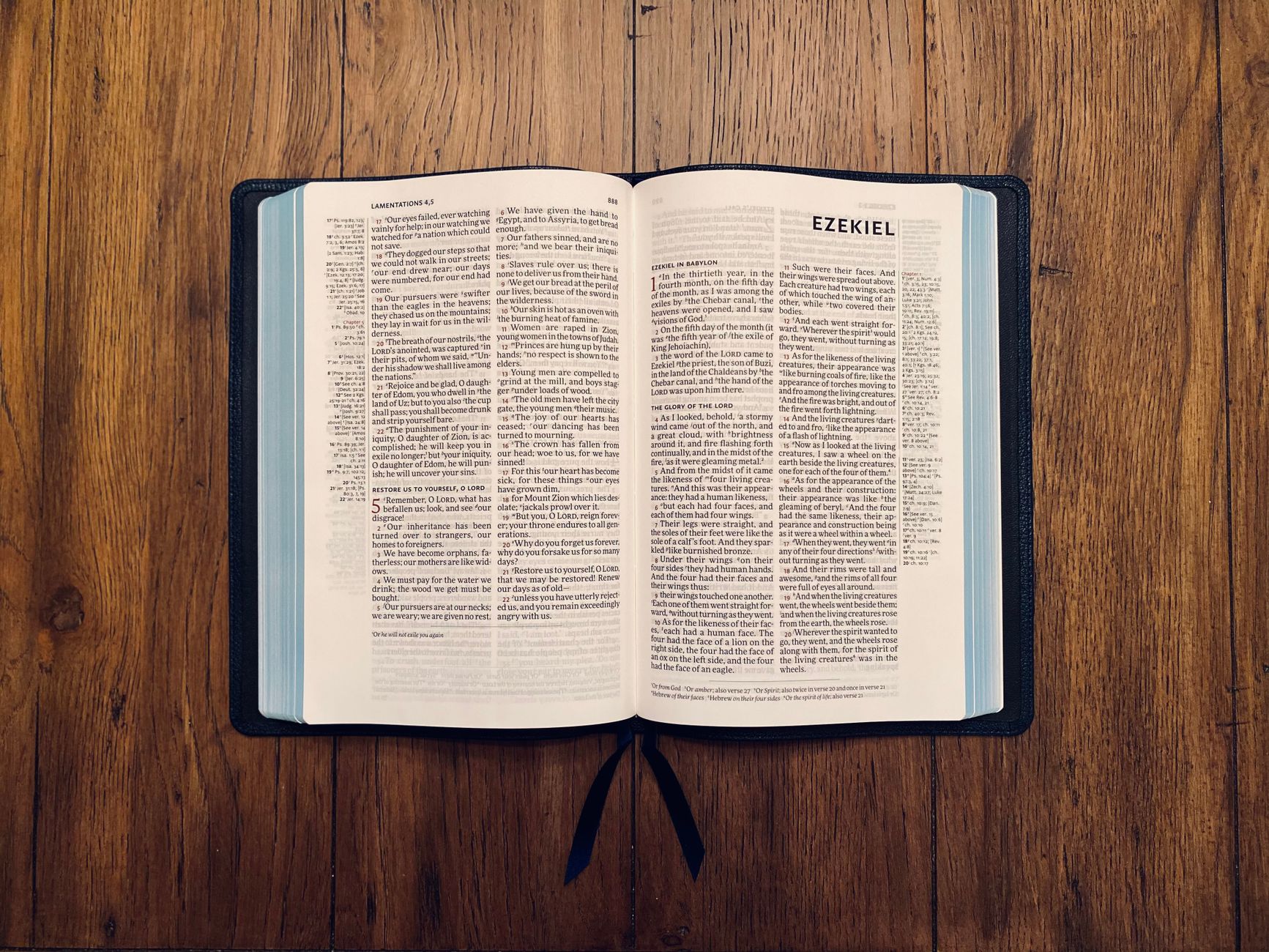
The question of whether the Bible is the Word of God is a deeply significant one for millions of people around the world. It touches on fundamental issues of faith, authority, and the nature of divine inspiration. For those engaged in Christianity, Jewish traditions, or religious scholarship, understanding the answer involves interpreting a variety of theological, historical, and cultural factors.
This article aims to explore the meaning of the Bible as the Word of God, looking at its various interpretations, implications, and the practices associated with it in different faith communities. We will examine how different denominations and traditions view the nature of the scriptures, their origins, and how they inform the beliefs and practices of their adherents.
Is the Bible the Word of God?
The question of whether the Bible is the Word of God can be approached from several angles. Generally, many Christians believe that the Bible contains the inspired words of God, while others may interpret it as a collection of significant texts written by humans who were influenced by divine revelation. The understanding of the Bible’s role varies widely across different denominations and faith traditions.
The Nature of Scripture
In understanding scripture, it is vital to consider what is meant by “inspiration.” The doctrine of inspiration holds that the authors of the Bible were guided by the Holy Spirit, ensuring that their writings convey God’s message. This belief leads to a range of interpretations about the extent of that guidance and what it means for the text itself.
Diverse Perspectives on Biblical Inspiration
- Literal Inspiration: Some traditions, particularly within more conservative denominations, believe in a form of verbal or plenary inspiration, where every word of the Bible is viewed as directly inspired by God.
- Dynamic Inspiration: Other groups hold to dynamic inspiration, suggesting that while the thoughts expressed are divinely inspired, the authors used their language and cultural context to convey those ideas.
- Critical Perspective: Academic scholars may approach the text with a critical lens, analyzing its historical and cultural contexts and understanding it as a human document reflecting the time it was written.
The Historical Context of the Bible
To grasp why people regard the Bible as the Word of God, one must look at its historical background. The Bible is composed of several books, many written over centuries across different cultures and locations. This complexity contributes to the varied interpretations of its significance.
Both the Old and New Testaments
The Christian Bible consists of the Old Testament, which is largely shared with the Hebrew Bible, and the New Testament, which chronicles the life and teachings of Jesus Christ and the early church. The Old Testament encompasses books of law, history, poetry, and prophecy, central to Jewish faith and tradition.
The New Testament, similar in structure, is composed of the Gospels, which tell the story of Jesus, letters from apostles, and Revelation. Each text contributes to the larger narrative of God’s relationship with humanity.
Historical Authorship
Understanding who wrote the texts and under what circumstances sheds light on their intended message. Many texts in the Old Testament, for example, may reflect the particular historical experiences of the Israelites, their struggles, and their covenant with God. Similarly, the New Testament writings reflect early Christian thought shaped by a rapidly diversifying community.
Theological Implications
Acceptance of the Bible as the Word of God carries various theological implications. Depending on the belief in its divine inspiration, adherents may base their morals, ethics, and understanding of salvation on the text. The belief can affect communal worship, personal prayer, and the development of theological doctrines.
Scripture as Authority
For many believers, the Bible serves as the ultimate authority in matters of faith and moral living. Theological disagreements often emerge from differing interpretations of scripture, leading to varying practices across denominations. For instance, some may emphasize literal interpretation, while others rely on a more metaphorical understanding.
Guidance and Inspiration
Beyond authority, many believers find in the Bible a source of comfort and direction. Verses are often used in personal prayer and as affirmations of faith, providing guidance in times of uncertainty or moral dilemmas. This can foster both a personal and communal sense of spiritual growth.
The Living Word of God
Many Christians refer to the Bible as the Living Word, suggesting that it remains relevant and active in believers’ lives today. This belief underscores the idea that the scriptures can speak to individuals across generations, offering insights and wisdom in changing contexts.
Interpretation in Community
Engaging with scripture often occurs in community settings, such as church services or study groups. Various interpretations, sometimes informed by teachers or leaders, help individuals understand the text’s meaning tailored to their lives. This shared exploration deepens the sense of belonging and community and enriches personal faith journeys.
Scripture in Practice
The use of scripture extends beyond philosophy and theology; it permeates rituals, worship, and personal practices. Here are some ways the scripture is practiced:
Worship and Ritual
- Sermons: Many churches incorporate scripture readings into sermons, drawing lessons and applications relevant to the congregation’s context.
- Liturgical Use: In many faith traditions, scriptures are woven into liturgical practices, including readings during services, prayers, and songs.
- Bible Study: Small group studies allow deeper examination of scripture, fostering discussion and different viewpoints.
Personal Reflection and Prayer
Individuals also engage with scripture through personal reading, meditation, and prayer. Many find comfort in memorizing verses or using them as part of their daily devotionals to nurture their faith.
Challenges and Controversies
Given the diverse interpretations and the vast historical context of the Bible, challenges arise. The varying views on biblical authority can lead to significant disagreements among Christian communities. Issues such as interpretation of laws, ethical teachings, and historical accounts are often points of contention.
Contemporary Issues
- Gender Roles: Interpretations regarding women’s roles in church and society can vary widely, influenced by different readings of scripture.
- Social Justice: Diverse theological perspectives on justice, mercy, and community well-being often arise, impacting how communities engage with social issues.
Interfaith Perspectives
Moreover, interfaith dialogues often bring about discussions on the role of scriptures in establishing common ground or highlighting differences. In various religions—such as Judaism, Islam, and others—scriptural texts hold similar importance, but their interpretations and implications can be vastly different.
The Living Tradition
For many, the belief in the Bible as the Word of God is closely linked to ongoing tradition. Tradition can shape how scripture is read and understood—whether literally or metaphorically—contributing to the lived experience of faith.
Tradition and Authority
In some communities, church authorities may play a pivotal role in interpreting scripture. For others, a more personal and decentralized approach encourages each individual to seek understanding. This interplay between tradition, authority, and individual reflection is dynamic and can lead to richer understandings or new interpretations over time.
Conclusion: Continuing the Conversation
In conclusion, the Bible’s status as the Word of God remains a complex and deeply personal question for many. It encompasses a rich tapestry of interpretations, historical contexts, and theological insights that continue to evolve. For each believer, the way they engage with the scripture may reflect their faith journey, traditions, and community practices.
As you ponder this topic, consider reflecting on your own relationship with sacred texts and how they influence your spiritual life. Whether through reading, contemplation, or discussion with others, deepening your understanding may lead to greater insights about faith and wisdom.
If you’re interested in exploring more about the relationship between spiritual practices and scriptures, check out our resources on prayers for fasting and Bible verses about food for the soul.