
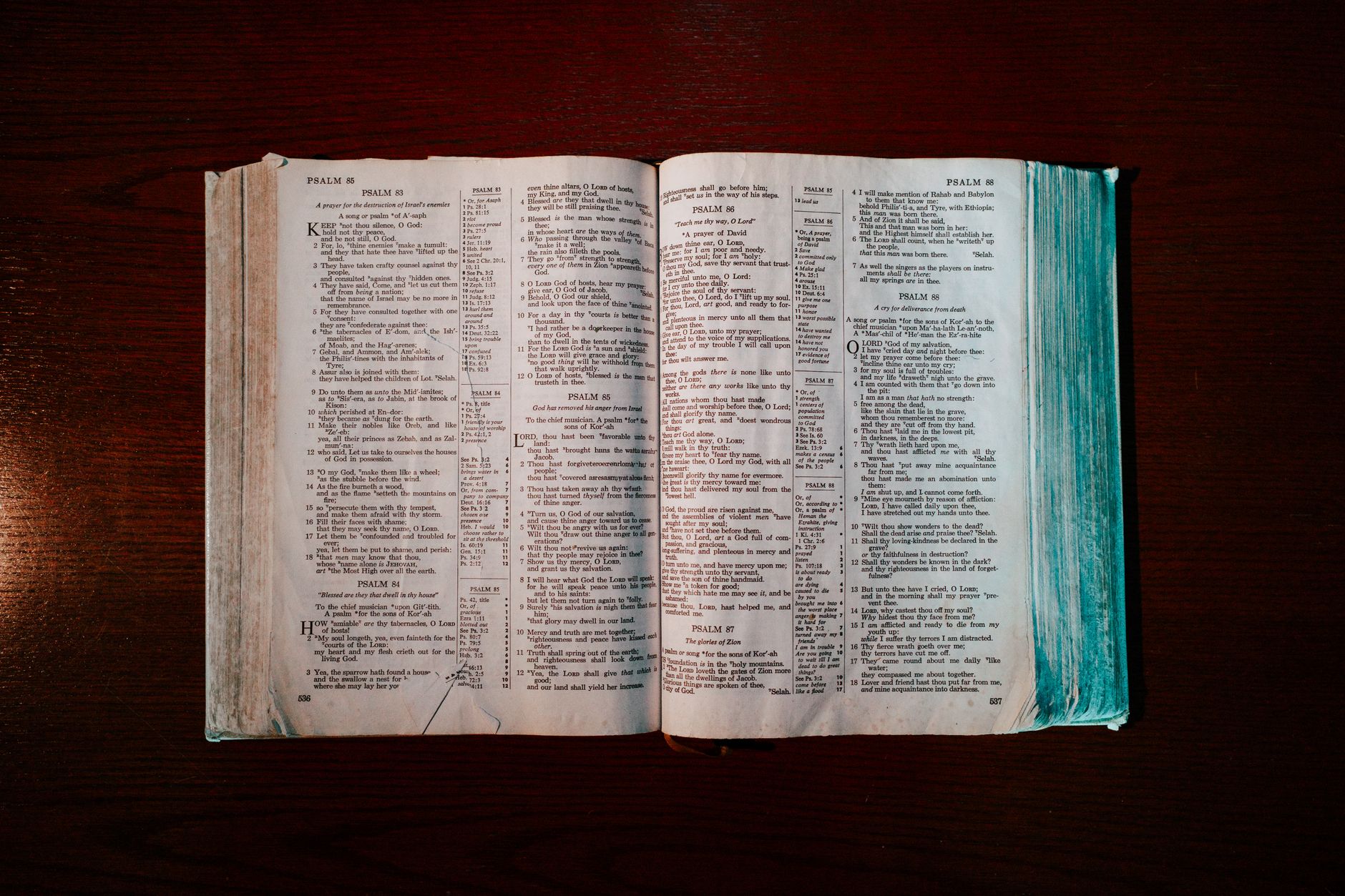
The phrase “long suffering” often appears in the context of religious discussions, particularly within the Bible. It encompasses the idea of patience and endurance through trials and adversities. This concept is central to understanding various biblical teachings and reflects a profound aspect of both divine nature and the human experience.
In this article, we will explore the meaning of long suffering as it is presented in the Bible, its significance within the Christian faith, its connection to various scriptures, and how it can be understood in today’s context. Additionally, we will examine practical ways to cultivate long suffering in our own lives.
What Does Long Suffering Mean in the Bible? (Explained)
Long suffering, generally understood as the ability to endure hardship and pain over a sustained period, is often associated with patience. In biblical terms, it represents a significant aspect of God’s character and the expected behavior of believers.
The term “long suffering” is derived from the Greek word “makrothumia,” which translates to “to be long-tempered” rather than “short-tempered.” It signifies the capacity to hold back anger and to tolerate difficult situations or people without losing faith or resorting to immediate retaliation.
Long Suffering in the Old Testament
In the Old Testament, long suffering is heavily associated with God’s relationship with humanity, particularly in how God shows patience toward Israel despite their repeated disobedience. Several passages emphasize this attribute.
- Exodus 34:6-7: This passage describes God as “slow to anger, and abundant in loving-kindness and truth.” It sets the foundation for understanding God’s patience in the face of human failure.
- Numbers 14:18: Here, God acknowledges that He is “slow to anger and abundant in mercy.” This reference not only highlights God’s long suffering but also reinforces His desire for His people to seek repentance rather than destruction.
- Psalms 86:15: This verse enriches the understanding of God’s character by stating, “But You, O Lord, are a God full of compassion, and gracious, longsuffering and abundant in mercy and truth.”
The New Testament Perspective
The New Testament carries forward the theme of long suffering, emphasizing its relevance in the lives of believers, as modeled by Jesus Christ. This section clarifies how long suffering manifests in the teachings of Jesus and the apostles.
- Galatians 5:22-23: Paul lists long suffering as one of the fruits of the Spirit, indicating that it is a characteristic that believers should exhibit as a part of their spiritual growth and maturity.
- James 5:7-8: James advises believers to be patient until the coming of the Lord, urging them to cultivate long suffering in anticipation of divine justice and fulfillment of promises.
- 1 Peter 3:20: This verse references God’s long suffering during Noah’s time, illustrating how God’s patience provides an opportunity for repentance even while facing impending judgment.
The Significance of Long Suffering in Christian Life
Understanding long suffering within a Christian context extends beyond theoretical knowledge; it significantly influences how believers approach life and relationships.
1. Reflecting God’s Character
Believers are encouraged to emulate God’s long-suffering nature. By practicing patience in the face of adversity or wrongdoing, Christians bear witness to God’s grace and mercy.
2. Strengthening Community
Long suffering fosters unity and understanding within communities. By extending grace to one another, church members can maintain harmony, even when conflicts arise.
3. Encouragement in Trials
When believers face hardships or injustices, the practice of long suffering serves as a source of hope. It allows them to maintain their faith and assurance that God is ultimately in control.
Practical Steps to Cultivate Long Suffering
Cultivating long suffering is not necessarily intuitive; it requires intentional practice. Here are practical steps that may assist in developing this virtue:
- Engage in Prayer: Regular communication with God through prayer can help foster a patient spirit and reliance on divine strength.
- Reflect on Scripture: Meditating on verses that emphasize God’s patience can inspire and encourage believers in developing their capacity for long suffering.
- Practice Forgiveness: Letting go of past grievances and extending forgiveness helps to alleviate bitterness and resentment.
- Embrace Suffering: Instead of avoiding or denying suffering, understanding its purpose can help believers to endure hardship constructively.
- Seek Community Support: Engaging with a supportive Christian community can provide encouragement and cultural context for practicing long suffering.
Long Suffering as a Way of Life
Long suffering is not limited to moments of crisis; it should permeate the daily lives of believers. It is an intentional lifestyle choice, leading to a deep-rooted faith and resilience amidst adversity.
In various passages, believers are reminded that endurance brings growth. Romans 5:3-5 illustrates this by connecting suffering, perseverance, character, and hope—each essential in developing christlike character.
Enduring Difficult Relationships
One of the most challenging areas to practice long suffering is in personal relationships. Difficulties in family, friendships, or work can provide fertile ground for cultivating patience.
- Understanding Others: Attempt to see situations from others’ perspectives can foster empathy and patience.
- Responding Rather Than Reacting: Take a moment to breathe and think before responding to provocation or conflict, allowing the spirit of patience to prevail.
Long Suffering in Prayer and Spiritual Growth
Prayer is a significant avenue for developing any spiritual virtue, including long suffering. Through prayer, believers can express their struggles, seek divine assistance, and cultivate a heart attuned to patience.
Practices in prayer may include:
- Thanksgiving: Expressing gratitude amid trials reinforces a positive perspective and encourages patience.
- Listening: Engaging in moments of silence allows space for God’s wisdom, showing respite amid difficult emotions.
Long Suffering in the Context of Current Events
In a world that often prioritizes quick solutions, the call to long suffering may seem counterintuitive. However, societal issues such as social injustice or systemic inequality may require a patient, long-term approach.
Believers are reminded of the significance of speaking out with both justice and grace, embodying long suffering as they advocate for change. Their endurance through challenges can inspire action rooted in Christ’s teachings of love and patience.
Conclusion
Long suffering is an essential Christian virtue woven throughout the Bible. It is an expression of God’s nature that believers are encouraged to emulate in their lives. Practicing long suffering cultivates patience, fosters unity in communities, and encourages one another in trials.
As you consider your own life, reflect on the areas where you can embody long suffering more fully. Perhaps you might commit to a regular prayer practice focused specifically on patience, or you might reach out to someone with whom you’ve had a challenging relationship.
Explore the deeper meanings of faith and community through scripture and your personal prayer life. Understanding and living out the concept of long suffering can transform the way you navigate life’s difficulties and enrich your spiritual journey.
For more insights on faith and spirituality, consider exploring our articles on Bible Verses About Food and Prayers for Food.