
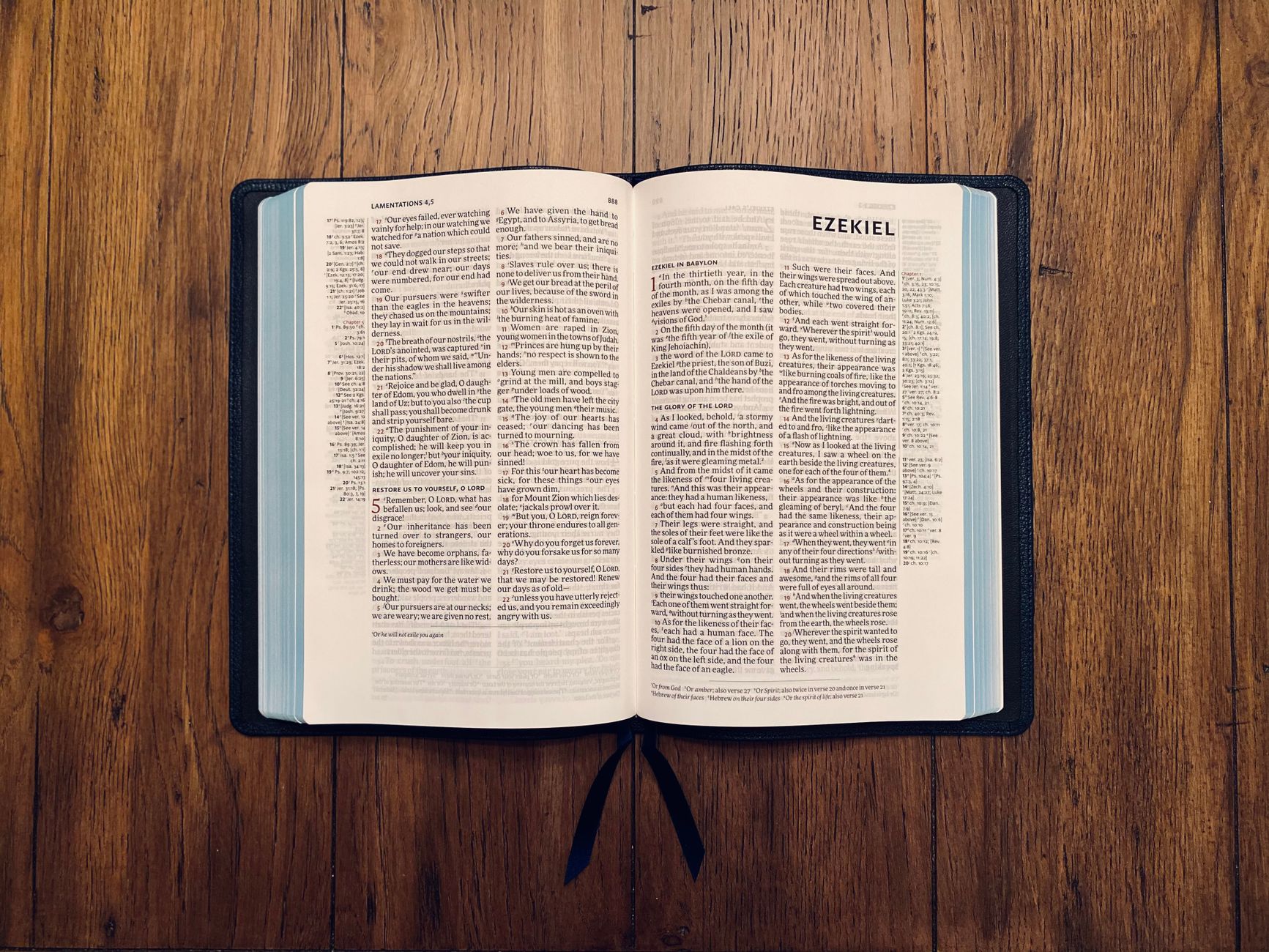
The question of what the devil looks like according to the Bible is one that has intrigued many throughout history. This exploration delves into various biblical depictions, interpretations, and cultural perceptions of the devil. Each aspect reflects deeper themes of morality, spiritual struggle, and the nature of evil.
Understanding the appearance of the devil in biblical texts involves a nuanced examination of scripture, historical context, and theological interpretations. The descriptions and symbols attributed to the devil serve not only to characterize evil but also to convey moral teachings about temptation and the human condition.
What Does the Devil Look Like According to the Bible?
The Bible presents a complex picture of the devil, using various symbols and imagery to convey his nature. While specific physical descriptors are sparse, the devil is often portrayed figuratively, embodying traits that reflect opposition to God and righteousness.
Scriptural References and Imagery
Key biblical passages provide insight into the devil’s nature and representation:
- The Serpent in Genesis: In the book of Genesis, the serpent is described as “more cunning than any beast of the field” (Genesis 3:1, NKJV). This representation emphasizes deception and the ability to lead humanity astray from God’s command.
- Isaiah’s Depiction: Isaiah 14:12-15 refers to the figure of “Lucifer,” a name that means “light bearer.” This passage has traditionally been interpreted as describing the fall of the morning star, symbolizing pride and rebellion against God.
- Revelation’s Dragon: In Revelation 12:9, the devil is referred to as “that serpent of old, called the Devil and Satan, who deceives the whole world.” This description highlights his deceitful character and association with chaos.
- 1 Peter 5:8: This verse describes the devil as a “roaring lion” seeking someone to devour. This imagery evokes fear and the danger of spiritual complacency.
Theological Interpretations
Throughout Christian history, theologians have examined the nature of the devil with varying emphases. Some key interpretations include:
- Metaphorical Representation: Many theologians argue that biblical representations of the devil are more metaphorical than literal. They highlight that the devil symbolizes humanity’s internal struggles with sin, temptation, and the pursuit of righteousness.
- Embodiment of Evil: Others view the devil as a true personification of evil, existing as a force that actively opposes God and seeks to undermine human spirituality and morality.
- Role in Spiritual Warfare: The devil is often discussed in the context of spiritual warfare, where believers are called to resist temptation and stand firm in their faith. This framework emphasizes vigilance and moral integrity.
Symbolism in the Devil’s Imagery
The imagery associated with the devil transcends physical appearance and taps into broader symbolic meanings central to Christian teachings. Various symbols have been adopted over centuries, shaping the cultural understanding of the devil:
Common Symbols of the Devil
- Fire: Often associated with hell, fire symbolizes punishment and purification. The devil is depicted in contexts where fire represents torment.
- Animals: Aside from the serpent, the devil has been represented by various animals, such as goats and bats. These choices often connect to themes of uncleanliness and danger.
- Darkness: In Christian theology, darkness symbolizes sin and separation from God. The devil is frequently associated with spiritual darkness, contrasting with the light of God.
- Wings: Sometimes depicted with wings, these images suggest a deceptive beauty or the ability to traverse spiritual realms, further complicating the portrayal of the devil.
Cultural Representations of the Devil
The portrayal of the devil has evolved beyond scripture into popular culture. Various artistic and literary interpretations have shaped public perception, including:
- Literature: Works such as Dante’s “Inferno” and Milton’s “Paradise Lost” explore the devil’s character and motivations, often presenting him as a tragic figure.
- Visual Art: Artists have depicted the devil in various forms and styles, from grotesque representations to alluring figures, reflecting societal fears and moral interpretations.
- Film and Media: Modern films and television shows continue to explore the concept of evil, presenting the devil in diverse ways that engage with contemporary issues of morality and ethics.
The Role of the Devil in Christianity
Beyond physical representations, the devil serves a crucial role in Christian theology, influencing key concepts such as sin, free will, and redemption. Understanding his role helps illuminate deeper spiritual principles:
Temptation and Sin
The devil is often seen as the ultimate tempter, leading individuals into sin. This portrayal raises important questions about free will and human choices:
- Free Will: The acknowledgment of the devil’s influence underscores the importance of personal accountability. Believers are called to exercise their free will to resist temptation and choose righteousness.
- The Nature of Sin: The temptations of the devil illustrate the struggle against sin, serving as reminders of humanity’s fallen nature and the need for divine grace.
Spiritual Growth and Resistance
Engaging with the concept of the devil can also foster spiritual growth. This engagement encourages believers to develop their faith and resilience:
- Prayer and Meditation: Many traditions emphasize the importance of prayer as a means of seeking strength and guidance to resist temptation. Meditative practices can serve as tools for introspection and spiritual fortitude.
- Community Support: The role of the church community is vital. Believers often find strength in fellowship, accountability, and mutual encouragement in their spiritual journeys.
Reflection: Understanding the Nature of Evil
Contemplating the nature of the devil invites deeper reflections on moral choices and the human experience of evil. Some questions to consider include:
- What does the concept of the devil reveal about the struggles of human nature?
- How can understanding evil help us in our daily moral choices?
- In what ways do cultural representations of the devil influence our perceptions of good and evil?
Conclusion
The devil’s portrayal in the Bible serves as a multifaceted exploration of evil, temptation, and the spiritual journey of believers. While the depictions vary, they collectively underscore essential truths about human nature and the ongoing struggle between good and evil. Fostering awareness of the devil’s nature can inspire vigilance and spiritual growth, encouraging individuals to embrace their faith in resisting temptation.
As you continue to explore these themes, consider engaging with your community or reading relevant scripture to deepen your understanding. Reflection on your spiritual journey can also be enriched by discussing these insights with friends or family.
To expand your knowledge further, you may find interest in related topics such as Bible Verses About Eating Together and Prayers for Family Healing.