
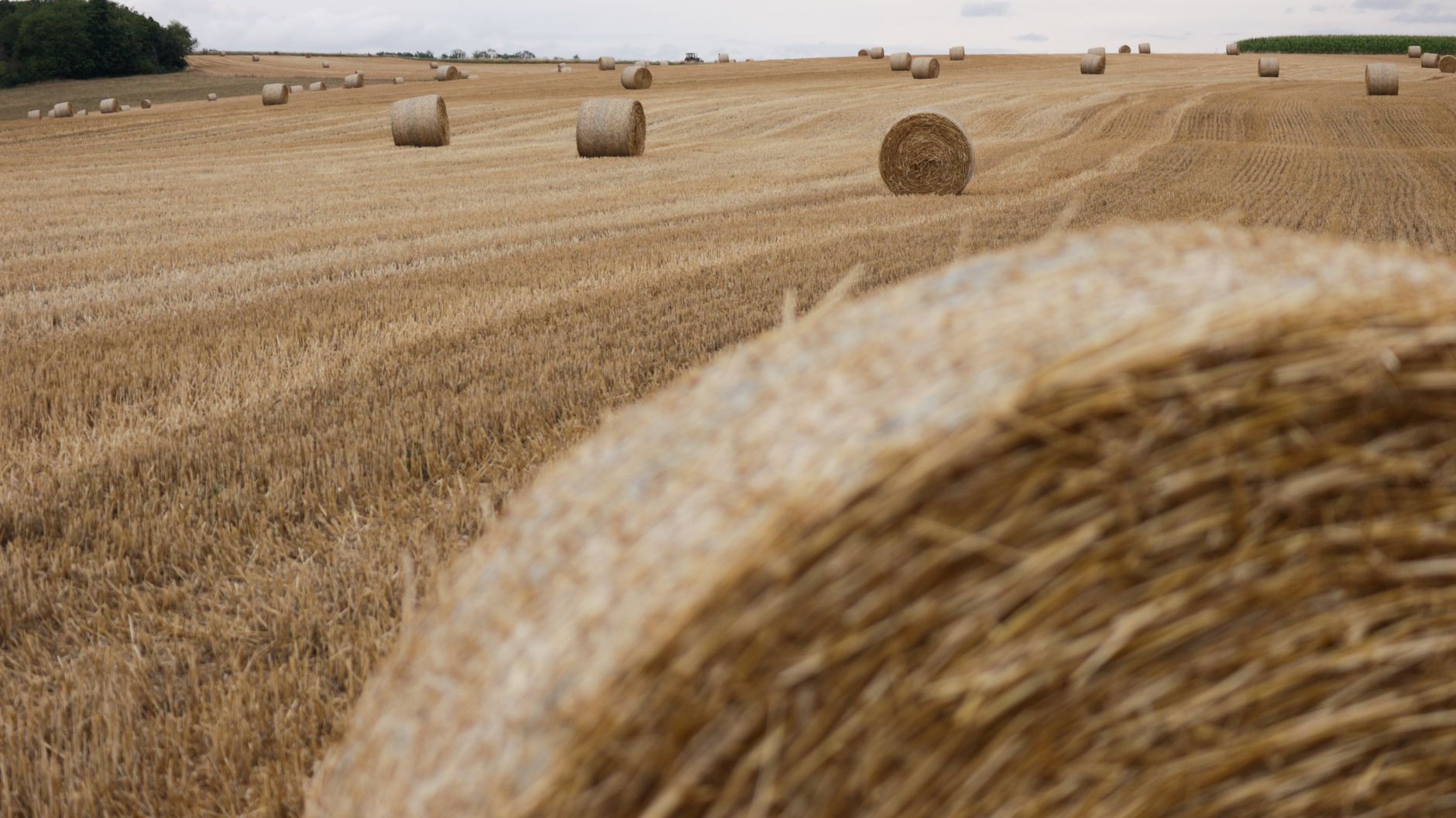
Understanding the biblical references to sheaves can enrich one’s interpretation of scriptural texts and illuminate themes of harvest, abundance, and community. In the Bible, sheaves symbolize not only the physical goods of crops but also broader spiritual principles that can guide daily living and faith practices.
Sheaves appear in various contexts throughout scripture, each highlighting different dimensions of faith, fulfillment, and divine provision. In this article, we will explore what sheaves represent in the Bible, how they are used in different scriptural passages, and their significance in spiritual life.
What Are Sheaves in the Bible?
Sheaves refer to bundles of stalks of grain or grass that are tied together for ease of storage or transport. In biblical times, agriculture played a crucial role in the economy and daily life of people. As such, the harvest of grain was a moment of great significance, representing not just the fruits of labor, but also divine blessing and sustenance. The act of gathering sheaves symbolizes the reaping of blessings that come from God.
Sheaves in Scripture
References to sheaves can be found in several passages throughout the Bible. Each instance often conveys deeper meanings and applications for faith and practice.
1. Joseph’s Dream
One of the most notable references to sheaves occurs in the story of Joseph in Genesis. In Genesis 37:5-7 (NIV), Joseph shares a dream with his brothers:
“Joseph had a dream, and when he told it to his brothers, they hated him all the more. He said to them, ‘Listen to this dream I had: We were binding sheaves of grain out in the field when suddenly my sheaf rose and stood upright, while your sheaves gathered around mine and bowed down to it.’
This dream serves as a foreshadowing of Joseph’s future leadership in Egypt and the eventual bowing down of his brothers during a time of famine. It illustrates the theme of divine favor as well as interpersonal dynamics and conflicts within families.
2. Ruth’s Harvest
The Book of Ruth provides another example of sheaves in a different context. Ruth, a Moabite woman, gleaned in the fields of Boaz, gathering leftover grain during the harvest. In Ruth 2:7 (NIV), it is said:
“She said, ‘Please let me glean and gather among the sheaves behind the harvesters.’ She went into the field and worked steadily from morning till now, except for a short rest in the shelter.’
In this context, sheaves signify not only sustenance but also the grace and provision of community. Ruth’s determination to glean from the sheaves demonstrates her resilience and commitment, and the way in which providence is often inclusive, extending blessings even to outsiders.
3. A Metaphor for Spiritual Reality
In a more metaphorical sense, sheaves can symbolize the produce of spiritual life. Galatians 6:7-9 (NIV) states:
“Do not be deceived: God cannot be mocked. A man reaps what he sows. Whoever sows to please their flesh, from the flesh will reap destruction; whoever sows to please the Spirit, from the Spirit will reap eternal life. Let us not become weary in doing good, for at the proper time we will reap a harvest if we do not give up.”
Here, the metaphor of sowing and reaping can be likened to gathering spiritual sheaves. The way we choose to live and the actions we take can produce an abundant harvest of grace, kindness, and spiritual maturity in our lives and the lives of others.
The Symbolism of Sheaves
Beyond their literal meaning, sheaves carry rich symbolic value in biblical thought. They evoke themes of abundance, gratitude, and divine provision. Below are key symbolic interpretations of sheaves from the biblical perspective:
- Harvest and Abundance: In agricultural contexts, sheaves represent the harvest—an important time symbolizing abundance and God’s provision. This reflects a spiritual truth that when we put in good work, we will receive good rewards.
- Community and Support: Gathering sheaves illustrates the importance of community cooperation in reaping blessings. The biblical practice of gleaning demonstrates that blessings are best enjoyed in a supportive community.
- Hope and Promises: Sheaves can symbolize hope as they symbolize God’s promises of provision and the fulfillment of His word. Just as grain is gathered for sustenance, so too, faith brings forth spiritual sustenance.
- Joy and Gratitude: The act of gathering sheaves can remind individuals of the joy found in gratitude. Recognizing the bounty of life can enhance spiritual practice and lead to deeper faith.
Practical Reflection on Sheaves
Incorporating the theme of sheaves into daily life can encourage a deeper appreciation for blessings and inspire gratitude. Here are some practical reflections for considering sheaves in your spiritual journey:
- Gratitude Journaling: Begin keeping a gratitude journal where you list the “sheaves” in your life—things you are thankful for. This practice can cultivate a habit of reckoning with the blessings you experience.
- Engage in Community Service: Participate in community service activities that help in “gathering sheaves” for those in need. Acts of kindness create and extend blessings to others.
- Harvest Festivals: If you belong to a faith community that celebrates harvests, participate in these festivals with an attitude of inclusiveness and gratitude for the bounty provided throughout the year.
- Scriptural Meditation: Select a passage that refers to sheaves or harvest and meditate on its implications in your life. Consider the call to abundance and the responsibilities that come with blessings.
Celebrating the Harvest: Festivals and Rituals
Throughout various cultures and traditions, the concept of harvest is celebrated through festivals and rituals that reflect the spiritual significance of sheaves. Many of these celebrations center around gratitude for the earth’s bounty and are essential for fostering community bonds.
1. Pentecost and the Feast of Weeks
In Jewish tradition, the Feast of Weeks (Shavuot) is celebrated as a harvest festival that takes place seven weeks after Passover. During this time, first fruits, including the first sheaf of the wheat harvest, were offered at the Temple as an expression of gratitude. This festival emphasizes the giving of the Torah as well as the acknowledgment of God’s provision, symbolized by the gathering of sheaves.
2. Christian Harvest Festivals
Many Christian communities celebrate harvest festivals or Thanksgiving services during the fall, focused on giving thanks for the abundance of crops. These events often include sharing food, fellowship, and community prayers, acknowledging sheaves as indicative of both physical and spiritual nourishment.
3. Indigenous Practices
Indigenous cultures around the world often hold harvest ceremonies that are deeply rooted in their spiritual beliefs. These rituals may include offerings, prayers to deities, or spirits, and community gatherings to celebrate the bounty while honoring the earth’s sacrifices.
The Role of Sheaves in Modern Spiritual Life
In contemporary spiritual life, the significance of sheaves continues. They encourage individuals to foster a mindset of gratitude and awareness of the interconnectedness of community. Here are ways modern believers can keep sheaves at the forefront:
- Mindfulness Practices: Implement mindfulness practices that encourage awareness of daily blessings. This can help acknowledge the “sheaves” that are present in life.
- Sowing Seeds of Kindness: Just as one sows seeds for a harvest, actively look for ways to sow kindness and compassion, reaping the spiritual bounty of relationships and community growth.
- Reflect on Spiritual Growth: Like gathering sheaves, reflect on personal spiritual growth and the fruits of your labor in faith. Recognition of progress strengthens commitment to spiritual practices.
The Challenge of Sheaves
While gathering sheaves can symbolize blessings and abundance, it can also bring to light the challenges of life. Here are some questions to consider when reflecting on sheaves:
- What obstacles hinder you from recognizing the blessings or ‘sheaves’ in your life?
- How do challenges influence the way you gather blessings? Do they lead to spiritual growth or feelings of discouragement?
- Are there “sheaves” left behind in relationships or work that you need to address or reclaim?
Conclusion
The concept of sheaves in the Bible offers a rich tapestry of meanings and implications for spiritual life. By understanding the agricultural symbolism and its deeper meanings, individuals can cultivate a life of gratitude, community engagement, and awareness of divine provision. Reflecting on the themes of harvest and abundance can inspire deeper connections with both God and one another, nurturing a cycle of blessings in daily life.
To engage further with the topic of food and nourishment in the spiritual context, explore scripture and prayers surrounding food at Bible Verses About Food and Prayers for Food. These resources can foster an appreciation for the blessings we receive through the provision of food and sustenance.