
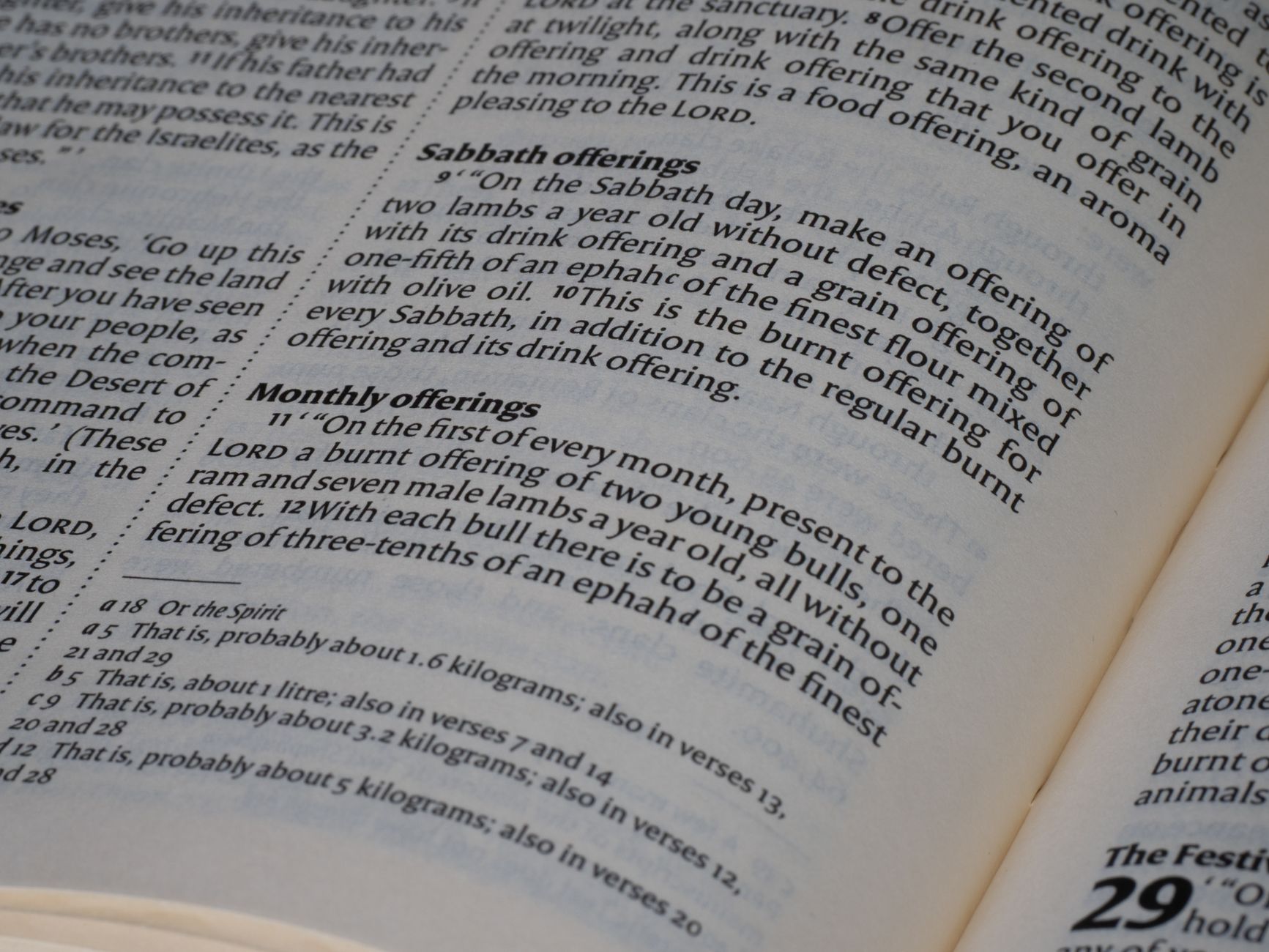
The Sabbath is a sacred day of rest observed by Jews and Christians, enshrined in biblical texts and teachings. Its significance varies across traditions and interpretations, influencing the spiritual lives of millions. Understanding what the Bible says about the Sabbath can deepen one’s faith and connection to God.
This article provides an overview of the biblical basis for the Sabbath, its interpretation across different traditions, its implications for modern believers, and personal reflections that can enhance spiritual growth. By exploring these elements, we aspire to provide a comprehensive understanding of this important aspect of faith.
What Does the Bible Say About the Sabbath?
The concept of the Sabbath is rooted in the Bible, primarily in the Old Testament, where it is described as a day of rest observed by God after creation. This day is not just a day off from work; it holds profound spiritual significance and is marked by covenantal promises and ethical imperatives.
Creation and the Sabbath
The origin of the Sabbath is found in the book of Genesis. According to Genesis 2:2-3 (NIV), “By the seventh day God had finished the work he had been doing; so on the seventh day he rested from all his work. Then God blessed the seventh day and made it holy, because on it he rested from all the work of creating that he had done.” This indicates that rest is integral to the divine order.
The Sabbath thus originates from the very act of creation, where God sets a precedent for humanity. This model underscores the importance of rest in the spiritual, physical, and social fabric of life.
The Fourth Commandment
The command to observe the Sabbath is explicitly stated in the Ten Commandments, found in Exodus 20:8-11 (NIV): “Remember the Sabbath day by keeping it holy. Six days you shall labor and do all your work, but the seventh day is a Sabbath to the Lord your God.” In these verses, the Sabbath is not presented merely as a personal day of rest; it is a command to be observed in reverence to God.
This commandment emphasizes the need for rest and reflection, following six days of labor. The act of keeping the Sabbath holy involves refraining from work and dedicating the day to spiritual pursuits, family, and community.
The Sabbath in Jewish Tradition
In Jewish tradition, the Sabbath (Shabbat) is observed from Friday evening until Saturday evening. It is a time for families to come together, reflect, and engage in prayer. The rituals include lighting candles, sharing meals, and discussing Torah. Observing the Sabbath is considered a binding and significant commandment, one that forms a core part of Jewish identity.
In Jewish thought, the Sabbath is seen as a taste of the World to Come—an anticipation of a pure spiritual existence that transcends the routine of daily life.
The Sabbath in Christian Tradition
Christian views of the Sabbath vary widely. While early Christians followed the Jewish tradition of observing the Sabbath on Saturday, many shifted the observance to Sunday in honor of Jesus’ resurrection. This change is noted in Acts 20:7, which states that the disciples gathered to break bread on the first day of the week.
Some Christian denominations view Sunday as the “Lord’s Day,” a day to worship, rest, and reflect. The Sabbath’s theological implications advance the understanding of grace and redemption with Jesus, who proclaimed in Mark 2:27, “The Sabbath was made for man, not man for the Sabbath.” This verse signifies the Sabbath as a gift from God to humanity, intended for their well-being.
Different Interpretations of Sabbath Observance
Across the spectrum of Jewish and Christian practices, the interpretation of Sabbath observance varies widely.
- Orthodox Judaism: Adheres strictly to the laws of the Sabbath, forbidding work and engaging deeply in prayer and study.
- Reform Judaism: Often emphasizes the spirit of the Sabbath rather than strict adherence to traditional laws, offering a more individualistic approach.
- Catholicism: Encourages attending Mass on Sundays, focusing on communal worship and the Eucharist as core elements of keeping the Lord’s Day holy.
- Protestantism: Diverse approaches exist; some congregations emphasize rest and reflection, while others advocate for active ministries, serving the community on Sundays.
Ultimately, the nature of Sabbath observance reflects broader theological understandings and communal practices that shape the beliefs and lives of adherents.
The Practical Implications of the Sabbath
The Sabbath carries with it not only theological significance but practical implications for daily life. Keeping the Sabbath helps individuals reconnect with their faith, family, and community, fostering a sense of spiritual renewal.
Rest and Reflection
In an increasingly busy world, the Sabbath serves as a reminder to embrace rest. Ignoring the need for rest can lead to spiritual burnout and disconnection from God. Setting aside a designated time for reflection allows one to contemplate personal life, seek divine guidance through prayer, and engage in Scripture study.
Community and Family Time
The Sabbath emphasizes the importance of community and family. Gathering with loved ones for meals or communal worship can strengthen relationships and offers opportunities to bond spiritually. Families may observe traditions together, share stories, and discuss spiritual insights, reinforcing bonds and shared beliefs.
Moral and Ethical Considerations
Keeping the Sabbath provides believers with moral clarity and ethical grounding. By adhering to the principles of the Sabbath, individuals cultivate a lifestyle that prioritizes relationships, values rest, and respects the sanctity of life. This observance translates into how one treats others throughout the week, fostering compassion and consideration.
Personal Spiritual Growth
Observing the Sabbath encourages introspection and spiritual growth. Setting aside time for silence, contemplation, and prayer allows for deeper reflection on one’s spiritual life. In this sacred space, individuals can seek healing, clarity, and guidance. The practice of rest on the Sabbath also serves as an acknowledgment of the divine, a reminder of God’s sovereignty over earthly concerns.
The Challenges of Observing the Sabbath
Despite its spiritual benefits, many face challenges in observing the Sabbath, particularly with the demands of modern life. Consider the following common obstacles:
- Cultural Pressures: Societal expectations to remain productive and busy can conflict with the call to observe a day of rest.
- Work Commitments: Many professionals feel pressure from work obligations, making it difficult to take a true day of rest.
- Family Dynamics: Not all family members may agree on how to observe the Sabbath, which can complicate communal worship and rest.
- Access to Community: Some individuals may struggle to find communities to observe the Sabbath with, creating feelings of isolation.
Despite these challenges, finding creative solutions can help individuals observe the Sabbath meaningfully. Planning ahead, setting boundaries, and communicating with family can facilitate adherence to this powerful commandment.
Reflection and Next Steps
As you explore the significance of the Sabbath within your faith tradition, consider engaging in reflective practices that can deepen your understanding. Here are a few suggestions:
- Allocate a Day of Rest: Identify a day each week to observe as a Sabbath, practicing rest and reflection.
- Explore Scripture: Read and reflect on passages about the Sabbath, such as Exodus 20:8-11 and Mark 2:27.
- Practice Family Connection: Establish a Sabbath tradition with your family, such as shared meals or prayer time.
- Engage in Prayer or Meditation: Take time to meditate on the meaning of rest and its relation to God’s purpose for your life.
- Join or Form a Community: Seek a group of like-minded individuals with whom you can observe or discuss the Sabbath.
Ultimately, the Sabbath is an invitation to experience God’s grace and rest, leading to spiritual rejuvenation and harmony in life.
For further exploration of these themes, readers can delve into related topics, such as understanding the role of fasting as a spiritual practice in “Prayers for Fasting” or insights about spiritual engagements in “What Does the Bible Say About Psychics and Mediums?”. Learning through these resources can enhance one’s journey of faith and spiritual understanding.