
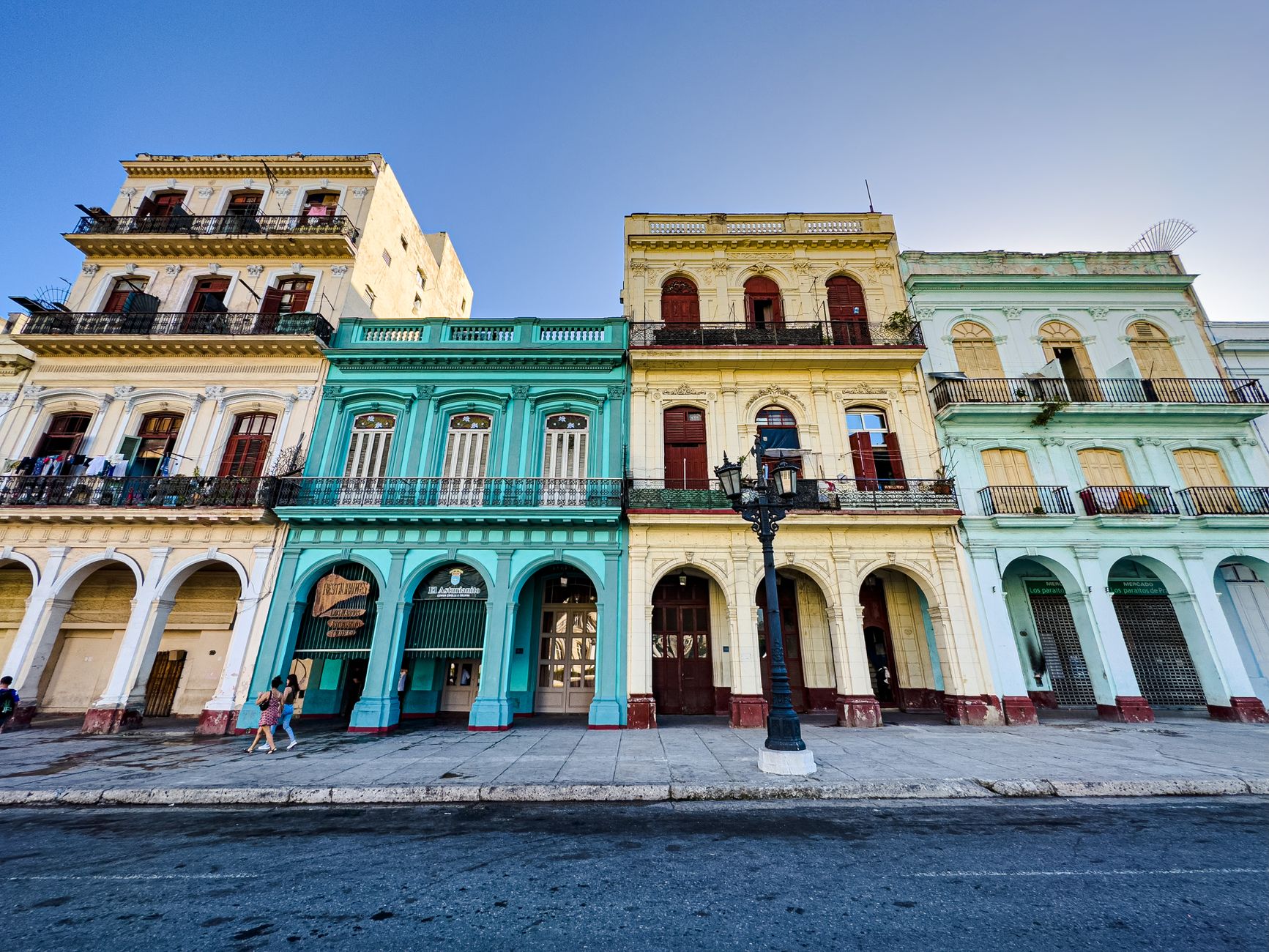
Traveling to Cuba can be an exciting prospect for Americans eager to experience its vibrant culture, stunning landscapes, and rich history. However, the entry rules and restrictions for American travelers are unique and can seem complicated. This guide aims to clarify whether Americans can travel to Cuba and the requirements associated with such journeys.
Understanding the entry rules is essential to making informed travel plans. From visas to travel categories, this article will provide you with a comprehensive overview of what you need to know before embarking on your Cuban adventure.
Can Americans Travel To Cuba? (Entry Rules & Restrictions)
Yes, Americans can travel to Cuba; however, they must adhere to specific regulations set forth by the U.S. government. U.S. citizens are allowed to visit Cuba under certain license categories, which are essential for compliance with the current laws.
Travelers must qualify under one of the twelve categories of authorized travel, which include educational activities, religious activities, family visits, humanitarian projects, and more. Generally, tourism for leisure is not allowed. It’s crucial to familiarize yourself with these categories to ensure compliance during your visit.
Entry Requirements for Americans Traveling to Cuba
When planning a trip to Cuba, Americans should consider the following entry requirements:
- Travel Visa: U.S. travelers need a visa known as a “Tourist Card.” This card is typically issued by airlines or can be obtained through a travel agency. The cost for a Tourist Card generally ranges from $50 to $100.
- Passport: Travelers must have a valid U.S. passport that is not set to expire within six months of their travel dates. It is recommended to carry a photocopy as well.
- Health Insurance: Cuba requires travelers to present proof of health insurance upon arrival. Most American travelers are covered under their travel insurance policies, but it’s advisable to confirm the details.
- COVID-19 Protocols: As of late 2023, travelers may be required to show proof of vaccination or undergo health screenings upon arrival. Check updates from official health authorities just before departure.
Categories of Travel to Cuba
As mentioned earlier, the U.S. government allows travel to Cuba under specific categories. Here is a detailed look at the categories through which Americans may travel:
- Family Visits: Travel for family purposes involving visits to relatives living in Cuba.
- Official Government Business: For employees of the U.S. government or for representatives of international organizations.
- Journalism: For reporters or news people conducting direct reporting activities.
- Educational Activities: Programs that offer educational benefit or purpose related to the culture and history of Cuba.
- Religious Activities: Religious events, training, or activities led by recognized religious organizations.
- Public Performance or Sports: Engaging in performances or presentations in Cuba.
- Support for the Cuban People: Travel in support of the Cuban people that includes self-directed tourist activities.
- Humanitarian Projects: Working on charitable projects in Cuba.
- Exportation of Goods: Engaging in the exportation of goods for commercial purposes related to Cuba.
- Activities Related to the Collecting of Information: Activities for collecting information for research or other purposes.
- Health and Research Activities: Engaging in medical studies or research projects.
- Other Categories: Includes other special licenses that the Office of Foreign Assets Control may issue.
Planning Your Trip
With the necessary information about entry requirements and travel categories, the next step is to plan your trip to Cuba. Here are essential elements to consider when organizing your travel itinerary:
Suggested Trip Length
A recommended trip length for first-time visitors is about 7 to 10 days. This timeframe allows you to explore popular cities like Havana, Viñales, and Trinidad while experiencing local culture and attractions. Here’s a sample itinerary outline:
- Days 1-3: Explore Havana – Visit Old Havana, Revolution Square, and the Malecón.
- Days 4-5: Head to Viñales – Take in the tobacco farms and stunning landscapes.
- Days 6-7: Visit Trinidad – Explore its cobbled streets and historic center.
- Days 8-10: Return to Havana – Enjoy leisure activities or a day trip to nearby beaches.
Main Areas to Explore
Cuba offers a variety of neighborhoods and cities, each with its distinct charm. Here are a few must-visit areas:
- Havana: The capital city is known for its vibrant music scene, historic architecture, and cultural richness. Ensure you visit Old Havana, a UNESCO World Heritage Site, for its colonial buildings and lively atmosphere.
- Viñales: A small town renowned for its tobacco farms and natural beauty. The stunning landscape features limestone mogotes, perfect for hiking and horseback riding.
- Trinidad: Another UNESCO World Heritage Site, Trinidad is celebrated for its well-preserved colonial architecture and cobblestone streets. Its lively plazas are perfect for enjoying local music.
- Varadero: A famous beach destination known for its white sand beaches and turquoise waters. It’s ideal for relaxation and coastal activities.
Transportation Options
Getting around Cuba can be an adventure in itself. Here are several transportation options for navigating the island:
- Domestic Flights: Due to the size of the island, domestic flights are the quickest way to travel from Havana to cities like Santiago de Cuba or Holguín.
- Bus Services: Viazul is the main bus service connecting major cities. Buses are relatively comfortable but may have limited schedules, so plan ahead.
- Classic Cars: For a unique experience, consider renting a classic car. Many locals offer car-sharing services, which provide a nostalgic way to travel.
- Private Taxis: Available in most cities, private taxis can be hired for more comfortable and flexible travel.
- Walking: In cities like Havana and Trinidad, walking is one of the best ways to soak in the local atmosphere.
Accommodation Options
Cuba presents a variety of accommodation options suited to different budgets and experiences. Here are some popular choices:
- Hotels: Government-run hotels offer various price ranges but may lack the personal touch. International hotel chains are present in major cities, providing a more luxurious experience.
- Private Homestays (Casas Particulares): These are private homes that rent rooms to travelers. Staying in a casa gives you an authentic experience and connects you with local families.
- Guesthouses: A more affordable option, guesthouses offer basic amenities and local insights into your destination.
- Resorts: In beach destinations like Varadero, all-inclusive resorts provide comprehensive packages for dining and activities.
Cultural Experiences to Pursue
Cuban culture is vibrant and enriching, offering a plethora of experiences for travelers. Here are some cultural activities to consider during your visit:
- Music and Dance: Engage in local music and dance by attending a salsa club or a live concert. The Malecón in Havana is famous for its outdoor music scene.
- Culinary Experiences: Don’t miss out on local cuisine. Try traditional dishes like Ropa Vieja and enjoy Cuban coffee.
- Art Galleries: Explore art in Havana’s historic districts, especially at the Fabrica de Arte Cubano, a contemporary art space.
- Historical Tours: Visit sites that reflect Cuba’s history, including museums and monuments that detail the Revolutionary period.
Budget Considerations
Understanding the cost of your trip is crucial for effective travel planning in Cuba. Here are major cost drivers to keep in mind:
- Accommodations: Prices for lodging vary significantly, so confirm rates beforehand. Casas particulares tend to be cheaper.
- Food: Dining can range from inexpensive street food to higher-end restaurants. Expect to pay less in local eateries.
- Transport: Factor in costs for domestic flights, long-distance buses, and taxis as you plan your budget.
- Activities: Many cultural activities are budget-friendly, while guided tours may require a higher investment.
Health and Safety Tips
Prioritizing health and safety is essential when traveling to Cuba. Here are some effective tips to keep in mind:
- Stay Hydrated: Drink plenty of bottled water, and keep in mind that tap water isn’t always safe for consumption.
- Protect Against Mosquitoes: Use insect repellent, especially during the rainy season, to avoid mosquito bites.
- Know Local Emergency Numbers: Familiarize yourself with emergency contact numbers, including medical services and your country’s embassy in Cuba.
- Be Aware of Local Laws: Understand Cuban laws and customs to avoid any unintentional infringements.
Packing Essentials for Cuba
Preparing your suitcase with appropriate items will help ensure a smooth trip. Here’s a packing list to consider:
- Comfortable walking shoes
- Lightweight clothing suitable for warm weather
- Sun protection: sunscreen, hat, and sunglasses
- Personal medications and a basic first-aid kit
- A universal power adapter for electronics
- A refillable water bottle to stay hydrated
- Cash, preferably in euro or Canadian dollars, to avoid difficulties with currency exchange
FAQs about Traveling to Cuba
Can I use my credit card in Cuba?
While some hotels and restaurants accept credit cards, many places do not. It is best to carry cash and convert it to Cuban pesos upon arrival.
Is it safe for Americans to travel to Cuba?
Cuba is generally considered a safe country for travelers. However, it is always advisable to exercise standard safety precautions, such as safeguarding your belongings and avoiding isolated areas at night.
What is the best time to visit Cuba?
The best time to visit Cuba is during the dry season, between November and April, when temperatures are pleasant and rainfall is minimal. Avoid traveling during hurricane season, which is from June to November.
Conclusion
Traveling to Cuba as an American requires navigating a unique set of rules and planning; however, with the right preparation, it can be a rewarding experience. Make sure to familiarize yourself with the necessary requirements, plan your itinerary based on the allowed travel categories, and immerse yourself in the vibrant Cuban culture.
To learn more about traveling to Cuba, including entry details and more tips, explore further resources on Can Americans Travel to Cuba and information about Can Americans Go to Cuba.