
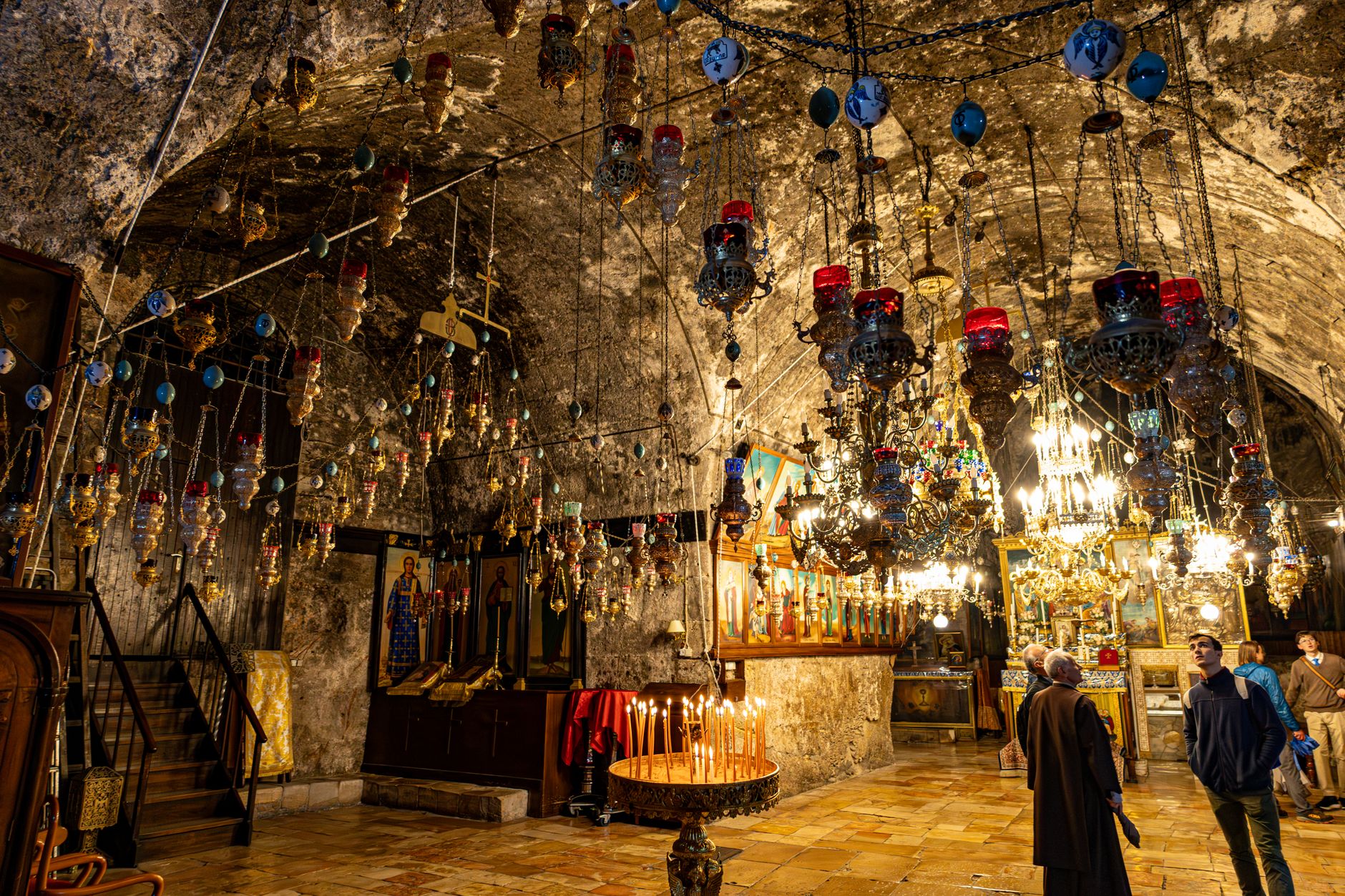
The location where Jesus was crucified holds significant importance for many Christians and is a site of pilgrimage and reverence for different faiths. Known as Golgotha or Calvary, this location is deeply woven into the fabric of Christian history and belief. Many people wonder if they can visit this sacred site, how it is connected to contemporary practices, and what it represents.
This article explores the history and significance of the crucifixion site, including its geographical and spiritual meanings. We will also discuss practical considerations for those wishing to visit, reflecting on the deeper spiritual implications of such a pilgrimage.
Can You Visit Where Jesus Was Crucified?
Yes, you can visit where Jesus was crucified, as the site is located within the Church of the Holy Sepulchre in Jerusalem. This historic location holds immense significance for Christians as it is believed to encompass both the crucifixion and the tomb of Jesus. The church is one of the holiest Christian sites, attracting thousands of pilgrims annually.
The Historical Context of the Crucifixion
Understanding the crucifixion’s historical context requires examining both biblical accounts and archaeological findings. The crucifixion is depicted in all four Gospels of the New Testament—Matthew, Mark, Luke, and John—each providing varying details about the events leading up to, during, and following Jesus’ crucifixion.
- Roman Rule: At the time of Jesus, Judea was under Roman occupation, which explains the crucifixion method used, a common form of execution reserved for criminals and rebels.
- Religious Leadership: The Sanhedrin, the Jewish ruling council, played a role in condemning Jesus. His claims of divinity and challenge to religious authority were significant factors in the decision to seek his death.
- Location: Traditionally, Golgotha is described as a place outside the city walls, fitting with the Gospels’ accounts that indicate Jesus was crucified at a site called “the place of a skull.”
The Church of the Holy Sepulchre
The Church of the Holy Sepulchre is the most revered site for Christians, built over what is believed to be the locations of the crucifixion, burial, and resurrection of Jesus. The church is rich in history and symbolizes the core of Christian faith. Here are some notable aspects:
- Construction: The original structure was commissioned by Emperor Constantine in the 4th century, marking a significant moment in Christian history as it was the first major church built after Christianity became the state religion of the Roman Empire.
- Architectural Design: The church features multiple chapels, and its architecture reflects various styles due to renovations by different communities over centuries.
- Pilgrimage Site: It remains a central location for pilgrims, who not only observe the significant spots within the church but also partake in rituals that have been practiced for generations.
Visiting the Site
For those wishing to visit the site of Jesus’ crucifixion, several practical considerations come into play. Understanding these elements will help facilitate a meaningful visit.
Planning Your Visit
Here are some steps to take when planning your visit to the Church of the Holy Sepulchre:
- Research: Look into the history, services, and customs of the church. Knowing its significance enhances the experience.
- Timing: Check the opening hours of the church and consider visiting during less crowded times, such as early mornings on weekdays.
- Guided Tours: Consider joining a guided tour focusing on religious or historical aspects to deepen understanding.
- Ethical Considerations: Be respectful of the space, observing the customs and rituals of pilgrims and worshippers.
What to Expect Upon Arrival
Your visit may involve a number of experiences:
- Quiet Reflection: Visitors often find time for personal prayer or meditation in a historically charged environment.
- Observance of Rituals: You may witness various religious rituals conducted by different Christian denominations.
- Photography: Be mindful of restrictions on photographing certain areas, especially during worship.
Spiritual Significance of Pilgrimage
Visiting the site of Jesus’ crucifixion may serve as a profound spiritual exercise. It can evoke reflections on the sacrifice, love, and teachings of Jesus. Pilgrimages hold various meanings across different faiths:
- Connection to Faith: Making the pilgrimage can deepen one’s connection to Christian faith and its teachings.
- Personal Reflection: Many pilgrims find that standing at the site of such significant events can lead to profound insights and personal growth.
- Community: Sharing the experience with fellow pilgrims can foster a sense of belonging within the broader Christian community.
Personal Spiritual Practices to Consider
As you reflect on your visit or the idea of a pilgrimage, consider these spiritual practices that can enrich your experience:
- Prayer: Take moments to pray during your journey, reflecting on themes of sacrifice and redemption.
- Journaling: Write about your feelings, thoughts, and any revelations that arise during your visit. This can help solidify insights gained.
- Group Reflection: If traveling with others, hold a discussion or sharing circle to explore each person’s experience and insights.
Ethical Dimensions of Pilgrimage
It is essential to consider the ethical implications of pilgrimage, particularly within the context of a site like the Church of the Holy Sepulchre:
- Cultural Sensitivity: Respect the site’s importance to different Christian denominations, as it is shared by various beliefs and practices.
- Environmental Awareness: Be mindful of your footprint while traveling, taking steps to ensure sustainability during your visit.
- Support for Local Communities: Consider supporting local artisans and businesses to contribute positively to the community surrounding this historical site.
A Brief History of Pilgrimage in Christianity
The tradition of pilgrimage has deep roots in Christianity. It has evolved over centuries, influenced by numerous historical and cultural factors. Key points include:
- Early Christian Pilgrimages: After the resurrection of Jesus, early Christians would travel to significant sites to connect with the places where events occurred.
- Middle Ages: In the Medieval period, pilgrimage became widespread, with many traveling to Jerusalem, Rome, and Santiago de Compostela.
- Modern Reflections: Today, pilgrimage continues, often accompanied by spiritual renewal and personal reflection.
Conclusion
Visiting the site of Jesus’ crucifixion offers a unique opportunity for reflection on faith and the historical events that shape Christian identity. By understanding its history, planning a respectful visit, and engaging in meaningful spiritual practices, pilgrims can enrich their faith and personal growth.
As you contemplate your journey, consider questions such as: What does the crucifixion mean to me personally? How can I apply the lessons of love, sacrifice, and redemption in my life? Taking time to reflect on these questions can lead to deeper spiritual insights.
For those wishing to explore more about the practices surrounding fasting and prayer in Christianity, consider reading about prayers for fasting and how many days Jesus fasted in the desert. These themes often intertwine with the reflection inspired by visiting these sacred sites.