
The smell of coho salmon sizzling in a hot pan with butter and lemon juice is one of those kitchen moments that stops you in your tracks. Coho salmon is a beautiful, slightly milder fish than its king salmon cousin, making it perfect for weeknight dinners and impressive enough for guests.
This recipe delivers restaurant-quality results in under 30 minutes, with a crispy skin exterior and buttery, flaky flesh inside. You get a dish that feels fancy but requires almost no fussing around, plus coho’s natural richness means you can keep the ingredient list short and let the fish shine.
Why You’ll Love This Recipe
Coho salmon cooks fast, tastes incredible, and fits perfectly into any meal plan you’re juggling. The skin gets gorgeously crispy while the inside stays moist and tender, no matter your cooking confidence level.
- Ready to eat in under 25 minutes from start to finish
- Minimal ingredients let the fish flavor take center stage
- Works on a stovetop, in the oven, or on the grill
- Naturally gluten-free, keto-friendly, and paleo-approved
- Impresses dinner guests without demanding hours of prep
My Experience Making This Recipe
I first made this version on a Tuesday night when I had coho fillets thawing and absolutely no energy for complexity. I pan-seared them skin-side down in a cast iron skillet, and within five minutes the skin made this incredible crackling sound that honestly made my whole kitchen smell amazing.
My partner came downstairs asking what smelled so good, thinking I’d been cooking for hours. When I told him it took 20 minutes total, he was skeptical until he tasted it and cleaned his plate in about three minutes flat.
Now I make this at least twice a month because it’s become the go-to when I want to eat something that feels special without the stress. The technique is forgiving enough that you learn it on the first try, but polished enough that you still feel like you nailed something hard.
Recipe Overview
- Recipe Name: Pan-Seared Coho Salmon with Lemon Butter
- Servings: 4
- Prep Time: 10 minutes
- Cook Time: 12 minutes
- Total Time: 22 minutes
- Course: Main Course
- Cuisine: American
- Calories per Serving: 340
Equipment You Will Need
- 12-inch cast iron or stainless steel skillet
- Paper towels
- Instant-read meat thermometer
- Tongs or fish spatula
- Cutting board
- Sharp knife
- Small bowl for mixing butter sauce
- Measuring spoons and cups
Ingredients for Coho Salmon Recipe
- Coho salmon fillets: 4 fillets (6 ounces each), skin-on
- Extra-virgin olive oil: 2 tablespoons
- Unsalted butter: 4 tablespoons
- Fresh lemon: 1 large, cut into wedges
- Sea salt: 1 teaspoon
- Black pepper: 1/2 teaspoon
- Fresh garlic: 3 cloves, minced
- Fresh thyme: 4 sprigs
Ingredient Notes and Substitutions
- Coho salmon fillets: Coho offers a buttery texture and mild flavor that cooks evenly without drying out. You can swap in sockeye salmon if you prefer a stronger fish flavor, though it may cook slightly faster.
- Extra-virgin olive oil: This creates the crispy skin and prevents sticking. Avocado oil or clarified butter works as a substitute and handles high heat just as well.
- Unsalted butter: Adds richness and flavor after the fish is mostly cooked. Ghee substitutes perfectly and gives a slightly nuttier taste.
- Fresh lemon: Brightens the richness and cuts through the fat beautifully. Lime juice or white wine vinegar provide similar acidity and work equally well.
- Fresh thyme: Adds an earthy, subtle herb note without overpowering the fish. Rosemary or dill substitute nicely, though reduce the amount of dill to half since it’s stronger.
How to Make Coho Salmon Recipe
Remove your coho salmon fillets from the refrigerator 10 minutes before cooking so they reach room temperature evenly. Pat them completely dry with paper towels on both sides, paying special attention to the skin, since moisture prevents the skin from crisping and causes the fish to steam instead of sear.
Step 1: Prepare Your Salmon Fillets
Sprinkle both sides of each fillet with sea salt and black pepper, using your fingers to press the seasoning gently into the flesh. Season right before cooking so the salt doesn’t draw moisture out of the fish and make the skin soggy.
Step 2: Season Generously
Place a 12-inch cast iron or stainless steel skillet over medium-high heat and let it warm for 2 to 3 minutes. You want the pan hot enough that a drop of water sizzles immediately, which tells you it’s ready to create that crucial crispy skin without overcooking the inside.
Step 3: Heat Your Skillet
Add the olive oil to the hot skillet and immediately lay the salmon fillets skin-side down. Don’t move them for 5 to 6 minutes, which allows the skin to crisp up and the bottom layer of flesh to cook through gently.
Step 4: Add Oil and Sear the Salmon
Using a fish spatula or thin metal turner, flip each fillet carefully and cook for another 3 to 4 minutes on the flesh side. The fish should be opaque in the center and flake easily when pressed with a fork, with an internal temperature of 145 degrees Fahrenheit.
Step 5: Flip and Cook the Other Side
Add minced garlic and fresh thyme sprigs to the skillet around the fillets during the last minute of cooking. The residual heat will release their flavors into the pan oil, infusing the fish with aromatics.
Step 6: Build the Butter Sauce
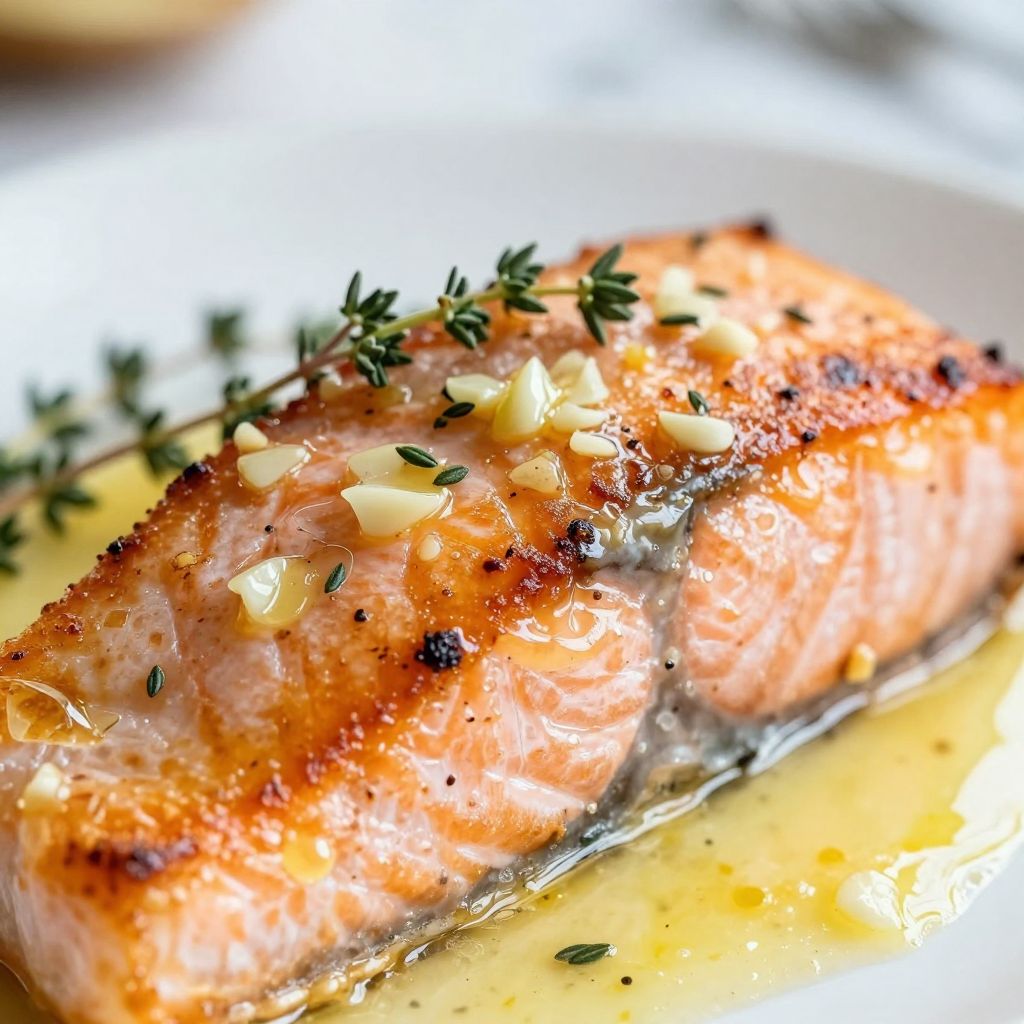
Step 7: Add Butter and Lemon
Remove the skillet from heat and add the unsalted butter in small pats, letting it melt gently with the residual heat. Squeeze fresh lemon juice over everything, which creates a bright, silky sauce without any raw lemon sharpness.
Step 8: Plate and Serve Immediately
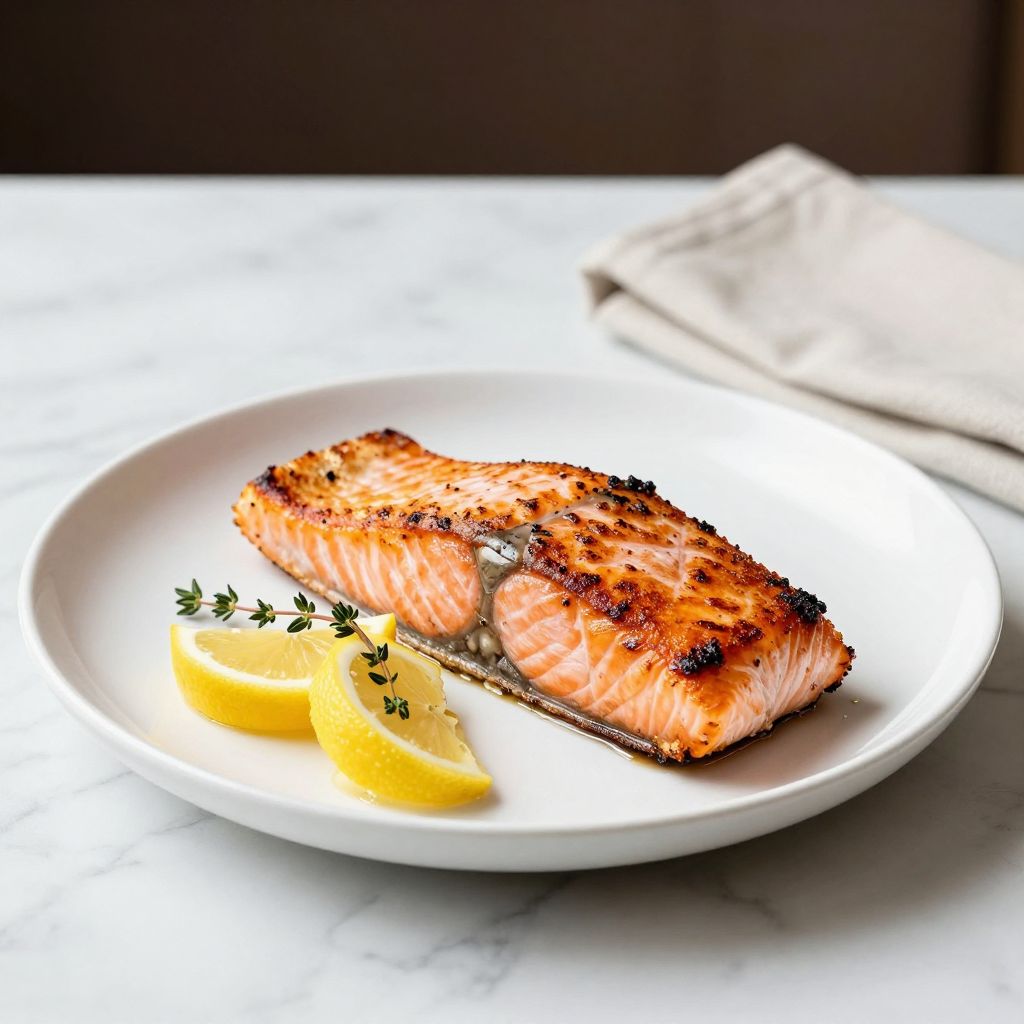
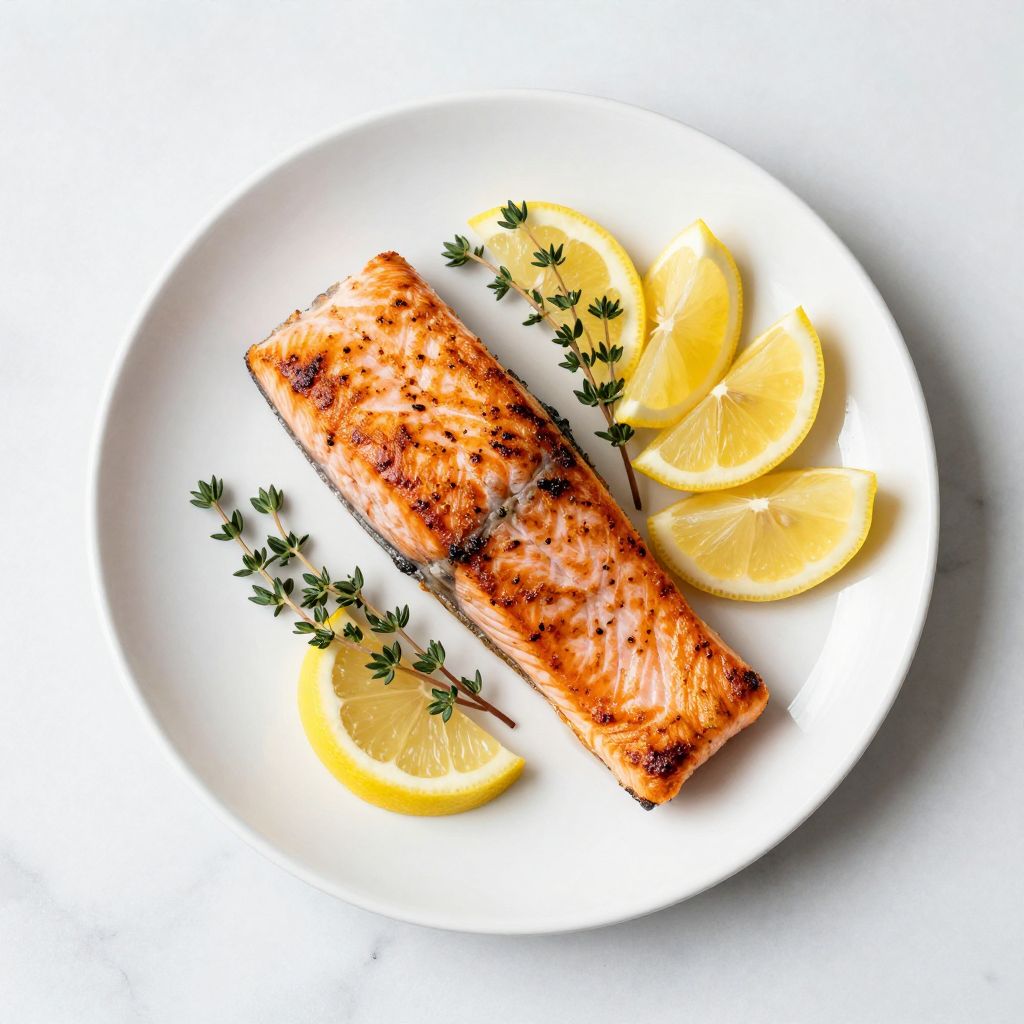
Using a fish spatula or tongs, transfer each salmon fillet to a warmed plate skin-side up to stay crispy. Spoon the warm lemon butter sauce from the skillet over the fish and top with fresh thyme sprigs for a restaurant-quality finish.
Pro Tip: Don’t flip your salmon fillets more than once, and never press down on them with your spatula while they cook, which squeezes out moisture and prevents crisping.
Tips for the Best Coho Salmon Recipe
- Buy fillets that are roughly the same thickness so they cook at the same rate and finish together. If your fillets vary, place thicker ones on hotter areas of the skillet.
- Use a skin-on fillet because the skin protects the delicate flesh underneath and adds incredible flavor. Request this specifically at the fish counter since many stores trim it off automatically.
- Start with high heat to crisp the skin, then keep the heat steady to avoid burning the bottom while the inside stays raw. Medium-high is your sweet spot for coho’s delicate flesh.
- A meat thermometer takes the guesswork out of doneness and prevents overcooking this expensive fish. Aim for 145 degrees Fahrenheit at the thickest part for moist, flaky results.
- Make the lemon butter sauce right in the pan where you cooked the fish so you capture all those flavorful browned bits stuck to the bottom. This is called deglazing, and it adds incredible depth.
Common Mistakes to Avoid
- Cooking salmon straight from the refrigerator causes uneven cooking where the outside overdoes before the inside reaches temperature. Room temperature fillets cook evenly in about 10 minutes total.
- Wet salmon steams instead of sears because water prevents the high heat needed for crispy skin. Always pat your fillets dry before they hit the pan.
- Moving the fillets around while they cook breaks the crispy skin and prevents a proper crust from forming. Let them sit skin-side down undisturbed for at least 5 minutes.
- Using butter from the start burns it at high heat and creates a bitter flavor before the fish finishes cooking. Add butter only in the last minute when you’re removing the pan from heat.
- Overcooking salmon makes it dry and chalky since this lean fish has little fat to keep it moist when overheated. Use a thermometer and stop cooking at 145 degrees Fahrenheit.
Serving Suggestions
Coho salmon’s rich, buttery flesh pairs beautifully with bright, acidic sides that cut through the fat and refresh your palate. Serve it with roasted vegetables, creamy grains, or a fresh salad to build a balanced, satisfying plate.
- Roasted asparagus tossed with garlic and parmesan cheese
- Creamy risotto or polenta finished with butter and herbs
- Arugula salad with shaved parmesan, lemon vinaigrette, and pine nuts
- Roasted fingerling potatoes with rosemary and sea salt
- Steamed baby bok choy with garlic and sesame oil
Variations to Try
- Honey Soy Glaze: Brush fillets with a mixture of soy sauce, honey, and ginger before cooking for an Asian-inspired version with sweet and salty notes. The glaze caramelizes on the skin and adds incredible depth.
- Cajun Spiced: Replace the simple salt and pepper with a Cajun spice blend of paprika, cayenne, garlic powder, and thyme for a warm, spicy kick. Keep the lemon butter sauce for balance.
- Herb Crust: Mix panko breadcrumbs, fresh parsley, dill, and lemon zest, then press onto the flesh side before cooking for a crunchy exterior. This adds texture and traps moisture inside.
- Balsamic Reduction: Top cooked salmon with a quick balsamic reduction made by simmering balsamic vinegar for 3 minutes until syrupy. The tangy sweetness complements coho’s richness beautifully.
- Mustard Crust: Mix Dijon mustard with whole grain mustard, honey, and fresh thyme, then spread on the flesh side before cooking. This adds tangy complexity without overwhelming the fish.
Dietary Adaptations
- Gluten-Free: This recipe is naturally gluten-free since it contains no flour or grain-based ingredients. Simply verify that any store-bought seasonings you use are certified gluten-free.
- Dairy-Free: Replace the butter with extra-virgin olive oil or coconut oil in equal amounts, whisking in a touch of apple cider vinegar for brightness. The sauce becomes lighter but loses the rich, creamy mouthfeel.
- Vegan/Vegetarian: This recipe centers on fish and cannot be easily adapted to plant-based eating without losing its core identity. Consider making a mushroom or cauliflower steak instead using the same cooking technique.
- Low-Carb/Keto: This recipe already fits perfectly into keto diets with zero carbohydrates and high healthy fats. Pair it with leafy greens or low-carb vegetables to keep meals ketogenic.
Storage and Reheating
Refrigerator
Store leftover cooked salmon in an airtight container on the coldest shelf of your refrigerator for up to 3 days. The fish stays moist when stored with any remaining pan sauce, which keeps it from drying out.
- Cover tightly to prevent the smell from spreading to other foods
- Keep away from raw meat and seafood to prevent cross-contamination
- Use within 3 days for best quality and food safety
Freezer
Wrap cooled salmon fillets individually in plastic wrap, then place them in a freezer-safe bag to prevent freezer burn. Properly stored coho salmon keeps for up to 3 months in the freezer.
- Label with the date so you remember how long it has been frozen
- Remove air from the bag to slow oxidation and freezer burn
- Thaw overnight in the refrigerator before reheating
Reheating
The best way to reheat cooked salmon is gently in a low oven to preserve the texture and prevent overcooking. Place the fillet in a baking dish with a splash of water or broth, cover with foil, and warm at 275 degrees Fahrenheit for 8 to 10 minutes until heated through.
- Never use a microwave, which dries out the delicate flesh and creates an unpleasant texture
- Add a pat of butter before reheating to restore moisture and richness
- Serve immediately with fresh lemon juice to brighten the reheated fish
Nutrition Information
| Nutrient | Amount |
|---|---|
| Calories | 340 |
| Total Fat | 22 grams |
| Saturated Fat | 6 grams |
| Carbohydrates | 0 grams |
| Fiber | 0 grams |
| Sugar | 0 grams |
| Protein | 38 grams |
| Sodium | 520 milligrams |
| Cholesterol | 88 milligrams |
These values are approximate and based on USDA nutrition data for coho salmon and standard pantry ingredients. Exact numbers depend on specific brands and any modifications you make to the recipe.
Frequently Asked Questions
Can I use frozen coho salmon fillets?
Yes, frozen fillets work beautifully as long as you thaw them overnight in the refrigerator before cooking. Thawing slowly in the refrigerator preserves moisture and prevents bacteria growth compared to thawing at room temperature.
How do I know when coho salmon is cooked through?
The flesh should be opaque and flake easily when pressed with a fork, with an internal temperature of 145 degrees Fahrenheit at the thickest part. Use an instant-read thermometer for foolproof results every time.
Can I make this recipe on the grill?
Absolutely, and grilling adds a wonderful smoky flavor that complements coho beautifully. Place fillets skin-side up on oiled grill grates over medium-high heat for 6 to 8 minutes, and skip the flip to keep the skin crispy and intact.
What’s the difference between coho and other salmon varieties?
Coho salmon has a milder, less oily flavor than sockeye or king salmon, making it gentler and less “fishy” tasting. It also cooks slightly faster due to its lower oil content, so watch your timing carefully to avoid overcooking.
Can I prepare this recipe ahead of time?
You can prepare all your ingredients an hour or two in advance, but you should cook the salmon just before serving to preserve the crispy skin. The cooked fish stores well in the refrigerator for up to 3 days if you need to cook it ahead.
What wine pairs well with coho salmon?
A crisp sauvignon blanc or unoaked chardonnay complements the buttery richness and bright lemon sauce perfectly. Pinot noir works beautifully if you prefer red wine, offering subtle earthiness without overpowering the delicate fish.
Final Thoughts
Coho salmon has become my weeknight favorite because it delivers restaurant results without the stress or time commitment. Once you nail this basic technique, you’ll find yourself making it constantly because it’s that good and that fast.
Start with this simple lemon butter version to learn the technique, then explore the variations once you feel confident. Your guests will be impressed, your family will ask for seconds, and you’ll feel like a professional chef in your own kitchen.
If you want to expand your seafood cooking skills, check out this delicious salmon loaf recipe for a different take on preparing salmon at home. You might also enjoy exploring other protein options like smoked chicken thighs to master various cooking techniques in your kitchen.
Pan-Seared Coho Salmon with Lemon Butter
Ingredients
Equipment
Method
- Remove the salmon fillets from the refrigerator 10 minutes before cooking and pat them completely dry with paper towels.
- Season both sides of each fillet with 1 teaspoon sea salt and 1/2 teaspoon black pepper, pressing gently to adhere.
- Heat a 12-inch cast iron or stainless steel skillet over medium-high heat for 2 to 3 minutes until a drop of water sizzles on contact.
- Add 2 tablespoons extra-virgin olive oil to the hot skillet and immediately place the fillets skin-side down, pressing gently to ensure full contact. Cook undisturbed for 5 to 6 minutes until the skin is crisp.
- Using a fish spatula or tongs, carefully flip the fillets and cook for an additional 3 to 4 minutes on the flesh side, or until the internal temperature reaches 145°F.
- During the last minute of cooking, add 3 cloves minced garlic and 4 sprigs fresh thyme to the skillet to infuse the oil.
- Remove the skillet from heat, add 4 tablespoons unsalted butter in pats and squeeze juice from 1 large lemon over the fillets, swirling to create a smooth sauce.
- Transfer the salmon to warmed plates, skin-side up, spoon the lemon butter sauce over the top, and garnish with additional thyme before serving.