
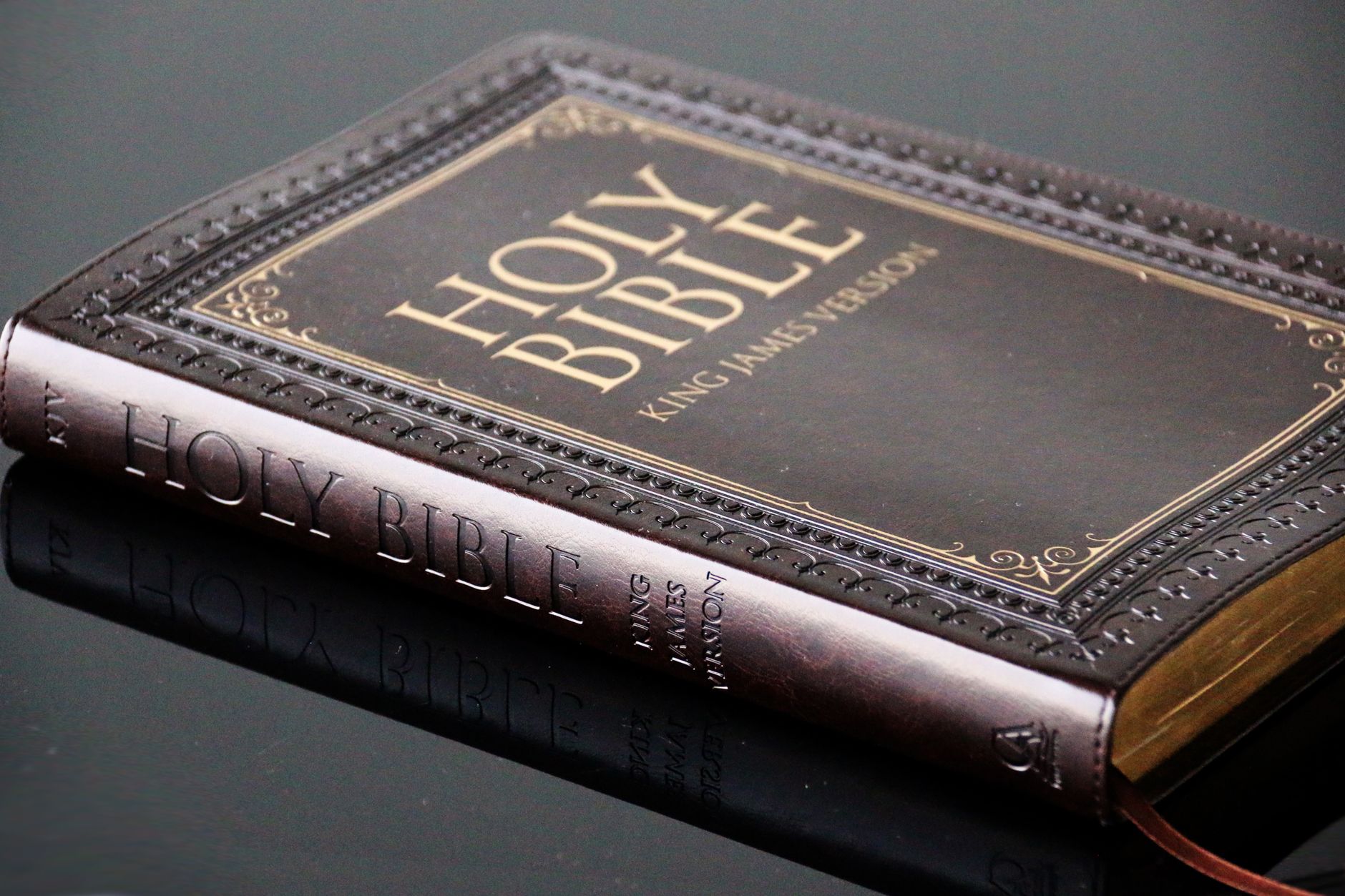
When exploring the relationship between Catholics and the King James Bible, it’s important to understand the historical context and how biblical texts influence Catholic teachings and practices today. The King James Bible (KJV), originally published in 1611, has played a significant role in Christianity but is not the primary text for Catholics. Instead, Catholics turn to the Douay-Rheims Bible and other translations approved by the Catholic Church.
This article aims to clarify what Catholics believe regarding the King James Bible, addressing its usage, textual significance, and how it aligns with Catholic doctrine. Understanding these facets can promote interfaith dialogue and enhance one’s comprehension of Catholic beliefs and practices.
Do Catholics Use the King James Bible?
The straightforward answer is that while some Catholics may use the King James Bible for personal study or reference, it is not an official text in the Catholic tradition. The church encourages the use of translations that adhere to Catholic teachings and doctrines, primarily the New American Bible (NAB) and the Douay-Rheims Bible.
Historical Background of the King James Bible
The King James Bible was commissioned in 1604 by King James I of England and was widely embraced by many Protestant denominations. Its publication aimed to create a standard English translation accessible to the common man. The effort was significant during a time when the availability of the scriptures was limited, and the church maintained tight control over biblical texts.
While the KJV became a foundational text for many Protestant communities, it did not have the same acceptance in Catholic circles. The Catholic Church had its own established translations and believed in certain doctrines concerning scripture that differed from those espoused in Protestant traditions.
The Catholic View on Biblical Authority
Catholics regard the Bible as sacred and authoritative but emphasize the role of the Church in interpreting scripture. The Magisterium, or the teaching authority of the Church, plays a crucial role in this interpretation. The Church believes that different translations can lead to diverse interpretations, and thus it chooses to promote translations that align closely with Catholic doctrine.
Some key points that underpin Catholic beliefs about biblical authority include:
- The Bible is inspired by God but must be understood within the tradition and teachings of the Church.
- Catholics believe in the importance of both the Old and New Testaments, as well as the additional deuterocanonical books included in Catholic Bibles but excluded from the Protestant versions.
- Catholics support a communal understanding of scripture that is guided by the Church’s teachings, contrasting with the often individualistic interpretations common in Protestantism.
Why the Douay-Rheims Bible is Preferred
The Douay-Rheims Bible, completed in stages from 1582 to 1610, is the Catholic translation of the Bible that most closely aligns with the Church’s teachings and traditions. It was translated from the Latin Vulgate and reflects a Catholic understanding of doctrine, ethics, and spirituality.
Some reasons why the Douay-Rheims Bible is preferred by Catholics include:
- Translation from the Latin: The Catholic Church recognizes the Latin Vulgate as the authoritative biblical text, making the Douay-Rheims a logically compatible choice.
- Completeness: The Douay-Rheims includes the deuterocanonical books, reinforcing Catholic teachings that include these additional scriptures.
- Historical significance: The Douay-Rheims served as the standard English Bible for Catholics for centuries, establishing a historical and cultural context within Catholicism.
Use of the King James Bible in Catholicism
While the King James Bible is not commonly used in official Catholic liturgy or educational materials, it may be referenced by individual Catholics for personal study. This usage often arises from the KJV’s literary quality and its impact on English-speaking culture.
Some Catholics may appreciate the poetic language of the KJV or turn to it for specific passages they heard in Catholic education or upbringing. Additionally, in interfaith dialogue or discussions with non-Catholics, some Catholics may reference the KJV to facilitate common ground.
Liturgical Use
In Catholic liturgy, scripture readings are taken from approved translations, primarily the New American Bible. The lectionary used in Mass provides a structured approach to scripture readings that adheres to Catholic theological frameworks.
However, understanding the differences in translations can enhance appreciation and respect for varying Christian traditions. Engaging with the KJV can provide further insights into scriptural interpretations that might be beneficial in ecumenical discussions.
Differences in Translation Philosophy
The translation philosophy behind the King James Bible differs from that of Catholic-approved versions. The KJV utilizes a more literal translation approach, often reflecting the text as it was originally written, while Catholic translations emphasize clarity and accessibility for contemporary readers, ensuring excellent understanding of the text.
Some aspects of translation philosophy include:
- Linguistic Fidelity: The KJV aims for a translation that follows the original texts closely, which may lead to archaic language usage.
- Dynamic Equivalence: Catholic translations, such as the NAB, often emphasize clearer language that conveys the text’s meaning while maintaining fidelity to key doctrines.
- Theological Consistency: Catholic translators work to ensure that translations do not misrepresent key doctrines and beliefs central to Catholic faith and practice.
The King James Bible and Catholic Doctrine
It is essential to recognize that despite the literary merit of the KJV, it does not reflect Catholic teachings in several significant areas. Understanding these differences allows for a more profound exploration of Catholic theology, ethics, and practices.
Some doctrines where differences may arise include:
- The Sacraments: Catholicism holds to seven sacraments instituted by Christ, whereas many Protestant interpretations, including some that utilize the KJV, may emphasize a different view on sacraments.
- The Role of Tradition: Catholics emphasize the importance of both Scripture and Tradition in conveying God’s revelation, an aspect often less emphasized in some Protestant circles.
- Salvation and Grace: The Catholic understanding encompasses a view of faith and works in salvation, while some interpretations rooted in KJV usage may focus on salvation by faith alone.
Benefits of Understanding Different Biblical Versions
Engaging with various biblical translations, including the King James Bible, can enrich a Catholic’s understanding of scripture and its nuances. Here are some benefits of this approach:
- Broader Perspective: Exposure to different translations encourages a deeper appreciation for the richness of biblical language and its interpretations.
- Informed Discussions: Understanding the KJV allows Catholics to engage more thoughtfully with non-Catholics in discussions about faith and scripture.
- Enhanced Personal Study: Reading multiple translations can reveal insights and meanings that might not be evident in a single version.
Reflection and Personal Growth
Taking the time to explore the King James Bible alongside the Douay-Rheims or other approved translations can lead to personal spiritual growth and a deeper understanding of faith. Here are a few ways to engage in this practice:
- Scripture Comparison: Choose a passage and read it in both the KJV and the Douay-Rheims Bible. Reflect on the differences in wording and meaning.
- Group Discussions: Join or form a study group that explores various translations and interpretations of the Bible, fostering open dialogue.
- Prayerful Reflection: Spend time in prayer asking for insight into the scriptures and how they relate to your faith and daily life.
The Role of the Catholic Church in Scripture Interpretation
As previously mentioned, the Catholic Church believes that Scripture must be interpreted in light of tradition and teaching authority. This perspective not only shapes how Catholics view the Bible but also informs their overall spiritual practice. The following points highlight the role of the Church in fostering understanding:
- Guidance from the Magisterium: The Church provides interpretations of scripture through official documents, encyclicals, and catechisms.
- Scripture Study Programs: Many parishes offer classes or study sessions to help individuals deepen their understanding of scripture.
- Integration of Tradition: The Church emphasizes the significance of the lived tradition, helping believers connect with the historical contexts of the scripture.
Conclusion
In summary, while some individual Catholics may reference the King James Bible, it is not a primary text within Catholicism, which embraces translations like the Douay-Rheims and the New American Bible. Understanding the relationship between Catholics and the KJV illuminates essential differences in doctrine, interpretation, and scriptural authority.
For those keen on exploring scripture further, consider studying translations, joining discussion groups, or engaging in prayerful reflection on the texts. This journey can enhance spiritual comprehension and foster interfaith understanding, leading to a more profound appreciation of one’s faith and the beliefs of others.
If you wish to delve into related topics, consider exploring these articles: Bible Verses About Food and Prayers for Food.