
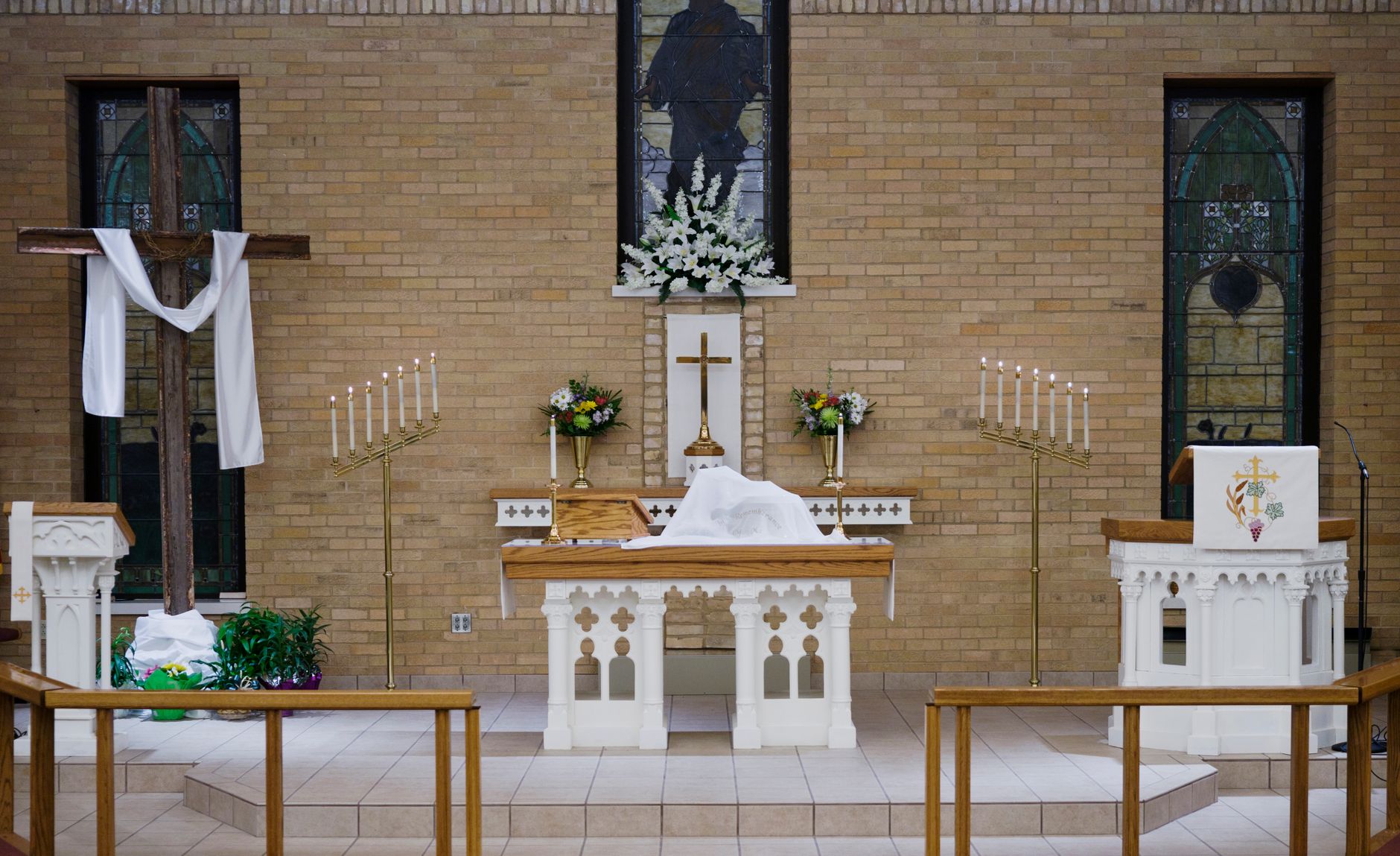
The celebration of Easter is one of the most significant events in the Christian calendar, marking the resurrection of Jesus Christ. This moment conveys profound theological implications that resonate deeply with believers around the world. In this article, we will explore the meaning behind “Happy Easter Jesus Is Risen” along with relevant Bible verses that illuminate the essence of this cherished celebration.
Easter Sunday is not simply a seasonal festivity; it is a time for reflection, joy, and spiritual renewal. The phrase “Jesus Is Risen” serves as a powerful declaration of faith, emphasizing the victory over sin and death. This article aims to deepen our understanding of Easter’s significance through scripture, symbolism, and personal reflection.
What Does “Jesus Is Risen” Mean?
The statement “Jesus Is Risen” encapsulates the core belief of Christianity—that Jesus Christ overcame death through his resurrection. This event is recorded in all four Gospels and is seen as the ultimate confirmation of his divinity and the assurance of eternal life for believers. The resurrection serves as the foundation for Christian hope, embodying the promise of new beginnings and triumph over despair.
Biblical Context of the Resurrection
The resurrection of Jesus is narrated primarily in passages found in the New Testament. Each Gospel offers unique perspectives, yet all converge on the essential truth of this miraculous event. Here are key Biblical references related to the resurrection:
- Matthew 28:1-10 (NIV): This passage describes the women discovering the empty tomb and receiving the angel’s message. “He is not here; he has risen, just as he said.” It highlights the joy and wonder of the resurrection.
- Mark 16:1-8 (NIV): Mark’s account emphasizes the fear and astonishment of the women who encounter the angel. The directive to share the news of Jesus’ resurrection reflects the mission given to believers.
- Luke 24:1-12 (NIV): In Luke’s narrative, the women are reminded of Jesus’ prophecy regarding his resurrection, showcasing the fulfillment of his words and the prophetic aspect of his mission.
- John 20:1-18 (NIV): The Gospel of John provides an intimate look at Mary Magdalene’s encounter with the risen Christ, illustrating a personal connection to the resurrection and its implications for faith.
Theological Significance of the Resurrection
The resurrection of Jesus holds profound theological implications. It signifies not only his victory over death but also God’s promise of redemption for humanity. Several key concepts arise from the resurrection:
- Hope: The resurrection is a source of hope, assuring believers of eternal life. It transforms the understanding of death from a finality into a passage to eternal communion with God.
- New Creation: Through the resurrection, believers are invited into a new creation, emphasizing renewal in all aspects of life. This theme underlines the transformational power of faith.
- Defeat of Sin and Death: The resurrection affirms Christ’s triumph over sin and death, reinforcing the belief that faith in Him grants freedom from the bondage of sin.
Symbols of Easter
Easter is rich with symbolism that reflects the themes of resurrection and new life. Some of the most notable symbols include:
- The Cross: While the cross represents Christ’s suffering and sacrifice, it also symbolizes his victory in the resurrection.
- The Empty Tomb: The empty tomb stands as a powerful symbol of hope, pointing to the idea that Jesus is alive, offering assurance to the faithful.
- Eggs: Often associated with Easter, eggs symbolize new life and resurrection. This tradition can be traced back to various cultural practices celebrating spring and renewal.
- Flowers: Blooms like lilies are associated with Easter, representing new beginnings and the beauty of life renewed through resurrection.
Celebrating Easter: Traditions and Practices
Easter is celebrated worldwide with a variety of traditions that enhance the spiritual significance of the holiday. Here are a few common practices:
- Sunrise Services: Many Christians hold sunrise services to commemorate the moment of resurrection, often accompanied by hymns and scripture readings.
- Special Meals: Families may gather for festive meals featuring symbolic foods that reflect the joy of the resurrection.
- Easter Vigil: This liturgical service takes place on the night before Easter Sunday, celebrating the resurrection through readings, prayers, and baptisms.
- Egg Hunts: In many cultures, Easter egg hunts symbolize the search for new life, engaging both children and adults in the joyous spirit of the season.
Bible Verses for Easter Reflection
The following verses offer a solid foundation for Easter reflection and meditative practices, enhancing the spiritual experience of the celebration:
- 1 Peter 1:3 (NIV): “Praise be to the God and Father of our Lord Jesus Christ! In his great mercy, he has given us new birth into a living hope through the resurrection of Jesus Christ from the dead.” This verse emphasizes the hope believers have through the resurrection.
- Romans 6:4 (NIV): “We were therefore buried with him through baptism into death in order that, just as Christ was raised from the dead, we too may live a new life.” This verse highlights the spiritual renewal offered through Christ’s resurrection.
- John 11:25-26 (NIV): Jesus said, “I am the resurrection and the life. The one who believes in me will live, even though they die; and whoever lives by believing in me will never die.” This statement encapsulates the promise of eternal life.
- Matthew 28:20 (NIV): “And surely I am with you always, to the very end of the age.” This assurance conveys Christ’s continued presence with believers as they live out their faith.
Prayers for Easter
In addition to scripture, specific prayers can help foster deeper connections during Easter. Here are a few recommended prayers:
- Prayer of Thanksgiving: Express gratitude for the gift of resurrection and new life.
- Prayer for Renewal: Seek personal renewal and growth in faith, asking to embody the hope of resurrection in everyday life.
- Intercessory Prayer: Pray for the needs of others, reflecting Christ’s love and sacrifice in actions that support and uplift.
Reflection Questions for Personal Growth
Engaging with meaningful questions can facilitate personal reflection and spiritual growth as you celebrate Easter:
- What does the resurrection of Jesus mean to you personally?
- In what areas of your life do you seek renewal or transformation this Easter?
- How can you share the joy of resurrection with those around you?
- What traditions or practices resonate most with your understanding of Easter?
Connecting with the Community
Easter is a shared experience among Christians worldwide. Engaging with your faith community can enhance your celebration. Consider attending services, participating in group prayers, or engaging in community service. Fellowship with others can deepen your understanding and experience of the resurrection’s meaning.
Conclusion
The declaration “Happy Easter Jesus Is Risen” holds deep and transformative significance for Christians. It serves as a reminder of the hope, renewal, and victory that the resurrection offers. Through reflection, prayer, and community engagement, believers are invited to embrace the truth of the resurrection in their lives.
As you celebrate Easter, take time to reflect on the resurrection’s meaning and how it shapes your faith and daily actions. Consider the prayerful practices that resonate with you and the ways in which you can carry this message of hope forward.
For further exploration, you may wish to read our articles on Bible verses about food and prayers for fasting to enrich your spiritual journey.