
The first time I roasted a batch of fresh beets and tossed them in a tangy vinegar glaze, I understood why this classic dish has hung around American dinner tables for over a century.
Harvard Beets are a timeless side dish that combines earthy beets with a bright, sweet-and-sour sauce that feels both comforting and sophisticated at once. This recipe is quick to pull together, naturally vegetarian, and works beautifully alongside roasted chicken, pork chops, or even as part of a vegetable medley. The result is tender beets coated in a glossy, tangy sauce that tastes like it took hours but comes together in under 30 minutes.
Why You’ll Love This Recipe
Harvard Beets deliver a perfect balance of flavors and textures that work on any table. They’re simple, reliable, and feel a bit more refined than everyday side dishes.
- Bright, tangy flavor that cuts through rich meats
- Naturally sweet with just enough vinegar bite to keep things interesting
- Ready in less than 30 minutes, even with fresh beets
- Stores beautifully in the fridge for several days
- Works for weeknight dinners and holiday tables alike
My Experience Making This Recipe
I first made this dish for a dinner party when I wanted something that looked restaurant-polished but wouldn’t trap me in the kitchen. The sauce came together while the beets roasted, and my guests kept asking for the recipe.
The sensory experience of making Harvard Beets is half the fun. The kitchen fills with the smell of roasting beets and vinegar as the sauce simmers, and everything feels both homey and a bit fancy.
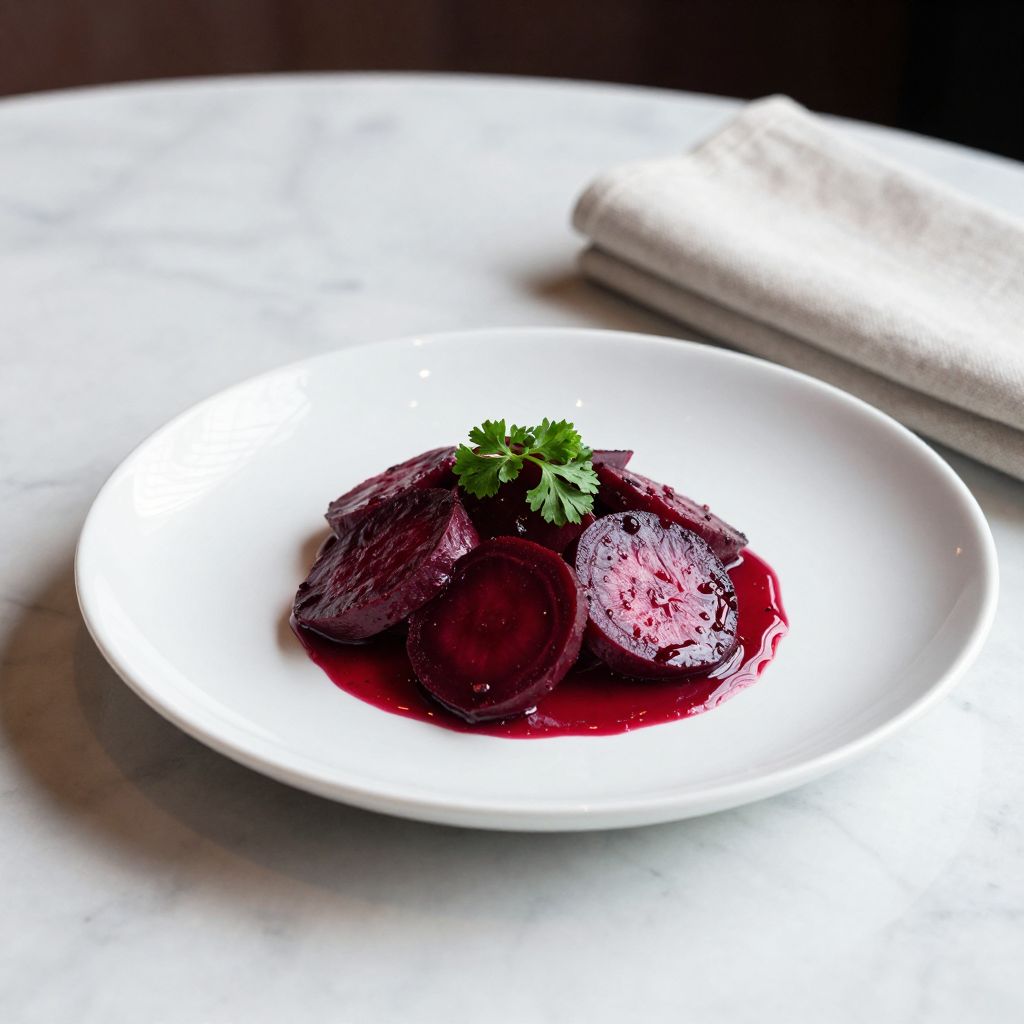
My family now requests this alongside nearly everything we grill. Once you taste how the tangy glaze clings to each slice, you’ll understand why this old-school side dish deserves a permanent spot on your menu.
Recipe Overview
- Recipe Name: Harvard Beets
- Servings: 6 to 8
- Prep Time: 10 minutes
- Cook Time: 20 minutes
- Total Time: 30 minutes
- Course: Side Dish
- Cuisine: American
- Calories per Serving: 85
Equipment You Will Need
- Large saucepan or skillet
- Cutting board
- Chef’s knife
- Wooden spoon for stirring
- Measuring cups and spoons
- Vegetable peeler (optional but helpful)
- Serving spoon
Ingredients for Harvard Beets
- 2 pounds fresh beets (about 6 to 8 medium beets), trimmed and peeled
- 3 tablespoons butter
- 2 tablespoons cornstarch
- 1/2 cup granulated sugar
- 1/2 cup apple cider vinegar
- 1/2 cup reserved beet cooking water or vegetable broth
- 1/4 teaspoon salt
- 1/4 teaspoon ground black pepper
- 1/4 teaspoon ground cloves (optional but recommended)
Ingredient Notes and Substitutions
- Fresh beets: These give you the best texture and flavor, but canned or vacuum-sealed beets work in a pinch. Fresh beets need roasting or boiling first, while canned beets can go straight into the sauce.
- Apple cider vinegar: This provides the signature tangy flavor with a hint of apple sweetness. White vinegar works if you prefer a sharper bite, but it lacks the depth.
- Butter: Adds richness and helps the sauce coat the beets beautifully. Coconut oil or margarine works if needed, though butter tastes best.
- Cornstarch: This thickens the sauce so it clings to each beet slice. Arrowroot powder creates a similar effect with a slightly more delicate texture.
- Ground cloves: They add warmth and complexity that elevates this from simple to special. You can skip them for a cleaner flavor, but they’re worth trying.
How to Make Harvard Beets
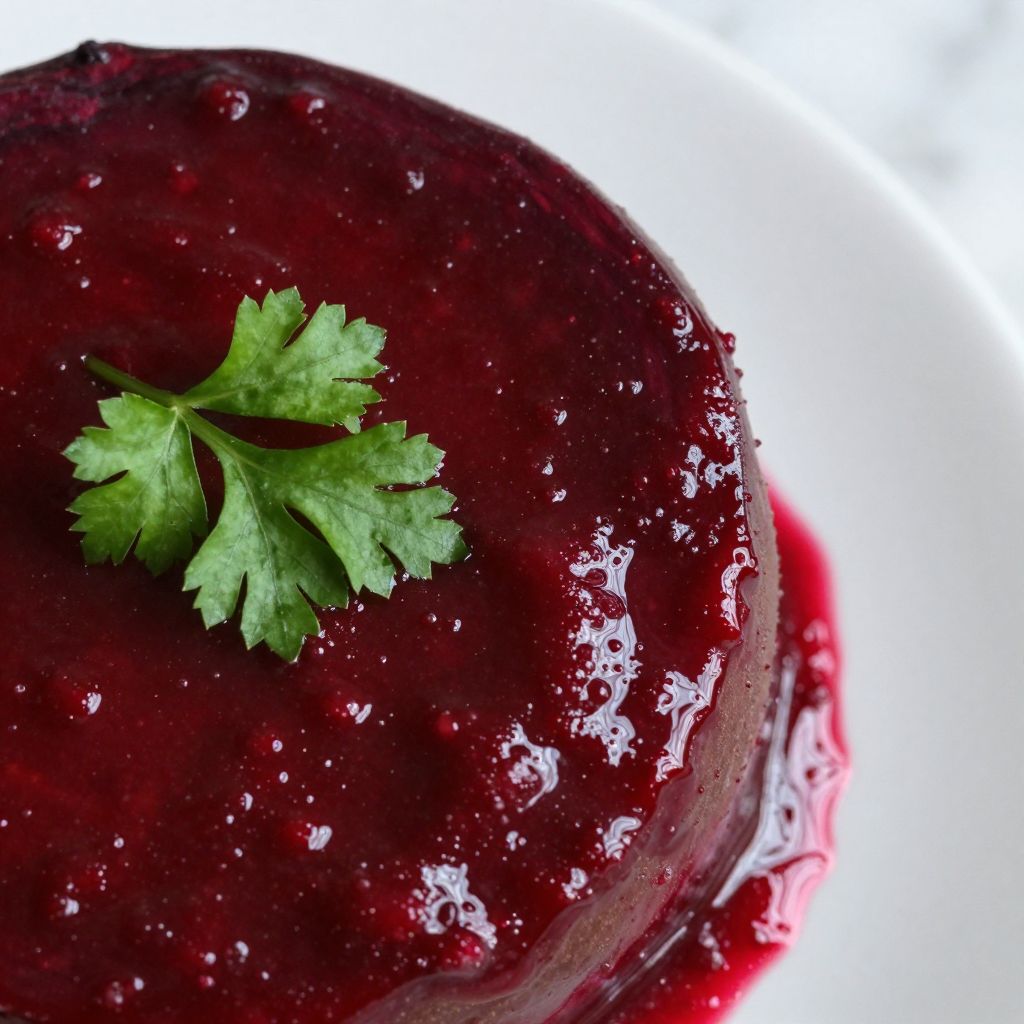
Step 1: Prepare and Cook the Beets
Trim the tops and roots from fresh beets, then peel them under cool running water. Cut each beet into thin slices or matchsticks, about 1/4 inch thick, so they cook evenly and absorb the sauce quickly.
Place the prepared beets in a large saucepan and cover with cold water. Bring to a boil over high heat, then reduce to a simmer for about 8 to 10 minutes until the beets are just tender but still hold their shape. This cooking time depends on how thin you cut them, so check a piece around the 8-minute mark.
Step 2: Reserve the Cooking Water
Carefully pour the beets into a colander and let them drain well. Reserve 1/2 cup of the cooking water, as this liquid adds subtle beet flavor to your sauce and is much better than using plain water.
Set the drained beets aside on a plate or bowl. The residual heat will keep them warm while you build the sauce.
Step 3: Melt the Butter
Return the same saucepan to medium heat and add the 3 tablespoons of butter. Let it melt completely, swirling the pan gently so it melts evenly.
Once the butter is foaming and fragrant, you’re ready to add the cornstarch. Never skip melting the butter first, as this helps distribute the cornstarch smoothly without lumps.
Step 4: Create a Slurry with Cornstarch
Sprinkle the 2 tablespoons of cornstarch over the melted butter and stir constantly for about 30 seconds. This short cooking time allows the cornstarch to hydrate slightly and prevents lumps when you add the liquid.
The mixture will look a bit sandy at first, which is exactly what you want. Cook this roux over medium heat for just a moment so the raw cornstarch flavor disappears.
Step 5: Add Sugar and Vinegar
Pour in the 1/2 cup of sugar and stir until it dissolves into the butter and cornstarch. The sugar should disappear almost immediately and create a smooth paste.
Add the 1/2 cup of apple cider vinegar slowly while stirring constantly. The vinegar will bubble slightly as it hits the hot pan, which is completely normal. Keep stirring to blend everything smoothly.
Step 6: Add the Liquid and Seasonings
Gradually pour in the 1/2 cup of reserved beet cooking water, stirring continuously to keep the sauce smooth and lump-free. The sauce will thicken visibly as you stir, and that’s exactly what should happen.
Season with 1/4 teaspoon of salt, 1/4 teaspoon of black pepper, and the 1/4 teaspoon of ground cloves if you’re using them. The cloves might seem like an odd addition, but they add a subtle warmth that makes people ask what your secret ingredient is.
Step 7: Simmer the Sauce
Let the sauce simmer gently over medium heat for about 2 minutes, stirring occasionally. The sauce should thicken noticeably and turn glossy and smooth, coating the back of your spoon.
Watch carefully during this step so the sauce doesn’t scorch on the bottom of the pan. If you see any lumps forming, strain the sauce through a fine mesh strainer to catch them before adding the beets.
Step 8: Combine Beets and Sauce
Add the cooked, drained beets to the saucepan and stir gently until every piece is coated in the glossy sauce. The sauce will continue to coat the beets as they sit, so don’t worry if it seems like a lot of liquid at first.
Cook everything together for another 2 to 3 minutes over medium heat, stirring occasionally. Taste a piece and adjust the seasoning, adding more salt, vinegar, or sugar if needed.
Step 9: Final Check and Rest
Remove the pan from heat and let the Harvard Beets rest for about 5 minutes. This resting period allows the flavors to meld and the sauce to thicken slightly more as everything cools.
If the sauce seems too thin, you can simmer for another minute or two. If it’s too thick, add a splash of water or broth a teaspoon at a time until you reach the right consistency.
Pro Tip: Make Harvard Beets up to 2 days ahead and reheat gently before serving. The flavors actually deepen as they sit, so this dish tastes even better the next day.
Tips for the Best Harvard Beets
- Cut your beets consistently so they cook at the same rate and absorb sauce evenly. Uneven pieces will result in some that are mushy and others still firm.
- Don’t skip the cloves if you want authentic flavor, but start with just 1/4 teaspoon to avoid overpowering the dish. You can always add more next time.
- Use fresh beet cooking water instead of plain water or broth for subtler beet flavor that ties everything together. This small step makes a noticeable difference.
- Stir the sauce constantly when adding the vinegar and liquid to avoid lumps and achieve a smooth, glossy finish. A smooth sauce looks and tastes far better than a bumpy one.
- Keep the heat at medium or medium-low once the sauce is made to prevent it from breaking or becoming too thin. High heat can cause the cornstarch to break down.
Common Mistakes to Avoid
- Overcooking the beets before they go into the sauce. They should be just tender, not mushy, so they hold their shape and don’t turn to mush when simmered in the sauce.
- Adding cornstarch directly to cold liquid instead of blooming it in hot butter first. This creates lumps that ruin the silky texture of your sauce.
- Using bottled beet juice instead of fresh beets and their cooking water. The juice lacks the depth and complexity that fresh beets bring to this dish.
- Skipping the cloves entirely because you think they sound odd. One-quarter teaspoon adds warmth without any obvious spice flavor, and most people won’t identify it as cloves.
- Boiling the sauce after the beets are added instead of gently simmering it. High heat can break down the cornstarch and thin out your glossy sauce.
Serving Suggestions
Harvard Beets shine alongside nearly anything you cook for dinner, from simple weeknight proteins to fancy holiday menus. The tangy sweetness pairs especially well with rich, savory mains that need a bright counterpoint.
- Roasted pork chops or pork tenderloin, where the vinegar cuts through the richness
- Herb-roasted chicken breasts or a whole roasted bird for a classic pairing
- Grilled steak or pot roast, where the sweetness balances the savory meat
- Baked or broiled fish, particularly salmon or trout, for a fresh, balanced plate
- A vegetarian grain bowl with quinoa, feta, and roasted vegetables for a meatless meal
Variations to Try
- Orange Harvard Beets: Substitute 1/4 cup of fresh orange juice for 1/4 cup of the reserved beet water and add 1 tablespoon of orange zest. The citrus adds brightness and pairs beautifully with the cloves.
- Spicy Harvard Beets: Add 1/4 to 1/2 teaspoon of cayenne pepper or a few pinches of red pepper flakes to the sauce. This gives the dish a subtle heat that builds with each bite.
- Ginger Harvard Beets: Include 1 tablespoon of fresh grated ginger when you add the cloves for a warm, slightly spicy kick. Ginger and beets are natural partners.
- Balsamic Harvard Beets: Use balsamic vinegar instead of apple cider vinegar for a deeper, more complex flavor with subtle sweetness. Reduce the sugar by 2 tablespoons since balsamic is naturally sweeter.
- Horseradish Harvard Beets: Stir in 1 to 2 teaspoons of fresh horseradish or prepared horseradish after cooking for a bold, peppery kick. This variation works wonderfully with beef or roasted potatoes.
Dietary Adaptations
- Gluten-Free: This recipe is naturally gluten-free as written, but always check your cornstarch package to confirm it wasn’t processed with gluten. No substitution needed.
- Dairy-Free: Replace the butter with coconut oil or a neutral plant-based oil in equal measure. The sauce will be just as creamy and delicious without any noticeable flavor change.
- Vegan: Use vegan butter or coconut oil instead of dairy butter, and the rest of the recipe stays the same. All other ingredients are already plant-based.
- Low-Carb or Keto: Reduce the sugar to 2 tablespoons and add 2 tablespoons of monk fruit sweetener or erythritol for sweetness without the carbs. The sauce will taste slightly less sweet but still perfectly balanced.
Storage and Reheating
Refrigerator
Transfer cooled Harvard Beets to an airtight container and store them in the refrigerator for up to 4 days. The flavors actually deepen as they sit, so they taste even better the next day.
- Store beets and sauce together in one container for easy grab-and-reheat meals
- The sauce will thicken more as it cools, which is completely normal
- If the sauce seems too thick when cold, it will loosen up as you reheat
Freezer
Harvard Beets freeze well for up to 3 months, though the texture of the beets becomes slightly softer. The sauce freezes beautifully and maintains its flavor.
- Freeze in portions for easy weeknight sides
- Thaw overnight in the refrigerator before reheating
- You can reheat directly from frozen if short on time, adding a few extra minutes to the heating time
Reheating
Reheat Harvard Beets gently over medium-low heat in a saucepan, stirring occasionally, for about 5 to 8 minutes until warmed through. Add a splash of water if the sauce has thickened too much during storage.
- Microwave method: Transfer to a microwave-safe container and heat in 1-minute intervals, stirring between each, until warm throughout
- Avoid high heat, which can cause the sauce to break down or the beets to become mushy
- Taste and adjust seasoning after reheating, as flavors can mellow slightly
Nutrition Information
| Nutrient | Amount |
|---|---|
| Calories | 85 |
| Total Fat | 4.5g |
| Saturated Fat | 2.8g |
| Carbohydrates | 12g |
| Fiber | 1.5g |
| Sugar | 10g |
| Protein | 1.2g |
| Sodium | 148mg |
| Cholesterol | 11mg |
These values are approximate and based on standard ingredient amounts and serving sizes. Individual nutrition will vary based on the specific products you use and how you portion the recipe.
Frequently Asked Questions
Can I use canned beets instead of fresh?
Yes, canned or vacuum-sealed beets work in a pinch and cut your prep time dramatically. Drain them well and start at Step 3, omitting the cooking water and using regular vegetable broth instead.
How far ahead can I make Harvard Beets?
Make them up to 2 days in advance and store them in an airtight container in the refrigerator. The flavors deepen as they sit, so they often taste better on day two than the day you make them.
What if my sauce is too thin or too thick?
If too thin, simmer for another minute or two and the cornstarch will continue to thicken it. If too thick, add water or broth a teaspoon at a time until you reach the right consistency.
Can I make this without cornstarch?
Yes, skip the cornstarch and melt the butter, then add the sugar and vinegar to create a thinner sauce without thickener. The beets will still taste wonderful, but you’ll have more of a loose glaze than a thick coating.
Why does my sauce taste flat or one-dimensional?
You might need to add the cloves, which add warmth and complexity that round out the flavors. Also taste for balance: a pinch more salt brings everything forward, and a splash more vinegar adds brightness if needed.
Can I double this recipe?
Absolutely, just double all the ingredients and use a larger saucepan to prevent overcrowding. The cooking times remain about the same since you’re still simmering rather than boiling.
Final Thoughts
Harvard Beets deserve a permanent place on your dinner table rotation. Once you taste how the bright, tangy sauce clings to each perfectly tender slice, you’ll wonder why you ever skipped this classic side dish.
Make this recipe this week and watch how it transforms a simple weeknight dinner into something that feels a bit special. Your family and guests will keep asking for this one, and you’ll have a foolproof recipe to pull out whenever you need a side dish that actually impresses.
Looking for more classic American side dishes and vegetable recipes? Explore our collection of tried-and-true recipes at Harvard Beets Recipe and discover new favorites to round out your meal planning.
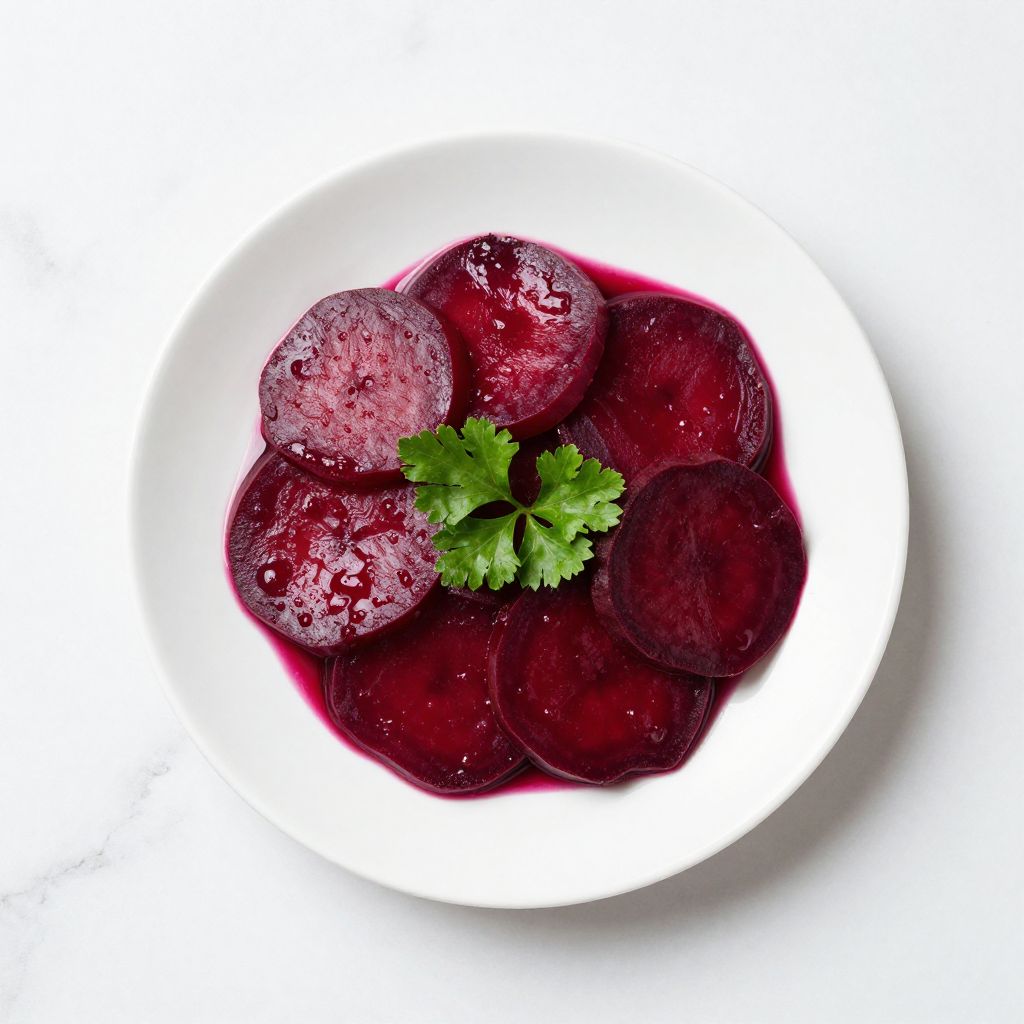
Harvard Beets
Ingredients
Equipment
Method
- Trim the tops and roots from the beets, peel under cool running water, and slice into 1/4-inch thick pieces. Place in a large saucepan, cover with cold water, bring to a boil over high heat, then reduce to a simmer and cook for 8 to 10 minutes until just tender.
- Drain the beets, reserving 1/2 cup of the cooking water, and set the beets aside on a plate.
- Return the empty saucepan to medium heat and melt 3 tablespoons of butter until foaming.
- Sprinkle 2 tablespoons of cornstarch over the melted butter and stir constantly for about 30 seconds to form a smooth roux.
- Add 1/2 cup granulated sugar and stir until dissolved, then slowly pour in 1/2 cup apple cider vinegar while stirring constantly.
- Gradually stir in 1/2 cup reserved beet cooking water, then season with 1/4 teaspoon salt, 1/4 teaspoon black pepper, and 1/4 teaspoon ground cloves.
- Let the sauce simmer gently over medium heat for 2 minutes, stirring occasionally, until thick and glossy.
- Add the cooked beets to the sauce and stir gently to coat; cook for another 2 to 3 minutes over medium heat.
- Remove from heat and let the Harvard Beets rest for 5 minutes before serving.