
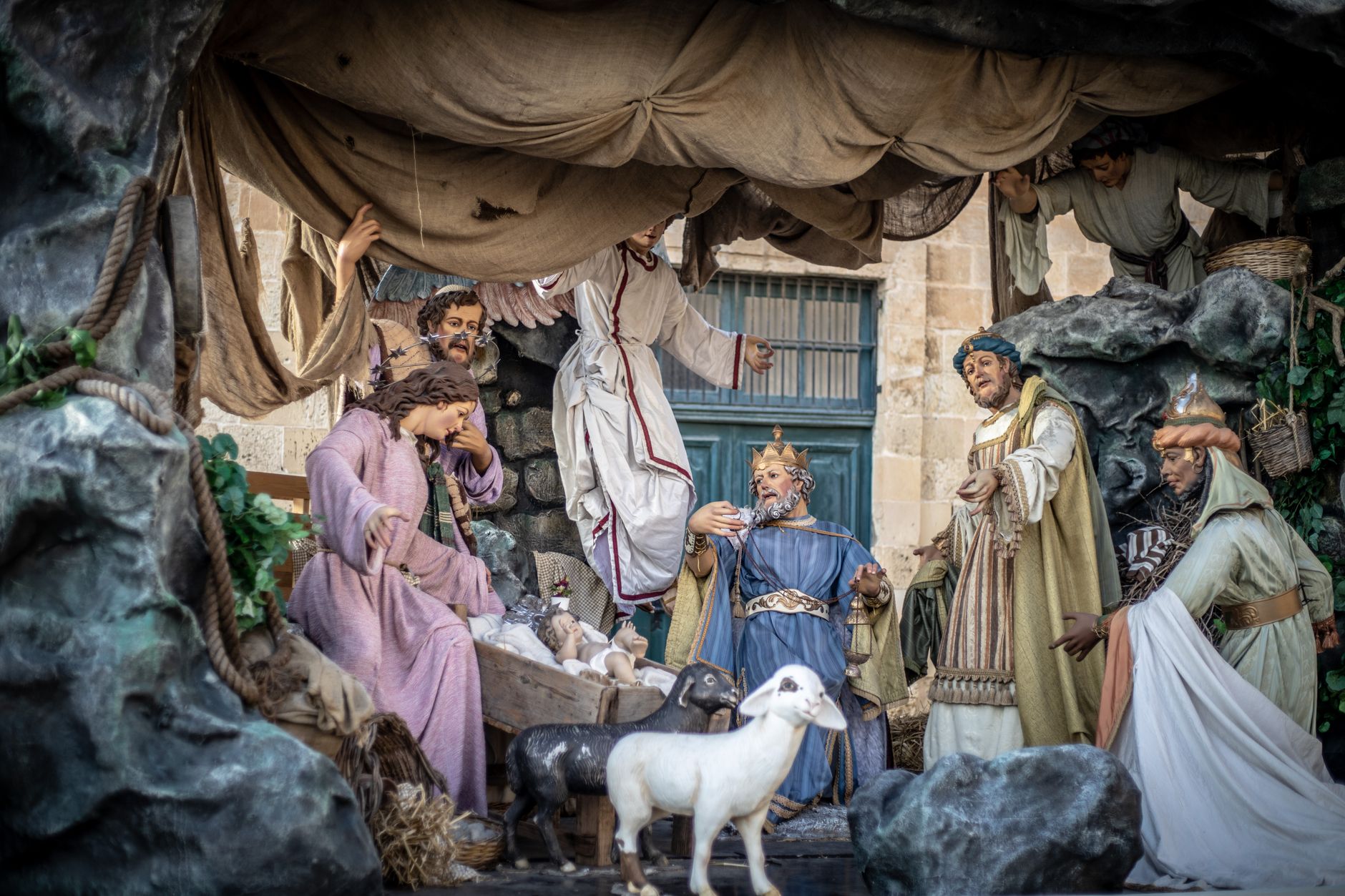
The journey of the Wise Men, or Magi, to visit the newborn Jesus is a story rich with symbolism and significance within Christian tradition. However, many wonder how long this journey actually took. While the Bible does not specify the exact duration, we can piece together clues from scripture and historical context to gain insight into this profound event.
Understanding this journey involves understanding the geography of the ancient world and the cultural meaning behind the Magi’s visit. Let’s delve into the details surrounding their trip, the cultural implications, and the spiritual lessons that can be drawn from it.
How Long Did It Take the Wise Men to Get to Jesus?
While the Bible does not provide a specific timeframe for the Wise Men’s journey, most scholars suggest that navigating from their presumed homeland—possibly Persia or Babylon—would have taken weeks or even months. The distance they traveled, combined with the challenges of travel in the ancient world, contributes to this estimate.
The traditional narrative found in the Gospel of Matthew (Matthew 2:1-12) describes the Magi following a star to find the ‘King of the Jews.’ It is generally understood that they arrived some time after Jesus’ birth, possibly when he was between one and two years old. This suggests that their journey was not only lengthy but also filled with intention and devotion.
The Geographical Context of the Journey
The journey of the Wise Men likely began in regions of the ancient Near East. The most common scholarly consensus places them in areas of modern-day Iran or Iraq. The approximate distance traveled is significant; by land, it is around 800 to 1,000 miles.
- Cultural factors: Traveling by caravan was common, and the Magi were likely part of a group, which would provide safety and camaraderie on the road.
- Environmental challenges: The terrain would have posed numerous hardships, including deserts, mountains, and varying weather conditions, potentially extending their travel time.
- Political circumstances: Given the historical context of the era, there would be occasions for delays due to local authorities or political unrest along the route.
The Symbolism of the Star
The star referenced in the Magi’s journey holds deep spiritual significance. Many theologians interpret the star not merely as a celestial body but as a divine sign, guiding the seekers to Jesus. This adds a layer of spiritual dimension to their journey.
Some interpretations suggest that the star symbolized hope and guidance, particularly for those who seek truth and meaning. The notion that God guides spiritual seekers through signs is a theme found throughout scripture.
Lessons from the Magi’s Journey
The journey of the Wise Men offers spiritual lessons that transcend mere historical interest. Here are a few reflections based on their story:
- Perseverance in Seeking: The Wise Men did not waver in their quest despite the potential dangers and uncertainties. This teaches the importance of commitment in our spiritual journeys.
- Embracing Diversity: The inclusion of the Magi, who were likely from a different cultural background, highlights the universal appeal of the message of Jesus. It serves as a reminder that wisdom and truth can come from various cultures and traditions.
- Gifts of the Spirit: The gifts of gold, frankincense, and myrrh brought by the Wise Men symbolize various virtues—wealth, divinity, and mortality, respectively. They can be in-depth meditations on what we choose to offer in our spiritual lives.
Exploring the Spiritual Practices Around This Story
This narrative invites us to engage in various spiritual practices that deepen our understanding and reflection. Here are practical suggestions for spiritual engagement:
- Prayer and Meditation: Spend time in prayer or meditation, reflecting on the journey of the Wise Men. Consider the ways in which you actively seek guidance in your own life.
- Study Scripture: Engaging with scriptural texts can deepen your understanding. Read Matthew 2:1-12 and consider its implications within the broader context of the Gospel.
- Community Discussion: Sharing insights with a faith community can enrich understanding. Discuss the implications of the Magi’s visit and its significance for people of faith today.
- Acts of Kindness: Following the example of the Magi, consider performing acts of kindness as a way of offering gifts to others in your community.
Historical Context of the Magi
The Magi likely belonged to a priestly caste known for their knowledge of astrology, medicine, and sacred texts. They were not simply scholars; their practice had significant implications for spirituality and governance within their regions.
In ancient cultures, celestial events were often interpreted as divine messages. This context underlines the significance of the star that guided the Wise Men to Jesus. Their journey is a testament to the inherent human search for meaning amidst mystery and wonder.
The Role of the Magi in Christian Tradition
In Christian tradition, the Magi’s journey is often celebrated in connection with the Feast of Epiphany, recognized in various denominations of Christianity. This feast commemorates the revelation of Christ to the Gentiles, represented by the visit of the Wise Men.
- Reflections of Worship: The act of worship by the Magi serves as a model for believers. Their recognition of Jesus’ significance is something that Christians are called to emulate.
- Interfaith Insights: The Magi’s visit encourages interfaith dialogue, showing that the divine can be sought and celebrated in various faith traditions.
- Importance of Symbolism: The gifts brought by the Wise Men are steeped in meaning, each representing profound spiritual truths that continue to resonate today.
Modern Interpretations and Application
Contemporary believers often interpret the Magi’s journey through various lenses, including personal spiritual journeys, the quest for moral insight, and cultural inclusivity. This narrative continues to inspire discussions about the nature of faith and revelation in today’s world.
Integrating Ancient Wisdom into Contemporary Life
As we consider the Wise Men, reflecting on how their story can influence our lives today is valuable. This involves:
- Seeking Wisdom: How can you incorporate wisdom-seeking into your daily routine? Consider the sources from which you draw insight.
- Being Open to Guidance: Are you open to signs and guidance in your life? Observing your surroundings and remaining open-minded can lead to new spiritual insights.
- Celebrating Diversity: How do you engage with those of different beliefs? Embracing diversity enriches understanding and broadens perspectives.
Personal Reflection on the Wise Men’s Journey
To personalize the journey of the Wise Men, consider taking time to reflect on your own path. Ask yourself questions such as:
- What spiritual insights are you seeking today?
- How do you recognize signs of guidance in your life?
- In what ways can you embody the generosity of the Magi in your interactions with others?
Conclusion
The journey of the Wise Men to visit Jesus is a narrative filled with deep spiritual meaning and cultural significance. While the exact time it took them to reach Jesus remains unknown, the journey itself embodies the essence of seeking wisdom and truth. Their story invites reflection on our own journeys and the universal quest for meaning, reconciliation, and understanding.
As you consider this narrative, you may find inspiration to engage further with your spiritual practices or reflections. Explore scripture, meditate on the meanings behind the gifts, or participate actively in discussions that promote interfaith understanding. Each of these practices can help nourish your spiritual life.
To delve deeper into topics relating to faith and spirituality, consider reading articles such as Bible Verses About Food for the Soul and Prayers for Dinner. Each piece offers unique perspectives on nurturing the spirit and cultivating a wholesome approach to life.