
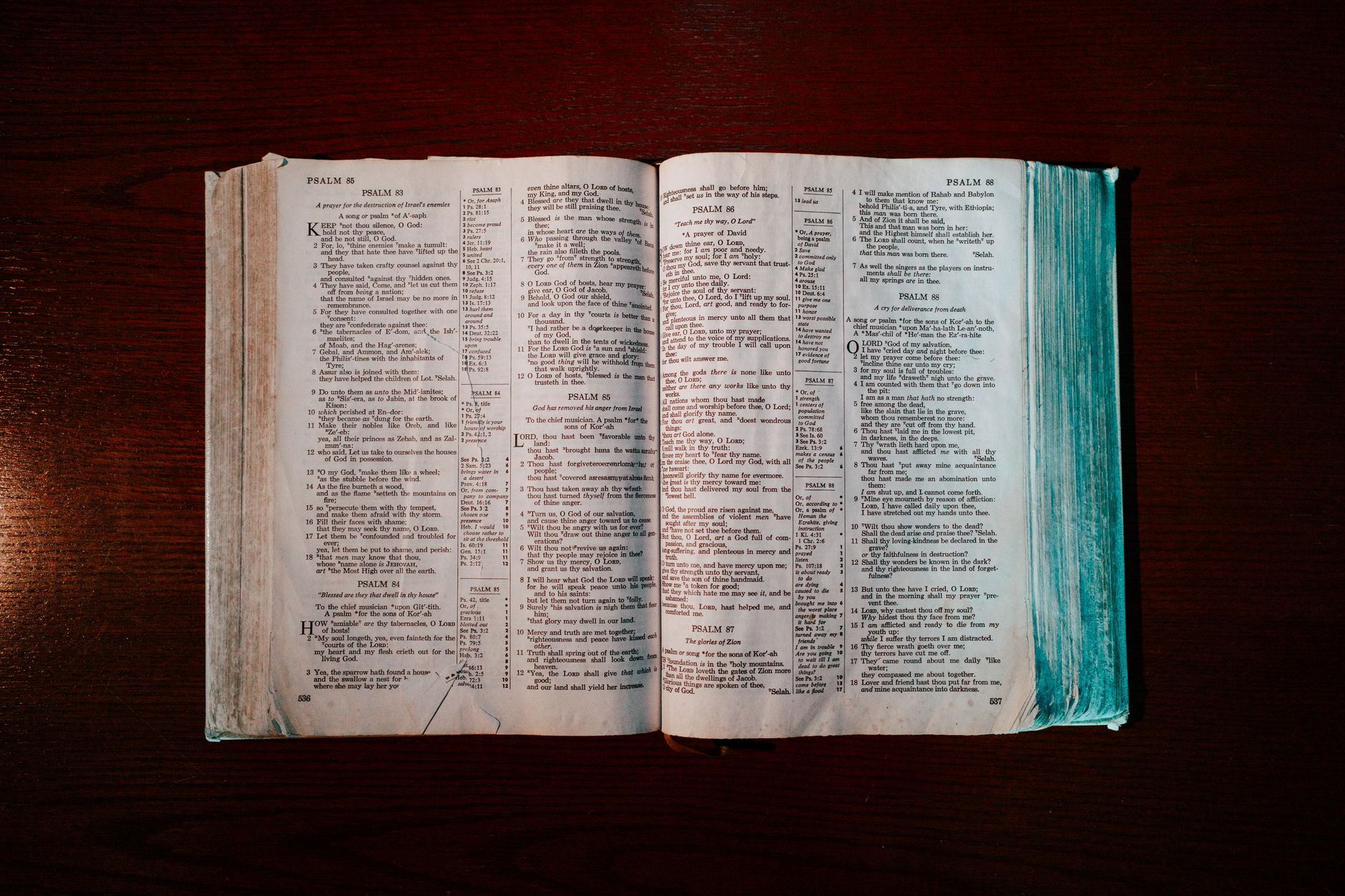
The practice of fasting holds significant meaning in many religious traditions, serving as a tool for spiritual growth, reflection, and connection to the divine. Among the various biblical figures, Jesus stands out, particularly for His forty-day fast in the wilderness. Understanding the duration and significance of this fast not only sheds light on Jesus’s personal journey but also offers insights into the broader themes of fasting in Christianity.
This article will explore the timeline of Jesus’s fast, its implications for spiritual practice, and how it reflects the concept of sacrifice and devotion in the Christian faith. By delving into Scripture and historical context, readers will gain a deeper appreciation for fasting as a spiritual discipline.
How Long Did Jesus Fast?
According to the Gospels, Jesus fasted for forty days and forty nights. This duration, while circumstantial to Jesus’s specific experience, resonates with other instances of forty-day periods found throughout the Bible, symbolizing a time of testing, preparation, and divine revelation.
The primary references for Jesus’s fast can be found in the synoptic Gospels: Matthew, Mark, and Luke. Each account shares the same core elements but with slight variations that enrich the understanding of this significant event.
Biblical Accounts of Jesus’s Fast
The Gospel of Matthew
In Matthew 4:1-11, it is detailed that immediately after Jesus’s baptism, He was led by the Spirit into the wilderness to be tempted by the devil. The passage establishes the context of His fast as a period of solitude and spiritual warfare. Matthew notes:
“Then Jesus was led up by the Spirit into the wilderness to be tempted by the devil. And after fasting forty days and forty nights, he was hungry.” (Matthew 4:1-2, ESV)
This emphasizes not only the duration of the fast but also Jesus’s vulnerability to physical hunger as a part of His human experience.
The Gospel of Mark
Mark’s account (1:12-13) is more succinct but equally significant. He writes:
“The Spirit immediately drove him out into the wilderness. And he was in the wilderness forty days, being tempted by Satan. And he was with the wild animals, and the angels were ministering to him.” (Mark 1:12-13, ESV)
Here, the emphasis on the angels ministering to Him suggests a divine provision during His time of trial.
The Gospel of Luke
In Luke 4:1-13, the narrative is similar to that of Matthew but expands upon the temptations themselves. Luke highlights a relationship between the fast and the spiritual authority Jesus needed to fulfill His mission. He writes:
“And Jesus, full of the Holy Spirit, returned from the Jordan and was led by the Spirit in the wilderness for forty days, being tempted by the devil.” (Luke 4:1-2, ESV)
This highlights that Jesus’s fast occurred not just as an act of self-denial, but as part of His preparation for ministry.
The Significance of the Number 40
The number forty appears frequently in Scripture and often signifies a period of trial, testing, and transformation. Key examples include:
- **The Israelite Exodus**: The Israelites wandered in the desert for forty years before entering the Promised Land (Deuteronomy 8:2).
- **Moses**: He spent forty days on Mount Sinai before receiving the Ten Commandments (Exodus 34:28).
- **Elijah**: The prophet traveled for forty days and nights to reach Horeb (1 Kings 19:8).
These instances establish a tradition where the number forty denotes a preparation phase linked to significant spiritual encounters or missions. Jesus’s fast can thus be seen as a culmination of this pattern, preparing Him for His ministry and the temptations He would face.
The Purpose of Fasting in Christianity
Fasting is prevalent in various Christian traditions, serving multiple purposes, including:
- Spiritual Cleansing: Fasting can promote a sense of purification, clearing distractions and allowing for deeper spiritual contemplation.
- Increased Prayer and Reflection: Many Christians fast as a way to heighten their prayer life, seeking a closer connection to God.
- Dedicating Time for God: Fasting often requires setting aside normal routines, which can help believers devote more time to spiritual practices.
- Solidarity with the Poor: Fasting can also serve as a reminder of those in need, prompting acts of charity and compassion.
Jesus’s example of fasting emphasizes that it is not just about abstaining from food but about fostering a deeper relationship with God through intentional practices.
Practical Aspects of Fasting
For those considering fasting as a spiritual discipline, here are some practical considerations:
Preparing for a Fast
- Set Clear Intentions: Understand why you are fasting, whether it’s for personal growth, seeking guidance, or interceding for others.
- Consult with a Spiritual Leader: If you are part of a faith community, speaking with a pastor or spiritual advisor can provide insight and support.
- Choose the Type of Fast: Decide what type of fast you will undertake, whether it’s a complete fast, partial fast (Abstaining from certain foods), or a fast of specific duration.
- Plan Your Schedule: Arrange your timeline, including start and end dates, and consider how you will incorporate prayer and meditation.
During the Fast
- Stay Spiritually Engaged: Utilize this time for prayer, scripture reading, and reflection. Journaling can help capture insights.
- Stay Hydrated: If applicable, ensure proper hydration, especially if it’s a prolonged fast.
- Avoid Temptation: Create an environment conducive to fasting; remove distractions that may hinder spiritual focus.
Concluding the Fast
After completing a fast, it’s important to transition gently back into regular eating. This might include:
- Starting with small portions of light foods.
- Continuing prayer and reflection to integrate the insights gained during the fast.
- Thanking God for the experience and insights received.
Fasting and Personal Spiritual Growth
Incorporating fasting into one’s spiritual practice can yield profound insights and personal growth. It teaches discipline, humility, and an increased reliance on God. Many have found that fasting enriches their prayer life and helps clarify their spiritual goals.
Considering the example set by Jesus, fasting can serve as an opportunity for believers to confront their own challenges and needs while drawing closer to the divine. It is a time of intentionality where the act of fasting is coupled with prayer, scripture reading, and spiritual reflection.
Fasting Across Different Christian Traditions
Fasting is practiced in various forms across different Christian denominations. Here are a few key examples:
Roman Catholicism
The Catholic Church observes fasting primarily during Lent, a season of penance leading up to Easter. Ash Wednesday and Good Friday are designated days of fasting, and many Catholics also choose to abstain from specific foods or luxuries during the Lenten season. Fasting here is coupled with prayer and acts of charity.
Eastern Orthodoxy
Orthodox Christians observe several fasting periods throughout the year, including Great Lent, which lasts for 40 days leading to Pascha (Easter), plus additional periods of fasting that follow a specific calendar. The tradition emphasizes not just abstention from certain foods but contemplation and prayer as foundational elements of fasting.
Protestant Traditions
Protestant denominations may vary widely in their approach to fasting. Some churches incorporate fasting during Lent or specific prayer events, while others practice fasting on an individual basis as led by personal or congregational guidance. Fasting is often more flexible, adapting to the needs and spirituality of the believer.
Reflection on the Role of Fasting in Faith
Fasting, particularly in the context of Jesus’s example, offers a rich avenue for spiritual growth. It encourages believers to evaluate their relationship with food, material possessions, and reliance on God. Through fasting, individuals confront their weaknesses and seek a deeper connection to their faith.
As individuals consider fasting, it can be fruitful to reflect on the following questions:
- What are my motivations for fasting?
- How can I frame my fasting experience within the context of prayer and spiritual growth?
- What do I believe God is calling me to through this fast?
Conclusion
Jesus’s forty-day fast is much more than a historical account; it serves as an enduring model for spiritual discipline and resilience. Fasting reminds the believer of their dependence on God and the need for spiritual nourishment beyond physical sustenance. As individuals engage in fasting, they encounter the dual realities of their humanity and the divine grace offered through prayer and connection to God.
For those embarking on their fasting journey, it is advisable to begin with clear intentions and supportive practices. Reflecting on the teachings and experiences of Jesus can provide the guidance and motivation needed to make fasting a meaningful part of one’s spiritual life.
For further insights into the role of meals and communal gatherings in spiritual practices, consider exploring Bible verses about eating together and prayers for dinner. These resources can inspire deep connections with both the divine and community, enhancing spiritual experiences through shared meals and fellowship.