
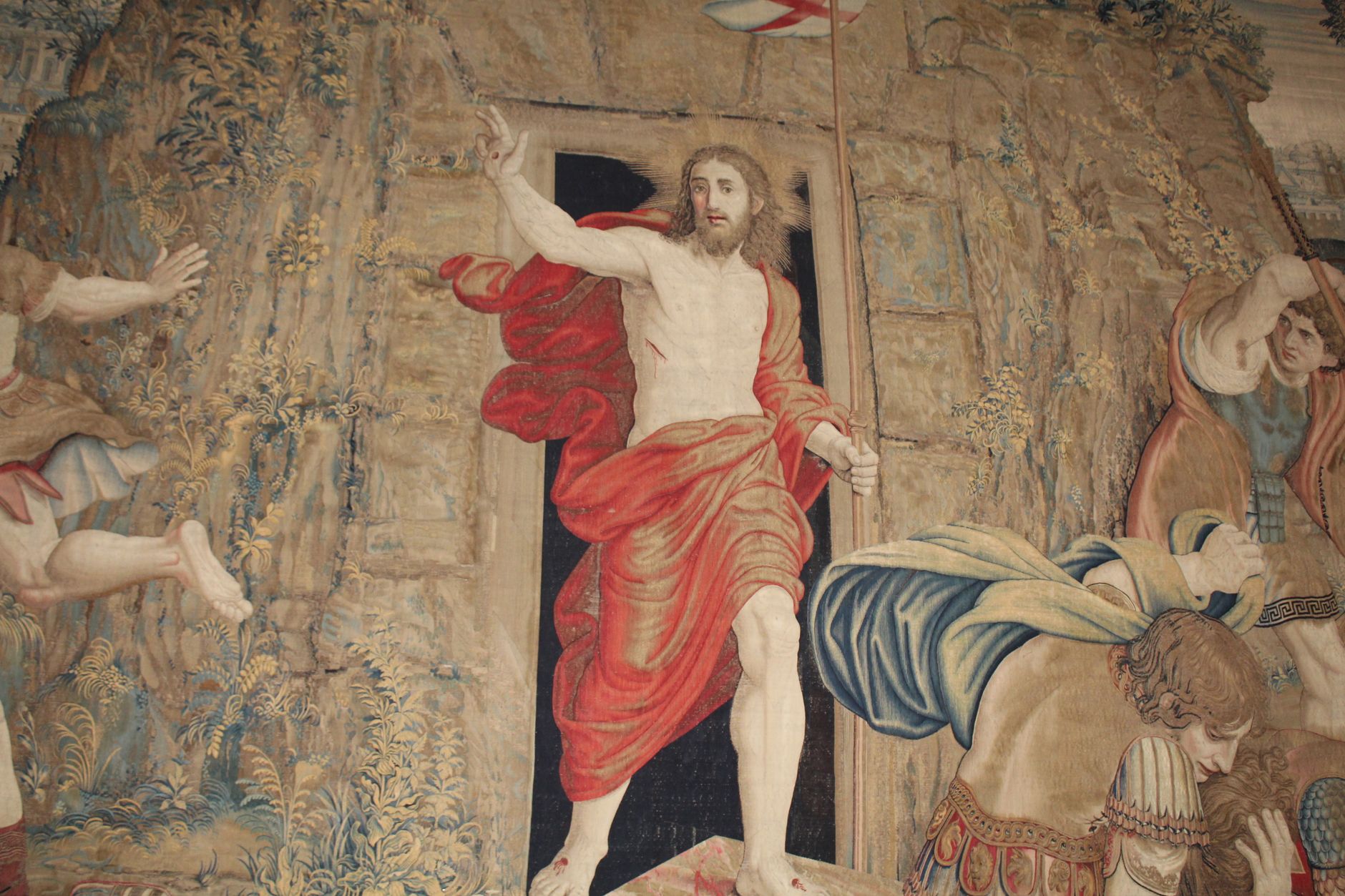
The question of how long Jesus remained on Earth after His resurrection is not just a matter of theological curiosity; it speaks to foundational aspects of Christian belief, the significance of the resurrection, and the promises of future hope. This topic can enhance our understanding of spiritual growth and the importance of community within the Christian tradition.
In exploring this topic, we will look into scriptural references, interpretations among various Christian denominations, and the broader implications of the resurrection in shaping faith and practice. We will also reflect on how these teachings inform personal spirituality and communal worship.
How Long Was Jesus on Earth After His Resurrection?
According to the New Testament, Jesus was on Earth for 40 days after His resurrection. This period is significant because it allowed Him to appear to His disciples, teaching and preparing them for the mission that lay ahead.
The Gospel of Acts (1:3) states that during these 40 days, Jesus “presented Himself alive to them after His suffering by many proofs, appearing to them during forty days and speaking about the kingdom of God.” This passage encapsulates the dual mission of Jesus: confirming His triumph over death and reinforcing the message of God’s kingdom.
Understanding the Scriptural Basis
The primary sources for the understanding of Jesus’ post-resurrection appearances and the length of His stay are found in the Gospels of Matthew, Mark, Luke, and John, along with the Book of Acts. Each provides unique perspectives but collectively corroborate the 40-day timeline.
The Gospel Accounts
- Matthew (28:16-20): This passage describes the Great Commission, where Jesus commands His disciples to go and make disciples of all nations. It shows His active engagement with His followers during this time.
- Mark (16:9-14): Mark details Jesus appearing first to Mary Magdalene and later to the disciples, emphasizing the importance of eyewitness testimony in establishing the resurrection narrative.
- Luke (24:36-49): Luke provides accounts of Jesus appearing to His followers, teaching them, and breaking bread, symbolizing fellowship and communion. Here, the notion of physical evidence (seeing and touching) of His resurrection is crucial.
- John (20:19-29): John recounts appearances of Jesus to the disciples in the upper room and Thomas’s encounter, emphasizing belief and the importance of faith in the unseen.
The Book of Acts
Acts continues with the thematic thread of Jesus teaching about the kingdom of God during the 40 days. In Acts 1:8, Jesus instructs His followers on their future role: “But you will receive power when the Holy Spirit has come upon you, and you will be my witnesses in Jerusalem and in all Judea and Samaria, and to the end of the earth.” This underscores the idea that the resurrection is not just an isolated event but foundational to the Church’s mission.
Theological Implications
The length of Jesus’ time on Earth after His resurrection invites a deeper theological reflection on several levels:
- Apostolic Authority: By appearing to His disciples for an extended period, Jesus affirmed their authority to preach and teach, laying the groundwork for the apostolic church.
- Clarification of Faith: The post-resurrection appearances provide credence to the belief in the resurrection, vital for the faith of early Christians who faced persecution and skepticism.
- The Nature of Hope: This period illustrates the hope that Christians hold—the promise of resurrection and life after death, central to Christian eschatology.
Differences Among Denominations
While the 40-day period is widely accepted among Christian denominations, some interpretations of its significance and implications may differ. Understanding these can foster interfaith dialogue and deeper insight into one’s own faith.
Catholic Perspective
In Catholic theology, the ascension of Jesus 40 days after Easter is crucial. It is commemorated with the Feast of the Ascension, emphasizing that Christ reigns in Heaven and sends the Holy Spirit, which is celebrated on Pentecost. The Church teaches that the continuity of Jesus’ presence in the sacraments, particularly the Eucharist, connects believers to Christ, even after His physical departure.
Protestant Perspective
Many Protestant denominations also recognize the significance of the 40 days but may place greater emphasis on the Great Commission and the empowerment of believers through the Holy Spirit for evangelism and mission work. The focus is often on the personal relationship with Christ and the importance of spreading the gospel message.
Orthodox Perspective
Orthodox Christianity also observes the period of Jesus’ post-resurrection appearances but integrates it into a broader mystical understanding of Christ’s triumph over death. The 40 days culminate in the Feast of the Ascension, celebrated with a sense of joy and hope for the life to come, continuing the engagement with the divine liturgy and the Sacraments.
Practicing Faith in Light of the Resurrection
Understanding the duration of Jesus’ time on Earth post-resurrection can inspire deeper reflection on personal faith and daily spiritual practice. Here are some practical steps to integrate this understanding into everyday life:
- Engage in Scripture Study: Set aside time to read the accounts of the resurrection and post-resurrection appearances. Reflect on what these teachings mean for your faith journey.
- Practice Communion: Participate in communal worship, including the Eucharist or communion, which connects believers back to the teachings and the continuing presence of Christ.
- Share Your Faith: Like the apostles, share the message of hope and the story of the resurrection with others in your community, encouraging dialogue and exploration.
- Engage in Prayer: Incorporate prayers of thanksgiving for the resurrection into your daily life. Use scripts from various traditions that focus on resurrection themes.
- Participate in Service: Embody the Great Commission by engaging in service projects within your local community, reflecting Christ’s love and message through action.
Reflection Questions
- How does the resurrection of Jesus shape your understanding of hope in your own life?
- In what ways can you deepen your relationship with Christ following the example of His teachings during the post-resurrection period?
- How can you share the message of resurrection faith with those around you?
The Lasting Impact of the Resurrection
Jesus’ resurrection and His time on Earth afterward fundamentally shaped the development of Christian theology and practice. It assures believers that death is not the end, but rather a transformation into a new life. This message has been central to Christian faith throughout history, inspiring hope and motivating action among adherents.
In reflecting upon Jesus’ resurrection and His purpose during those 40 days, believers may find encouragement to live out their faith more fully and to reach out to others with the good news of the resurrection that transcends the boundaries of time and space.
As we navigate our spiritual journeys, considering the impact of Jesus’ resurrection could lead to meaningful conversations and communal gatherings that celebrate shared beliefs while acknowledging the differences that enrich our traditions.
For those interested in further exploring the connection between faith and nourishment, consider reading about Bible verses about food or prayers for food. Each of these resources offers insights into how spiritual practices can be enriched through mindfulness around food and the acts of sharing and community.