
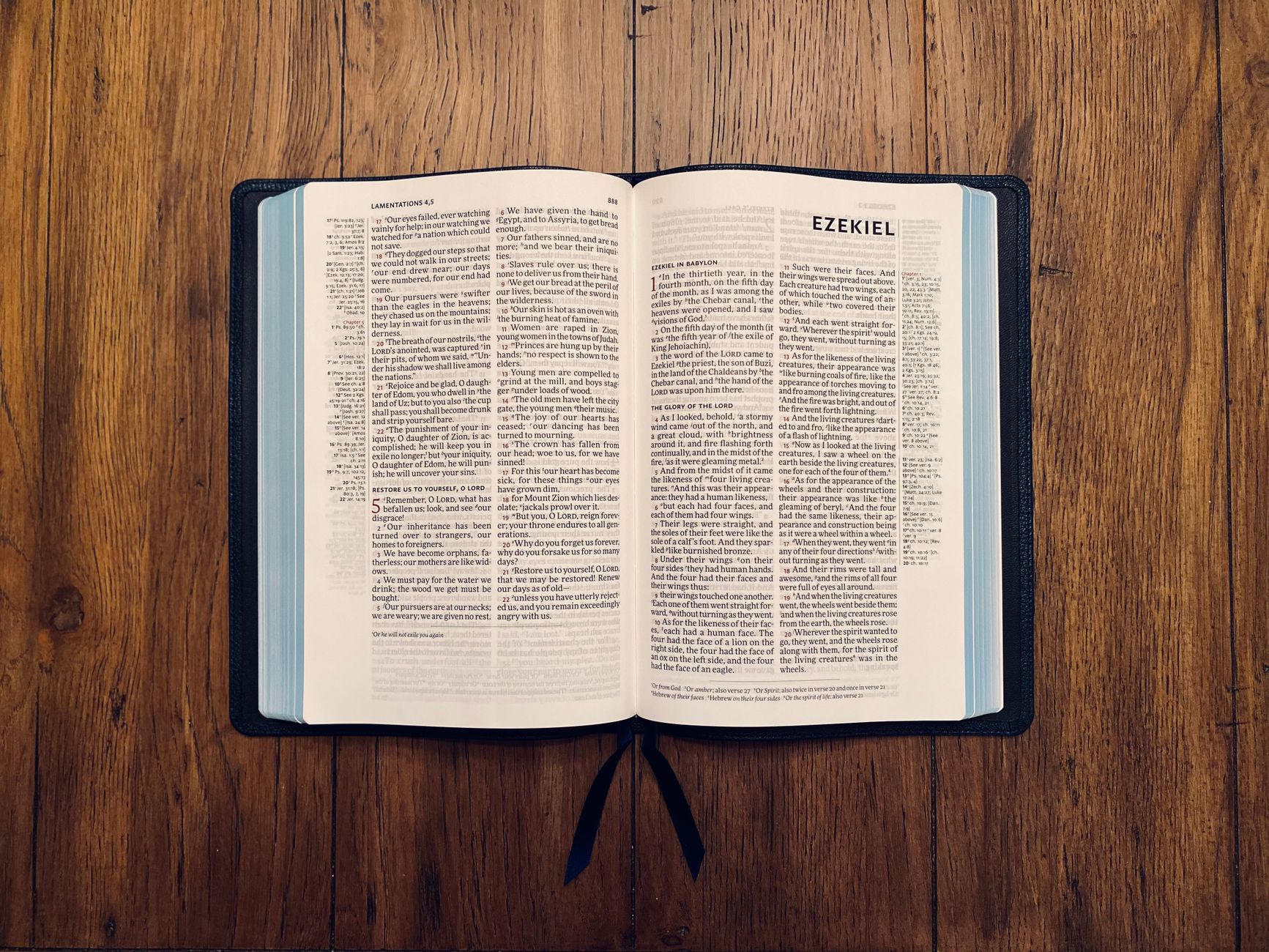
The structure of the Bible and the number of chapters within it can provide insight into its composition and the diverse narratives it contains. Understanding how many chapters are in the Bible helps readers navigate scripture effectively, especially for those seeking spiritual growth or specific teachings.
This article aims to explore the number of chapters in each book of the Bible, breaking it down into both the Old Testament and the New Testament, and provide an overview of the significance of this structure in various religious traditions.
How Many Chapters Are in the Bible?
The Bible, a sacred text in Christianity and important in other religions, consists of a total of 66 books, with 1,189 chapters overall, divided into two main sections: the Old Testament and the New Testament. Each book varies in its number of chapters, reflecting the length and depth of its narratives and teachings.
Breakdown of the Books and Their Chapters
To aid in understanding, here is the breakdown of the chapters per book in both the Old and New Testaments:
Old Testament
- Genesis – 50 chapters
- Exodus – 40 chapters
- Leviticus – 27 chapters
- Numbers – 36 chapters
- Deuteronomy – 34 chapters
- Joshua – 24 chapters
- Judges – 21 chapters
- Ruth – 4 chapters
- 1 Samuel – 31 chapters
- 2 Samuel – 24 chapters
- 1 Kings – 22 chapters
- 2 Kings – 25 chapters
- 1 Chronicles – 29 chapters
- 2 Chronicles – 36 chapters
- Ezra – 10 chapters
- Nehemiah – 13 chapters
- Esther – 10 chapters
- Job – 42 chapters
- Psalms – 150 chapters
- Proverbs – 31 chapters
- Ecclesiastes – 12 chapters
- Song of Solomon – 8 chapters
- Isaiah – 66 chapters
- Jeremiah – 52 chapters
- Lamentations – 5 chapters
- Ezekiel – 48 chapters
- Daniel – 12 chapters
- Hosea – 14 chapters
- Joel – 3 chapters
- Amos – 9 chapters
- Obadiah – 1 chapter
- Jonah – 4 chapters
- Micah – 7 chapters
- Nahum – 3 chapters
- Habakkuk – 3 chapters
- Zephaniah – 3 chapters
- Haggai – 2 chapters
- Zechariah – 14 chapters
- Malachi – 4 chapters
New Testament
- Matthew – 28 chapters
- Mark – 16 chapters
- Luke – 24 chapters
- John – 21 chapters
- Acts – 28 chapters
- Romans – 16 chapters
- 1 Corinthians – 16 chapters
- 2 Corinthians – 13 chapters
- Galatians – 6 chapters
- Ephesians – 6 chapters
- Philippians – 4 chapters
- Colossians – 4 chapters
- 1 Thessalonians – 5 chapters
- 2 Thessalonians – 3 chapters
- 1 Timothy – 6 chapters
- 2 Timothy – 4 chapters
- Titus – 3 chapters
- Philemon – 1 chapter
- Hebrews – 13 chapters
- James – 5 chapters
- 1 Peter – 5 chapters
- 2 Peter – 3 chapters
- 1 John – 5 chapters
- 2 John – 1 chapter
- 3 John – 1 chapter
- Jude – 1 chapter
- Revelation – 22 chapters
Total Count and Variations Among Traditions
Overall, the exact number of chapters in the Bible may vary slightly across different Christian traditions due to variations in the biblical canon. For example, the Catholic Bible includes the Deuterocanonical books, which are not present in the Protestant version. This leads to additional chapters being counted in Catholic and Orthodox traditions.
Understanding the Structure and Significance
The arrangement of chapters serves several purposes:
- Navigation: With so many books and messages, chapters facilitate easier referencing and memorization of passages.
- Thematic Organization: The division into chapters and verses can help identify thematic shifts and important teachings throughout the Bible.
- Historical Context: Chapter divisions often reflect editorial decisions made by translators aiming to clarify or interpret the text for contemporary audiences.
Spiritual Implications of Chapter Understanding
How does understanding the chapter structure of the Bible impact spiritual growth? Here are some ways:
- Focused Study: Knowing the number of chapters allows for dedicated study sessions, encouraging deeper exploration of theological themes.
- Memorization: As believers strive to commit scripture to memory, chapter divisions break the text into manageable portions.
- Encouragement for Reflection: Each chapter may invite reflection or meditation on its specific teachings and relevance to personal faith journeys.
Conclusion
Understanding the chapters in the Bible is not simply an academic exercise; it plays a crucial role in how individuals engage with their faith, providing a framework for exploration and application of scripture to everyday life. As readers delve into the sacred text, they can utilize this chapter breakdown to navigate, reflect, and grow spiritually.
As a practical next step, consider choosing a chapter from the Bible to study in-depth, reflecting on its teachings in the context of your spiritual journey. You might start with a book that resonates with you personally, whether it be a narrative, a letter, or a psalm.
For further exploration of faith and spiritual growth, consider reading more about Bible verses about food and prayers for food. These topics connect scripture with daily life and can enrich your spiritual practice.