
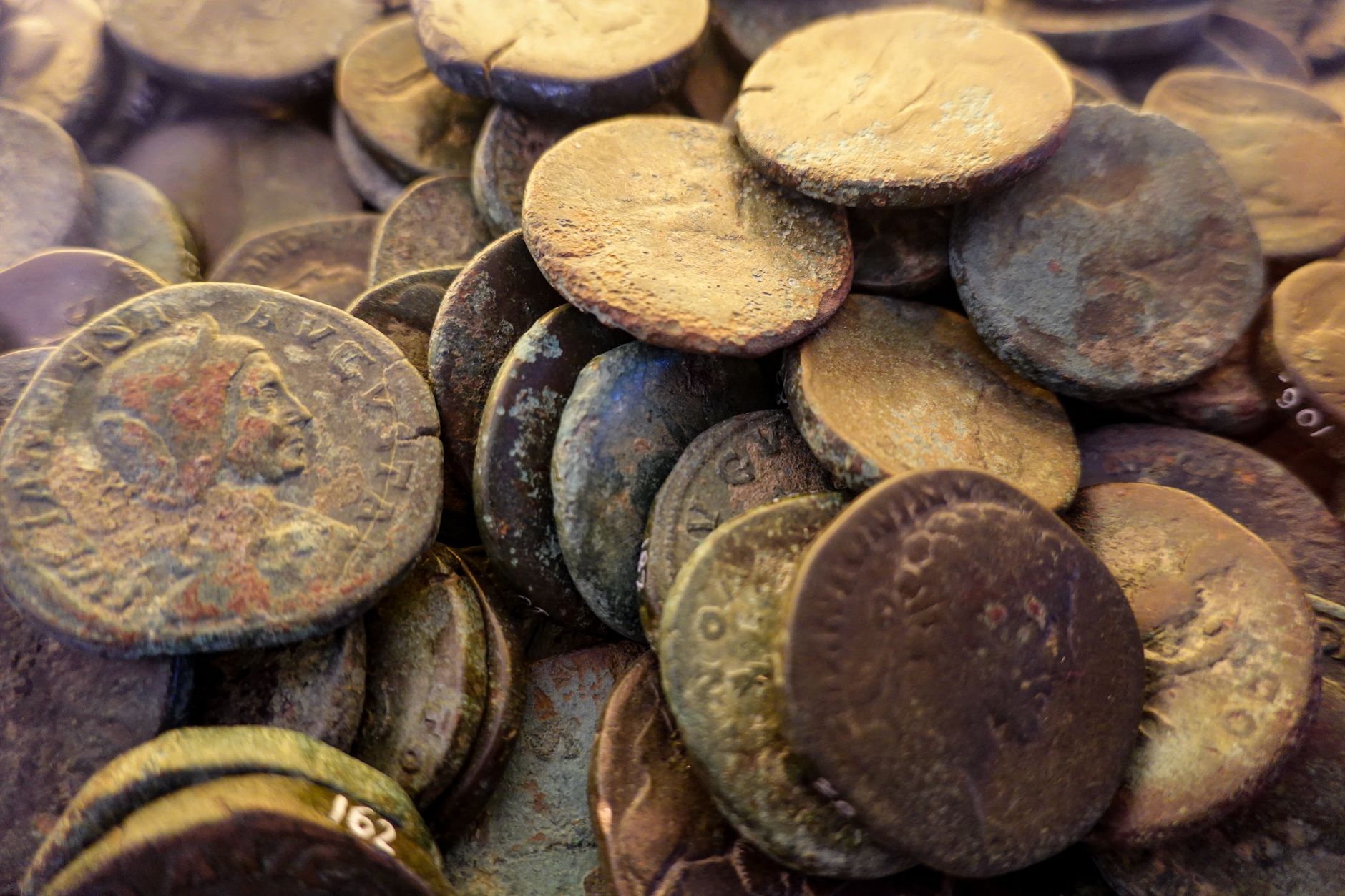
Understanding the historical and cultural significance of currency in biblical texts often raises questions about specific terms, such as “shekel.” This article seeks to explore what a shekel represented in the Bible, encompassing its economic value, spiritual connotations, and implications for the communities in biblical times.
The shekel is not only a unit of weight and currency but also holds deep historical significance, reflecting the socioeconomic environment in which it was used. By examining its role in various contexts, we can gain insight into its importance and the values of faith communities from ancient times to today.
How Much Is a Shekel in the Bible?
In biblical terms, a shekel can refer to different measures and values depending on the context. Generally, a shekel was a unit of weight, typically measuring around 11.4 grams in ancient times. When it comes to its monetary value, a shekel represented a certain amount of silver, which was commonly used in trade and transactions.
For example, the Price of a slave was calculated at 30 shekels of silver, which was a significant amount in the ancient Middle Eastern economy (see Exodus 21:32). Thus, when discussing the shekel, one must also consider the fluctuating economic factors and cultural practices that influenced its value over time.
The Context of Shekels in the Bible
Throughout the Bible, shekels appeared in various scenarios, illustrating the economy, cultural practices, and faith-related activities of the people. Understanding its use offers a broader perspective on the spiritual lives and ethical frameworks of those in biblical times.
1. Shekels in Religious Practices
Shekels played a crucial role in many religious practices within ancient Israelite society:
- Offerings and Sacrifices: Specific amounts of shekels were often required for different types of offerings, reflecting the economic sacrifices individuals and communities made to express their faith.
- Temple Tax: The annual temple tax was typically assessed at a half shekel, underscoring the financial obligations of the faithful in supporting the temple and its services (Exodus 30:13).
2. Economic Interactions
The economic context of the shekel helps us understand how ancient societies functioned:
- Trade: The shekel served as a medium of exchange in trade, facilitating transactions and relationships among communities.
- Debt and Redemption: Shekels were also linked to concepts of debt and redemption, where individuals could redeem the value of their labor or possessions through payment in shekels.
3. Symbolic Interpretations
Beyond its practical applications, the shekel holds various symbolic interpretations:
- Accountability: Just as individuals were held accountable for their financial dealings, the concept of shekels encourages believers to reflect on their responsibilities regarding generosity and justice within their communities.
- Spiritual Wealth: The notion of shekels can also be associated with spiritual wealth, emphasizing that true value lies in faith and ethical living rather than mere financial success.
Understanding Shekels in a Modern Context
The spiritual significance and historical importance of the shekel resonate even today as believers reflect on their own financial practices and ethical decisions. While the currency itself may no longer be in use, its implications for how we view wealth, accountability, and community service persist in contemporary faith traditions.
1. Economic Reflection in Faith
In modern practice, congregations and individuals can reflect on their relationship with money through the lens of scriptural teachings regarding the shekel. Some questions to ponder include:
- How do we prioritize our financial responsibilities within our communities and places of worship?
- What ethical considerations guide our financial decisions, and how do they align with our spiritual values?
2. Ethical Practices Relating to Wealth
Engaging in discussions about wealth and the ethical implications of financial practices can enhance communal understanding and spiritual growth:
- Practices such as tithing encourage followers to contribute to faith-based initiatives, reminiscent of the biblical temple tax.
- Supporting local charities and businesses fosters a spirit of community and aligns financial practices with spiritual values.
The Shekel in the New Testament
In the New Testament, the concept of money, including the shekel, evolves while maintaining its significance in conversations about faith, generosity, and accountability. Jesus often addressed financial matters to highlight a deeper truth about loyalty to God versus material wealth.
1. Teachings on Wealth
Key passages illustrate the relationship between wealth and faith:
- The Rich Young Ruler (Matthew 19:16-26): This story addresses the challenges of wealth and the temptation it poses, conveying that one’s value isn’t determined by material possessions.
- The Parable of the Talents (Matthew 25:14-30): Here, Jesus emphasizes responsibility over the resources entrusted to us, encouraging stewardship that reflects our spiritual commitments.
2. Spiritual Accountability
In early Christian communities, financial practices were interwoven with ethical living:
- Acts of sharing and community support became central, reflecting the biblical principles surrounding the shekel and broader stewardship.
- This commitment to communal wealth was not merely economic but deeply spiritual, underlining the essence of Christian practice.
The Spiritual Takeaway from Shekels
Overall, the exploration of the shekel in biblical texts invites a deeper understanding of how money and faith interact. It serves as a reminder to assess our financial practices through spiritual lenses. The importance of accountability, stewardship, and communal support can enhance personal and communal growth.
Practical Reflection on Shekels and Finances
Individuals seeking to draw lessons from the shekel in their faith practices can engage in the following exercises:
- Journaling: Reflect on your own financial practices, capturing thoughts about how they align with your values and beliefs.
- Community Giving: Identify local charities or needs within your community where you can contribute your time or resources, reinforcing the value of sharing.
- Scriptural Study: Engage with biblical passages related to wealth and stewardship, such as Proverbs 11:25, to guide your reflections.
Conclusion
The exploration of shekels in biblical contexts illustrates their multifaceted significance, addressing themes of economic interaction, spiritual accountability, and ethical living. As such, believers today can draw valuable lessons from these historic practices to strengthen their own financial responsibilities aligned with their spiritual commitments.
As a practical next step, consider exploring these themes further by reflecting on your connection to wealth and stewardship in your life. Delve into relevant biblical texts or consult with leaders in your faith community to enhance your understanding.
For those interested in diving deeper, you might find value in exploring articles about Bible Verses About Beer and Prayers for Alcoholics, which relate theological ideas to contemporary issues concerning alcohol and overall wellness.