
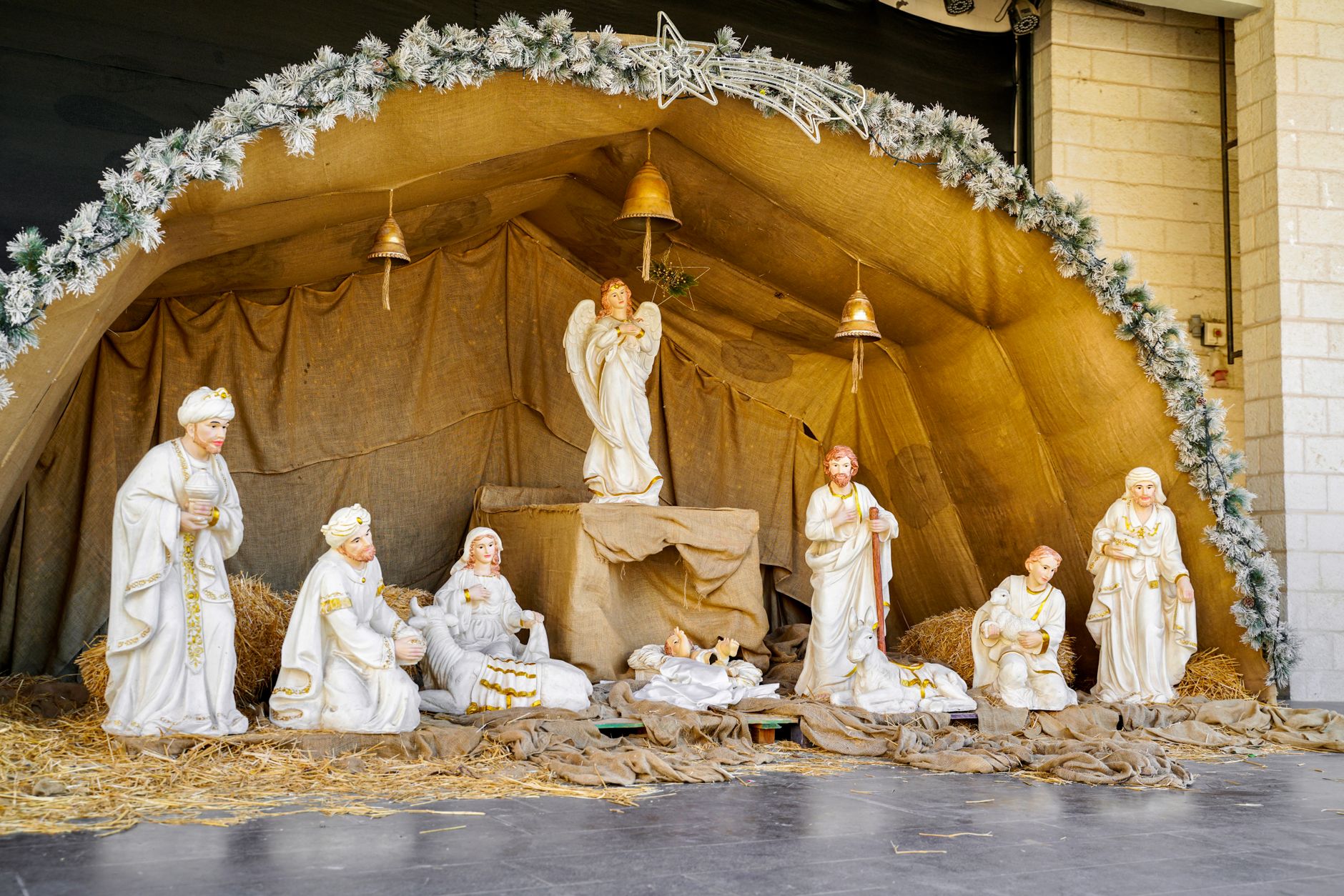
The arrival of the Wise Men, or Magi, in the biblical narrative has long been a topic of fascination and speculation for scholars and believers alike. Though the story is recounted in a few short verses in the Gospel of Matthew, its implications and interpretations stretch far beyond its humble text. Among the questions frequently posed is: How old was Jesus when the Wise Men came? This question not only reveals the timeline of an important biblical event but also invites us to explore deeper themes of faith, prophecy, and the nature of divine revelation.
Understanding the age of Jesus at this moment in history requires a nuanced look at the gospel accounts, historical context, and varying interpretations among Christian traditions. This exploration may enhance one’s appreciation of biblical narratives and serve as an invitation to reflect on individual spiritual journeys.
How Old Was Jesus When the Wise Men Came?
While the Gospel of Matthew does not provide an explicit age for Jesus when the Wise Men arrived, historical and scriptural interpretations suggest that he may have been anywhere from a few weeks to as old as two years. This speculation largely stems from the account detailing Herod’s reaction to the Wise Men’s visit.
The Biblical Account
The account of the Wise Men visiting Jesus is located in Matthew 2:1-12. This passage describes how they traveled from the East, guided by a star, to bring gifts of gold, frankincense, and myrrh to the newborn king.
- **Matthew 2:1-2 (NIV)**: “After Jesus was born in Bethlehem in Judea, during the time of King Herod, Magi from the east came to Jerusalem and asked, ‘Where is the one who has been born king of the Jews? We saw his star when it rose and have come to worship him.’”
- **Matthew 2:7-8 (NIV)**: “Then Herod called the Magi secretly and found out from them the exact time the star had appeared. He sent them to Bethlehem and said, ‘Go and search carefully for the child. As soon as you find him, report to me, so that I too may go and worship him.’”
Herod seeks to determine when the star appeared, suggesting that there may have been a timeframe in which Jesus could have been older than just a newborn. Later in Matthew 2:16, it is documented that Herod ordered the massacre of all boys under two in Bethlehem, underscoring the idea that the child could be up to two years old.
The Timeframe of Jesus’s Birth
To grasp how old Jesus was at the time of the Magi’s visit, it’s essential to note the approximate time of Jesus’s birth. Most scholars suggest a timeframe of 4 to 6 B.C., a result of historical recalibration regarding the timeline of King Herod’s reign and the less-than-precise nature of ancient record-keeping.
Historical Context
The historical backdrop bears significance as it underscores the prophecy fulfillment aspect of Jesus’s birth. Matthew, throughout his gospel, emphasizes how various events and characteristics of Jesus’s life align with Old Testament prophecies, establishing him as the Messiah.
- **Isaiah 60:1-3 (NIV)** speaks of a great light that will shine upon Jerusalem, bringing kings to its brightness.
- **Micah 5:2 (NIV)** identifies Bethlehem as the prophesied birthplace of the Messiah.
Thus, even the Wise Men’s journey can be seen as fulfilling ancient prophecies, emphasizing the grand narrative woven throughout scripture.
Diverse Interpretations
The age of Jesus at the time of the Wise Men’s visit has been interpreted in various ways among different Christian communities and scholars. Here are a few notable perspectives:
Traditionally Accepted Age
Many traditional interpretations suggest that Jesus was an infant to a toddler, likely under two years old. This view stems from the emphasis on his ‘child’ status as the Wise Men spoke to Herod.
Modern Scholarship Perspectives
Contemporary biblical scholars often explore broader contexts. Some posit that Jesus could have been up to two years old, given the historical attempts by Herod to eradicate any potential rival. This age reflects Jesus as being more developed and further along on his early journey, having already been given the name Jesus following his birth.
Spiritual Symbolism
Beyond the literal interpretation, some spiritual frameworks emphasize age as metaphorical, symbolizing spiritual maturity and new beginnings. Jesus’s youth at the time of the Magi’s visit can represent the idea that wisdom and understanding often come from surprising and humble beginnings.
Lessons and Reflections
As we reflect on the narrative of the Wise Men visiting Jesus, several spiritual lessons can be gleaned:
- Seeking Truth: The Magi’s journey reminds believers of the importance of seeking truth in faith. They sacrificed comfort and familiarity to pursue divine revelation.
- Gifts of the Heart: The gifts presented by the Magi—gold, frankincense, and myrrh—carry deep symbolic meaning. Believers may reflect on what they give in their personal spiritual journeys.
- Vulnerability of Faith: The early years of Jesus’s life remind us of the vulnerability inherent in new faith experiences. Just as Jesus was a child, faith often begins in a vulnerable place.
Connecting with the Narrative
This exploration of the age of Jesus at the time of the Wise Men’s visit invites believers to a deeper understanding of their own faith journeys. As we consider the lessons of this passage, it’s essential to integrate these reflections into daily spiritual practice. Here are some practical steps:
- **Meditation on Scripture:** Select the passage from Matthew 2:1-12 and reflect on what it means for you personally. Ask questions such as: What draws you to this story? What insights do you gain about faith and searching for truth?
- **Prayer for Guidance:** Offer a prayer that you may approach your spiritual journey with the same openness as the Wise Men. Seek guidance in knowing how to offer your gifts and talents to the world.
- **Acts of Kindness:** In the spirit of the Magi’s giving, consider offering your time, talents, or resources to those in need. Acts of kindness can be an expression of faith in action.
Conclusion
The narrative of the Wise Men’s visit is rich with layers of meaning and significance. While pinpointing Jesus’s exact age at their arrival may remain uncertain, the story’s implications are profound. It points to a divine journey marked by seeking, faith, and fulfillment of prophecy. Engaging with this story invites believers to reflect on their own spiritual growth and commitment to seeking divine truth.
To delve deeper into these themes, consider exploring prayers for food and fasting as they connect to devotion and faith in daily life. Practicing reflection on the narrative alongside these aspects can offer rich layers of understanding and engagement with one’s spiritual path.
Explore more about sacred practices and prayers at Prayers for Food and Prayers for Fast.