
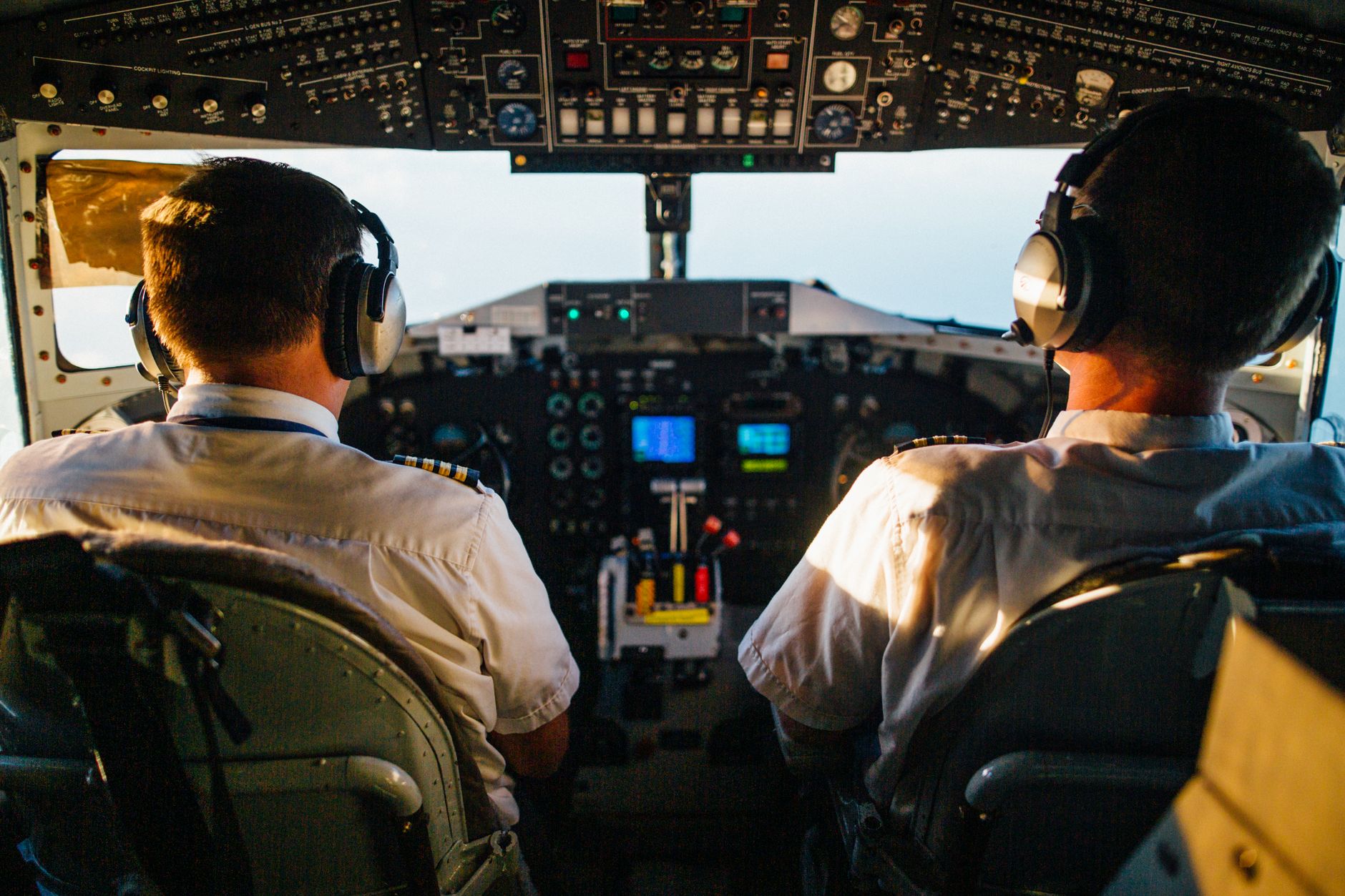
Learning how to fly a plane can be an exciting and fulfilling adventure. Whether you’re considering aviation as a career, seeking a new hobby, or planning to travel to distant locations with ease, flying allows you to experience the world from a unique perspective. This guide covers essential training, licensing steps, travel tips, and practical advice for future pilots.
Before diving into the specifics, it’s important to understand the commitment that learning to fly entails. It requires practice, dedication, and a good grasp of technical knowledge. This guide aims to provide you with all the information you’ll need to get started on your journey to becoming a pilot.
How to Fly a Plane?
To fly a plane, you need to undergo proper training, obtain a pilot’s license, and gain practical experience. Typically, this involves enrolling in a flight school, completing ground school for theoretical knowledge, flying under the supervision of an instructor, and passing a check ride to obtain your license. Along the way, practical tips will help you make the most of your flying experience.
Understanding Types of Pilot Licenses
To begin your journey, it’s crucial to identify the type of pilot’s license you want to pursue. Here are the main types:
- Private Pilot License (PPL): Allows you to fly privately without compensation. Requires a minimum of 40 flight hours.
- Commercial Pilot License (CPL): Enables you to be compensated for flying. Requires a minimum of 250 flight hours, along with other specific training.
- Airline Transport Pilot License (ATPL): The highest level of pilot certification, typically required to act as a captain for commercial airlines. Requires a minimum of 1500 flight hours.
Steps to Learn How to Fly
1. Research Flight Schools
Start by researching flight schools in your area. Look for schools with good reputations, experienced instructors, and accredited programs. You can evaluate them based on:
- Course offerings
- Instructor credentials
- Fleet condition and availability of aircraft
- Student-to-instructor ratios
- Student reviews and success rates
2. Schedule an Introductory Flight
Most flight schools offer an introductory flight lesson. This experience allows you to gauge whether flying is something you would like to pursue further. Your instructor will introduce you to basic flight maneuvers and allow you to take the controls.
3. Enroll in Ground School
Ground school provides the theoretical knowledge required to pass the FAA written exam needed for your pilot’s license. You’ll learn about:
- Aerodynamics
- Navigation
- Meteorology
- Aircraft systems
- Regulations and safety practices
4. Start Flight Training
After enrolling, you’ll begin practical training, which involves flying with an instructor. Training typically includes:
- Learning basic flight controls
- Practicing takeoffs and landings
- Performing emergency procedures
- Navigation, including cross-country flights
You’ll log flight hours during this training, aiming to reach the minimum required hours for licensing, plus additional experience for specific maneuvers.
5. Obtain a Medical Certificate
Before you can fly solo, you must obtain a third-class medical certificate from an FAA-authorized aviation medical examiner. This ensures you meet the health standards required for flying. Common requirements include:
- Vision tests
- Hearing tests
- Overall health examination
6. Complete the Written Exam
Once you’ve completed ground school, you’ll need to pass the FAA written exam. This test evaluates your knowledge on various topics covered during ground school.
7. Pass the Checkride
The checkride, or practical test, is the final step to get your pilot’s license. It includes:
- An oral exam where you will answer questions posed by an FAA examiner.
- A flight portion where you demonstrate your flight skills and maneuvers.
Upon successful completion of these tasks, you will be issued your pilot’s license!
Travel Tips for Aspiring Pilots
Aside from the technical requirements of flying, aspiring pilots should keep a few travel-related tips in mind:
Know the Costs
Understand that flying can be expensive. Here’s a breakdown of typical costs you may encounter:
- Flight school tuition
- Aircraft rental fees
- Fuel costs
- Headsets and other equipment
- Medical examination fees
- Exam and licensing fees
Plan Your Time Wisely
Flying requires both theoretical and practical mastery. Set realistic schedules for training sessions, and keep in mind that weather, maintenance needs, and your personal schedule can affect availability.
Stay Updated on Regulations
Flying regulations can change frequently. Regularly review safety bulletins and stay updated on legal requirements for your pilot license to ensure compliance.
Network with Other Pilots
Engaging with fellow pilots can provide valuable insights and additional learning opportunities. Joining local flying clubs or online aviation forums can be helpful for finding advice and support.
Prepare for Weather Challenges
Weather conditions can significantly impact flying. Always check local weather patterns and receive instruction on how to safely navigate various atmospheric conditions.
Invest in a Flight Plan
Before flying, it is vital to create a flight plan, which outlines your intended route, altitudes, and any stops along the way. This helps in maintaining safety and enhances navigation.
What to Expect After Obtaining Your License
Once you’ve received your pilot’s license, the journey is just beginning! Here are some aspects to consider:
Building Flight Hours
The more you fly, the more proficient you will become. Consider:
- Flying cross-country trips with a licensed pilot
- Participating in organized fly-in events
- Joining aviation clubs that offer opportunities for flight
Continual Learning and Upgrades
As you gain experience, think about pursuing additional ratings or endorsements such as:
- Instrument Rating for flying in low visibility conditions
- Multi-Engine Rating to fly aircraft with more than one engine
- Certified Flight Instructor (CFI) to teach others how to fly
Plan Travel Adventures
With your pilot’s license, the sky’s the limit when it comes to travel! Here are some popular destinations among pilots:
- National Parks: Enjoy breathtaking views and nature.
- Coastal Airports: Access beautiful beachside cities.
- Remote Airstrips: Experience unique landscapes and locales.
Choosing the Right Aircraft
As a pilot, you have the opportunity to fly various types of aircraft. Here are some characteristics to consider when selecting an aircraft:
- Single-engine vs. Multi-engine: Single-engine planes are generally easier to fly for beginners, while multi-engine planes offer additional training opportunities.
- Size and capacity: Consider the number of passengers or cargo you plan to transport.
- Performance capabilities: Different aircraft have varying speed, altitude, and fuel consumption rates.
Safety Considerations
Flying inherently carries risks, but following best practices can enhance safety:
- Always conduct a pre-flight inspection
- Remain aware of your surroundings and local air traffic
- Stay updated on potential hazards like wildlife, weather changes, and airspace restrictions
The Adventure of Flight
Flying a plane is not just a skill; it’s an adventure that opens doors to new experiences. Whether you’re exploring remote lakes, landing on a hidden airstrip, or just enjoying the sunrise above the clouds, the pilot experience is rewarding. Remember that learning to fly comes with obligations, including respecting your aircraft and passengers.
Final Thoughts
Embarking on your flying journey requires commitment and perseverance, but the rewards are immeasurable. From exploring the skies to connecting with like-minded individuals, you can engage in a world full of possibilities through aviation.
Next, check out our related resources for more detailed information on flying a plane, or read about how far is Honolulu from Lahaina for your next flying adventure.