
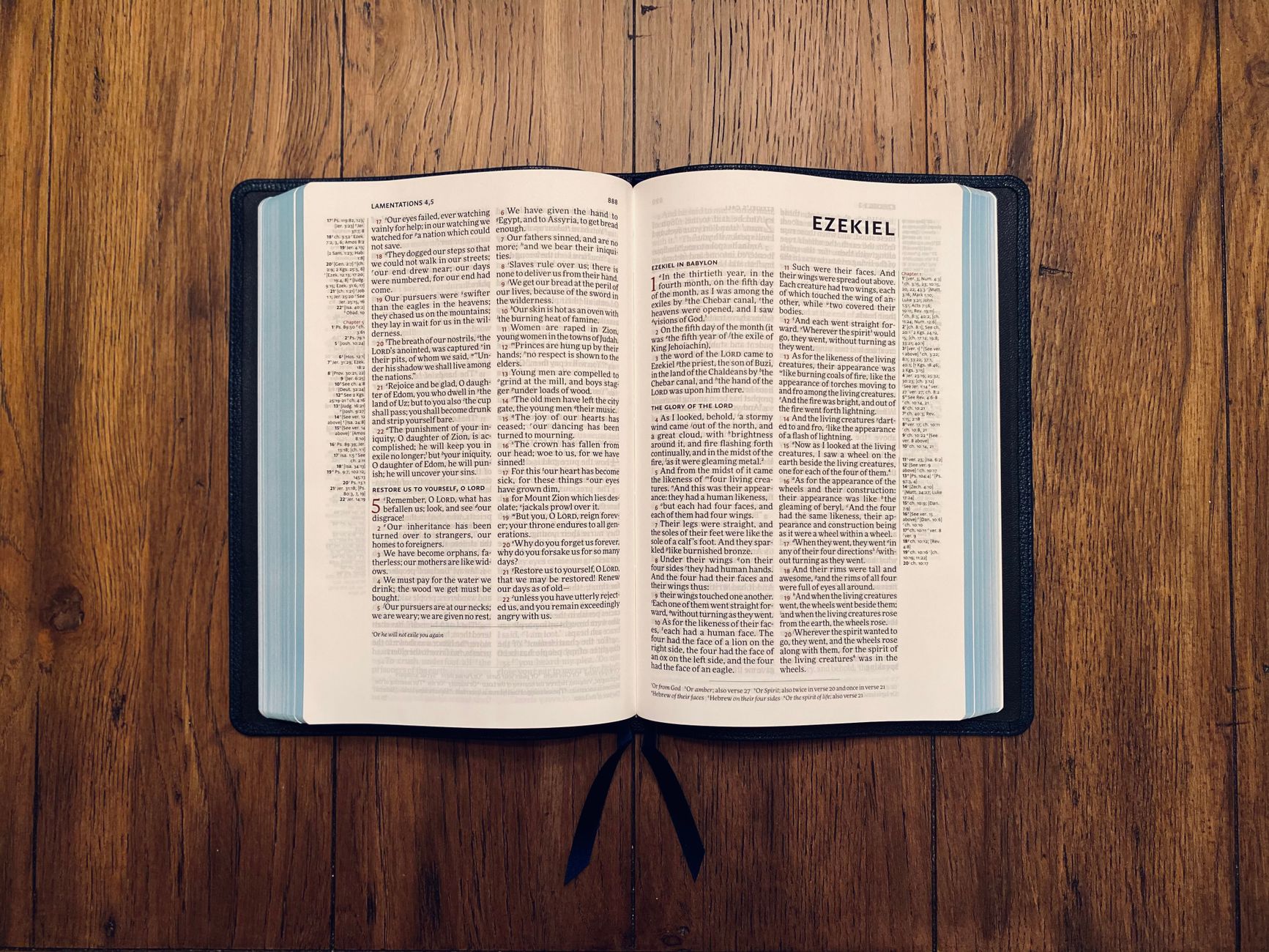
The Bible is a foundational text for millions of people around the world, providing guidance, inspiration, and wisdom. Reading the entire Bible can seem like a monumental task, yet with a proper plan, it can be accomplished within six months. This practical guide outlines a structured approach to reading the Bible, ensuring a balanced and meaningful engagement with this sacred text.
By breaking down your reading into manageable segments, you can absorb the teachings, stories, and themes of the scriptures, placing them in a context that fosters understanding and spiritual growth. Below, you will find a step-by-step method to help you read the Bible in half a year.
How Can You Read the Bible in 6 Months?
To read the Bible in six months, you can follow a structured plan that divides the scriptures into daily or weekly readings. This approach allows for reflection and deeper understanding of the text, rather than rushing through it.
1. Set Realistic Goals
Before starting your reading journey, define specific goals that align with your reasons for reading the Bible. Consider the following:
- What do you hope to gain from your reading?
- How much time can you dedicate each day or week to reading?
- Do you prefer reading alone, or would you like to join a study group?
Setting these goals will help you stay motivated and focused throughout your reading journey.
2. Create a Reading Schedule
A six-month reading plan requires committing to a specific schedule. Here is a sample outline to help structure your reading:
- Daily Reading: Aim to read for about 15-30 minutes each day.
- Weekly Goals: Plan to read approximately 10-15 chapters per week to stay on track.
- Monthly Check-Ins: Set aside time at the end of each month to reflect on what you’ve read and adjust your reading schedule if necessary.
This schedule will help you pace your reading and ensure you complete the Bible in six months.
3. Choose a Bible Translation
Different translations of the Bible exist to cater to various reading styles and comprehension levels. Consider the following popular translations:
- New International Version (NIV): Known for its balance of accuracy and readability.
- English Standard Version (ESV): Focuses on word-for-word accuracy and literary beauty.
- The Message (MSG): A contemporary paraphrase that brings the language of the Bible into modern vernacular.
- New King James Version (NKJV): Retains the traditional style while also being more readable than the original King James Version.
Choose a translation that resonates with you and enhances your understanding of the text.
4. Find a Good Study Guide or Companion
Accompanying your Bible reading with a study guide can provide context, reflections, and insights that enhance comprehension. Consider options such as:
- Commentaries: These offer verse-by-verse explanations and historical context.
- Bible Reading Guides: Many books provide structured reading plans alongside reflection questions.
- Online Resources: Websites and apps like YouVersion and Blue Letter Bible offer daily reading plans and study tools.
Using study aids can enrich your reading experience and facilitate deeper spiritual growth.
5. Incorporate Reflection and Meditation
As you read, take time to pause and reflect on the passages. Here are some methods to incorporate reflection:
- Journaling: Write down insights, questions, and personal applications of the text.
- Prayer: Seek guidance and understanding through prayer before and after reading.
- Discussion: Share your insights with a study partner or group for a broader perspective.
These practices will help deepen your connection to the scripture and its teachings.
6. Stay Accountable
Find a friend, family member, or study group to share your progress with. Accountability can motivate you to stay on track and provide a support system for addressing challenges. Consider the following:
- Check in with your accountability partner weekly to discuss what you’ve read.
- Join an online Bible study group or local church group to connect with others.
- Share insights on social media or a personal blog to foster a community of support.
Encouraging each other throughout this six-month journey will enhance your experience and deepen your understanding.
7. Emphasize Themes and Topics
As you read, take note of recurring themes and topics such as love, forgiveness, faith, and justice. Consider focusing on:
- The life and teachings of Jesus in the New Testament.
- The Old Testament prophecies and their fulfillment.
- The wisdom literature and its relevance to daily living.
This thematic approach can provide a lens through which to view the Bible, enhancing your understanding of its overarching messages.
8. Use Audio and Visual Aids
Incorporating audio and visual aids can enhance the reading experience. You may consider:
- Bible Audio Apps: Listening to the Bible can help with comprehension and retention.
- Documentaries: Watching films or documentaries about biblical history can provide context and deepen understanding.
- Illustrated Bibles: These offer visual representations of key stories and themes.
Engaging with multiple formats can enhance your overall experience with the text.
9. Be Open to Insights
Approach your reading with an open heart and mind. Allow the text to speak to you in new ways. Remember that:
- Different passages may resonate at different times in your life.
- Be willing to explore challenging or difficult sections without feeling discouraged.
- Seek guidance or counsel on interpretations that may be unclear or troubling.
This openness will allow for a more profound understanding of the transformative power of the scriptures.
10. Celebrate Your Progress
As you reach milestones in your reading plan, take time to celebrate your progress. Consider:
- Preparing a special meal to mark the completion of each book.
- Sharing lessons learned with friends or fellow readers.
- Creating a visual progress chart to share or display.
Recognizing your achievements will help maintain your motivation throughout this journey.
11. Conclude with Reflection
At the end of your six-month journey, take time to reflect on the overall themes and messages you encountered. Here are some ways to conclude thoughtfully:
- Write a summary of key insights and lessons learned.
- Consider how the readings may impact your daily life moving forward.
- Identify verses or passages that resonated deeply with you for future reference.
This reflection can solidify your understanding and encourage ongoing engagement with the Bible.
Final Thoughts
The journey of reading the Bible in six months can be a rewarding endeavor that yields spiritual insights and personal growth. By setting clear goals, maintaining a structured reading plan, and integrating reflection, you can cultivate a deeper relationship with the text and its teachings.
Consider beginning your reading with a prayer or intention, asking for wisdom and clarity as you engage with the scriptures. As you immerse yourself, remain open to transformation and the potential for new understandings.
Engaging with the Bible can offer a source of inspiration, guidance, and spiritual nourishment. No matter where you start, the most important aspect is committing to the journey and embracing the lessons along the way.
As you continue your exploration of spirituality and faith, you might find it enriching to read related articles on religious practices, meditation techniques, or guides for personal growth. Stay curious, engaged, and open to the wisdom that these resources can provide.