
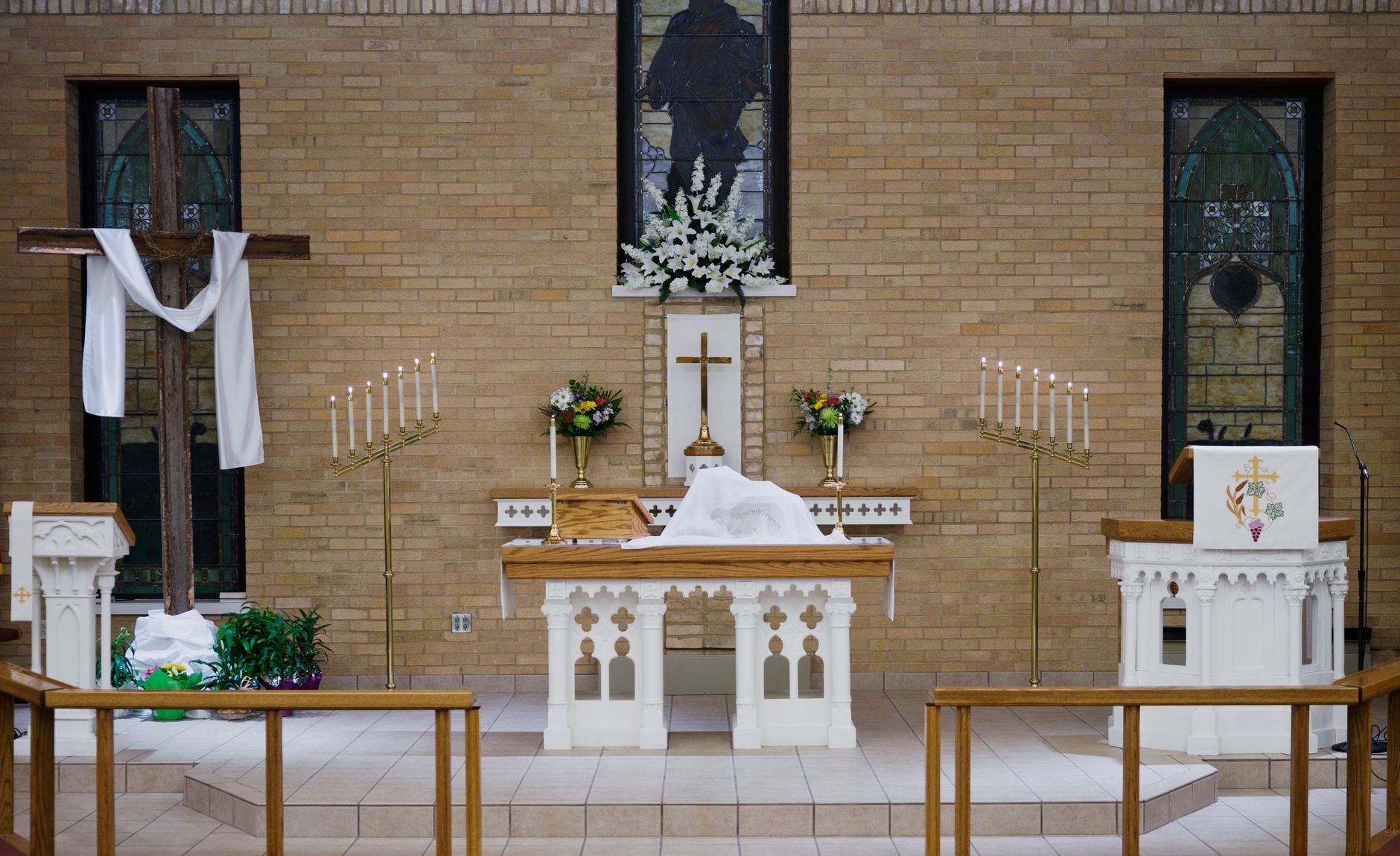
The question of whether Easter is when Jesus rose from the dead is fundamental to Christian belief, as it encapsulates the essence of the resurrection, which is celebrated each spring. This article explores the importance of Easter in Christianity, its historical context, and the significance of the resurrection in the faith journey of believers.
We will delve into scriptural references, the historical development of Easter celebrations, various interpretations within denominations, and how the idea of resurrection can inspire spiritual growth and reflection for individuals today.
Is Easter When Jesus Rose from the Dead?
Yes, Easter is traditionally observed as the day when Christians believe Jesus Christ rose from the dead, three days after his crucifixion. This event is central to Christian faith and symbolizes victory over sin and death.
The resurrection is commemorated on Easter Sunday, which follows the Holy Week, culminating in Good Friday, the day of Jesus’ crucifixion. Understanding the significance of this event requires exploring both the biblical context and the theological implications it holds for believers.
The Biblical Account of the Resurrection
The resurrection is documented in the New Testament, particularly in the Gospels of Matthew, Mark, Luke, and John. Each Gospel presents a unique perspective, contributing to a fuller understanding of this pivotal event.
- Matthew 28:1-10: Matthew describes the visit of Mary Magdalene and the other Mary to the tomb, where they encounter an angel who tells them that Jesus has risen. They are instructed to inform the disciples.
- Mark 16:1-8: Mark’s account also includes the women finding an empty tomb, and a young man in white who announces the resurrection. The initial fear and amazement of the women hint at the overwhelming nature of the revelation.
- Luke 24:1-12: In Luke, the women are met by two men in dazzling apparel who remind them of Jesus’ prophecy about his resurrection. The disciples initially doubt their report.
- John 20:1-18: John’s narrative is more personal, focusing on Mary Magdalene’s encounter with the risen Christ. Her recognition of Jesus marks a poignant moment of transformation and hope.
Historical Context of Easter Celebrations
The celebration of Easter has evolved over centuries, incorporating various cultural and theological elements. In early Christianity, the resurrection was celebrated as part of the Paschal full moon, aligning with the Jewish Passover. This connection emphasizes the continuity between the two events—Christ’s resurrection and the Exodus narrative of liberation.
The formalization of Easter as a distinct Christian holiday began in the 2nd century when churches began to observe the resurrection as a key doctrine. By the 4th century, the Council of Nicaea established the formula for calculating the date of Easter, which is celebrated on the first Sunday following the first full moon after the vernal equinox. This method ties the celebration not only to agricultural cycles but also to Jewish traditions.
Denominational Perspectives on Easter
Different Christian denominations celebrate Easter with unique traditions and interpretations, reflecting their theological emphases and cultural backgrounds.
- Roman Catholic: The Catholic Church has elaborate liturgical celebrations, including the Easter Vigil on Saturday night, which is considered the pinnacle of their liturgical year.
- Orthodox: Orthodox Christians celebrate Easter (Pascha) according to the Julian calendar, often resulting in a date difference with Western Easter. Their festivities include midnight vigils and traditional meals.
- Protestant: Protestant denominations may incorporate diverse styles in their celebrations, ranging from traditional hymns and communion services to contemporary worship and community events. The key focus remains the resurrection’s impact on believers’ lives.
Theological Significance of the Resurrection
The resurrection of Jesus is viewed as the crux of Christian faith. It affirms several core theological beliefs:
- Victory over Death: The resurrection demonstrates Jesus’ victory over sin and death, providing believers with the hope of eternal life.
- Confirmation of Faith: It reinforces the validity of Christian teachings and the belief that Jesus is the Son of God, as evidenced by his triumph over death.
- New Creation: The resurrection signifies the start of a new creation, offering believers the opportunity to partake in a renewed life through Christ.
Personal Reflection and Spiritual Growth
Contemplating the significance of Easter and the resurrection can foster profound spiritual reflection and growth. Here are some practical applications for individuals seeking to deepen their understanding and experience of faith:
- Prayer and Meditation: Spend quiet moments in prayer or meditation, reflecting on the resurrection’s meaning in your personal life. Consider how the concepts of hope, renewal, and victory resonate with your experiences.
- Study Scripture: Engage with biblical passages that discuss the resurrection, taking note of how the narrative unfolds in each Gospel. Reflect on what these stories reveal about Jesus’ character and mission.
- Participate in Community Worship: Join Easter services at your local church to engage with fellow believers. Sharing in worship, hymns, and communion can enhance the communal aspect of faith.
- Acts of Service: Embody the spirit of the resurrection by participating in acts of service and kindness. Helping others in your community can reflect the love and hope exemplified by the resurrection.
Conclusion
Easter is indeed the celebration of when Christians believe Jesus rose from the dead, marking it as a cornerstone of the faith. The resurrection embodies hope, renewal, and the promise of new life for believers. As one reflects on the implications of this event, it provides an opportunity for personal transformation and deeper faith.
As you continue your spiritual journey, consider how the resurrection and Easter observances can influence your life. Reflect on the significance of hope and renewal that the resurrection brings and how these themes can guide your daily actions and spiritual practices.
For further exploration of the relationship between scripture and spiritual reflection, consider resources such as Bible Verses about Beer and Prayers for Alcoholics, which provide various insights into navigating faith-related challenges and celebrations.