
The rich, glossy aroma of Japanese BBQ sauce sizzling on grilled meat is pure magic.
This sauce captures everything that makes Japanese cuisine so addictive: umami depth from soy and mirin, subtle sweetness, a hint of garlic heat, and that silky texture that clings to every bite.
Unlike heavy American BBQ sauces, this one is lighter and more refined, letting the quality of your grilled proteins shine through while adding serious flavor complexity.
You can make it in about 10 minutes, keep it on hand for a week, and use it on everything from yakitori to beef short ribs to grilled vegetables.
Let’s make a batch that will transform your next grilling session.
Why You’ll Love This Recipe
This Japanese BBQ sauce delivers restaurant-quality results at home without any fuss or obscure ingredients.
- Made in under 10 minutes with pantry staples you already own
- Versatile enough for chicken, beef, pork, seafood, and vegetables
- Perfectly balanced sweet, savory, and umami flavors in every spoonful
- Stores for up to a week in the refrigerator for meal prep convenience
- Lighter and more refined than Western BBQ sauces, letting quality ingredients shine
My Experience Making This Recipe
I first discovered this sauce at a Japanese yakitori restaurant in Seattle and immediately became obsessed with recreating it at home. My initial attempts felt flat and one-dimensional until I stopped overthinking it and trusted the simplicity of quality soy, mirin, and garlic working together.
The first time I grilled chicken with my homemade version, my neighbor actually came over asking what smelled so incredible. That’s when I knew I had nailed it.
Now I make a batch every two weeks and brush it on everything from grilled eggplant to thick-cut ribeyes. The gloss it creates is stunning, and the flavor deepens as it caramelizes on the grill.
Recipe Overview
- Recipe Name: Japanese BBQ Sauce
- Servings: Makes about 1 cup (16 servings of 1 tablespoon each)
- Prep Time: 5 minutes
- Cook Time: 5 minutes
- Total Time: 10 minutes
- Course: Condiment/Sauce
- Cuisine: Japanese
- Calories per Serving: 35 calories per tablespoon
Equipment You Will Need
- Small saucepan
- Whisk or wooden spoon
- Measuring spoons and cups
- Glass jar for storage
- Fine mesh strainer (optional, for smoother texture)
Ingredients for Japanese BBQ Sauce
- Soy sauce: 1/2 cup
- Mirin (sweet rice wine): 1/4 cup
- Garlic cloves: 4, minced
- Ginger: 1 tablespoon, grated
- Brown sugar: 2 tablespoons
- Rice vinegar: 1 tablespoon
- Sesame oil: 1 teaspoon
- Cornstarch: 1 teaspoon (optional, for thickening)
- Water: 1 tablespoon (if using cornstarch)
Ingredient Notes and Substitutions
- Soy sauce: The backbone of this sauce, providing saltiness and umami depth. Substitute with tamari for a gluten-free version with minimal flavor change.
- Mirin: This sweet rice wine adds natural sweetness and glossiness without tasting artificial. If unavailable, mix 3 tablespoons honey with 1 tablespoon sake or dry sherry, though the result will be slightly different.
- Garlic: Fresh garlic provides a sharp, aromatic punch that minced garlic powder cannot replicate. Use 1/2 teaspoon garlic powder in a pinch, but reduce the intensity.
- Ginger: Fresh ginger delivers heat and complexity that dried ginger lacks. Use 1/2 teaspoon ground ginger if fresh is unavailable, adding it slowly to taste.
- Sesame oil: A small amount adds toasted, nutty richness that anchors the sauce. Skip it if allergic, though the sauce will lose some depth.
How to Make Japanese BBQ Sauce
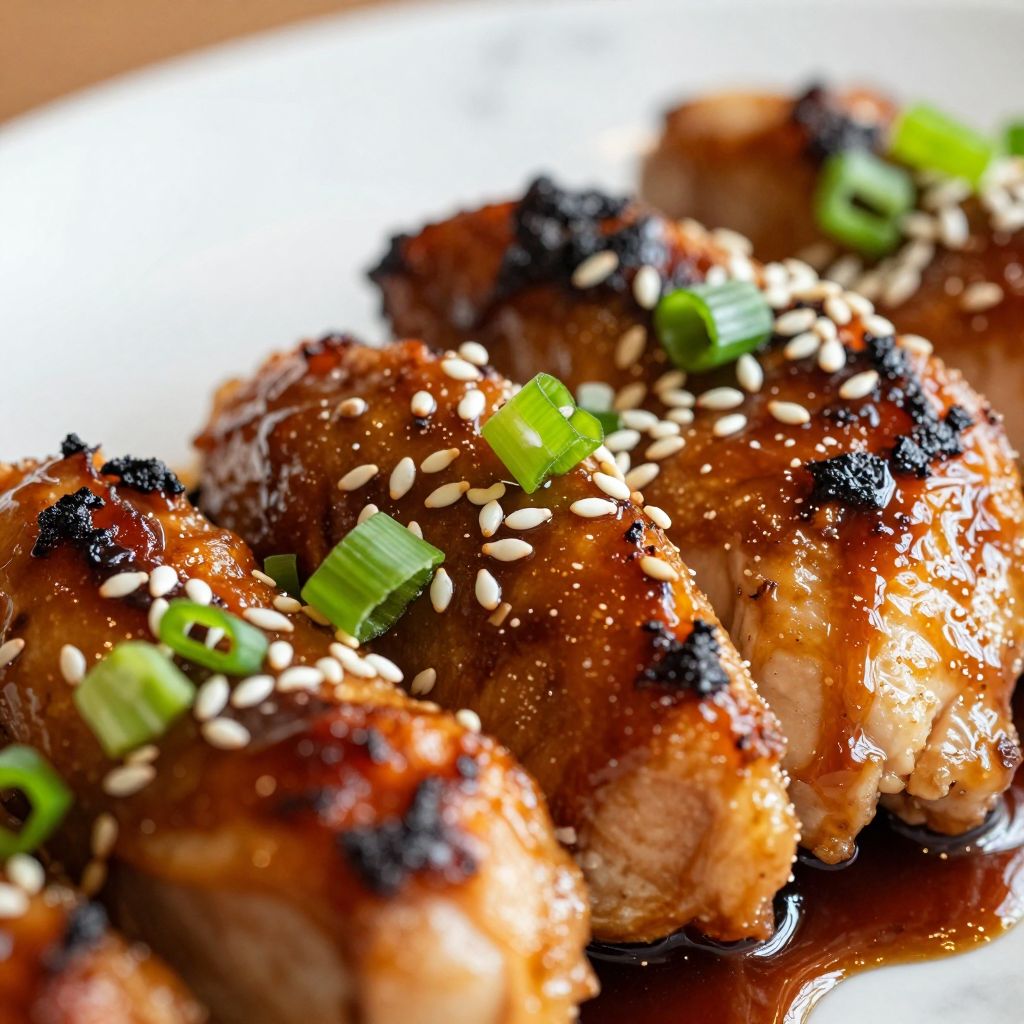
Pour the soy sauce and mirin into your small saucepan and stir them together over medium heat. These two ingredients form the flavor foundation, and combining them at the start ensures they blend evenly before any cooking begins.
Step 1: Combine the Base Liquids
Stir in the minced garlic and grated ginger, mixing well to distribute them throughout the liquid. These aromatics will begin releasing their oils and flavors immediately, infusing the sauce with warmth and depth.
Step 2: Add the Aromatic Ingredients
Add the brown sugar to the saucepan and stir continuously until it dissolves completely. The sugar balances the saltiness of the soy sauce and helps create that glossy, caramelized finish on grilled foods.
Step 3: Incorporate the Sweetener
Pour in the rice vinegar and mix thoroughly, allowing it to blend with the other ingredients. The acidity from vinegar brightens the overall flavor profile and prevents the sauce from tasting overly heavy or one-dimensional.
Step 4: Add the Rice Vinegar
Add the sesame oil and whisk the entire mixture until it appears glossy and well combined. This small amount of oil adds a toasted, nutty note that ties all the flavors together beautifully.
Step 5: Finish with Sesame Oil
Bring the sauce to a gentle simmer and let it bubble softly for 2 to 3 minutes without stirring constantly. This brief cooking time allows all the ingredients to marry together and deepens the overall flavor complexity.
Step 6: Simmer to Meld Flavors
If you prefer a thicker sauce that clings better to meat, mix the cornstarch with 1 tablespoon of water in a small bowl to create a slurry. Pour this slurry into the simmering sauce while whisking constantly, and cook for another 1 to 2 minutes until it reaches your desired thickness.
Step 7: Optional Thickening Step
Remove the sauce from heat and let it cool for 5 minutes at room temperature. For an ultra-smooth texture, pour the sauce through a fine mesh strainer to remove the small garlic and ginger pieces, though this step is optional and many prefer the texture with the aromatics included.
Pro Tip: Make this sauce while your grill is preheating so you can brush it on meat during the last few minutes of cooking, allowing it to caramelize without burning.
Tips for the Best Japanese BBQ Sauce
- Use fresh garlic and ginger rather than jarred or powdered versions, as they provide a sharper, cleaner flavor that tastes noticeably better in this simple sauce.
- Simmer the sauce gently rather than boiling it vigorously, which helps preserve the delicate flavors and prevents the alcohol in mirin from evaporating too quickly.
- Brush the sauce onto meat during the final 3 to 5 minutes of grilling so it caramelizes without scorching or burning on high heat.
- Reserve a portion of sauce in a separate bowl for serving at the table rather than using the brush bowl, which prevents cross-contamination with raw meat juices.
- Taste the sauce while it is still warm and adjust the sweetness or saltiness before storing, as flavors mellow slightly as it cools.
- Store the sauce in a glass jar rather than plastic to preserve flavor and prevent any off-taste from developing.
Common Mistakes to Avoid
- Boiling the sauce aggressively causes the delicate aromatics to fade and the alcohol in mirin to evaporate too quickly, resulting in a flat, one-dimensional flavor.
- Applying the sauce too early in the cooking process allows it to burn on high heat rather than caramelize, creating a bitter taste that overwhelms the dish.
- Using bottled minced garlic or powdered ginger instead of fresh versions produces a dull, chemical-tasting sauce that lacks the brightness this recipe needs.
- Forgetting to reserve a clean portion for serving means your finished dish will be brushed with sauce that touched raw meat, creating food safety concerns.
- Skipping the optional thickening step when you prefer a clingy glaze results in a thin sauce that runs off meat rather than coating it evenly.
Serving Suggestions
This Japanese BBQ sauce works beautifully on almost any grilled protein or vegetable you can think of.
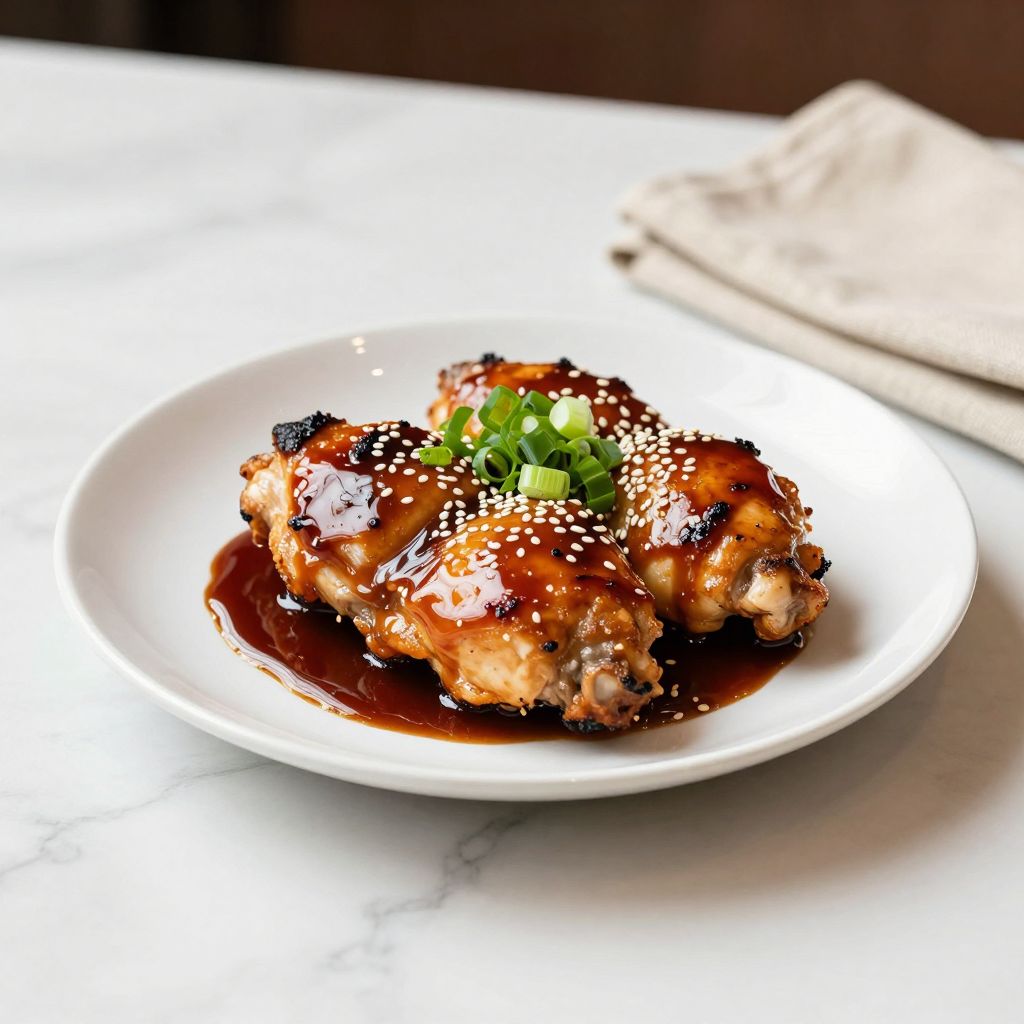
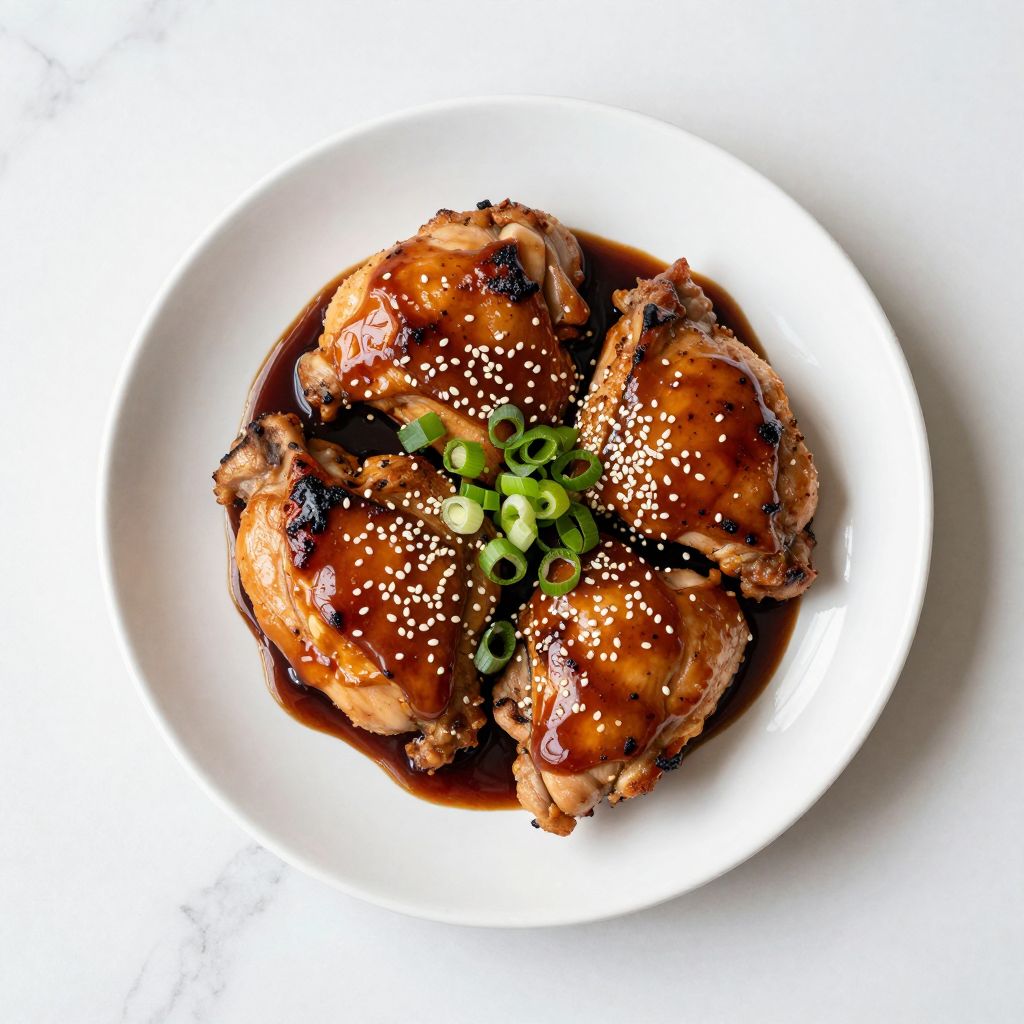
- Grilled chicken thighs with a final brush of sauce and a sprinkle of sesame seeds and sliced green onion
- Thick-cut beef short ribs grilled until caramelized and finished with a generous glaze
- Grilled shrimp skewers brushed with sauce and served with steamed white rice
- Japanese eggplant halves or zucchini slices grilled until tender and glazed with this sauce for a vegetarian option
- Pork belly strips grilled until crispy and coated with the sauce for an indulgent appetizer
Variations to Try
- Spicy Version: Add 1/2 teaspoon to 1 teaspoon of red chili flakes or 1 tablespoon of sriracha to the finished sauce for a heat kick that complements grilled beef beautifully.
- Citrus Twist: Stir in 1 tablespoon of fresh lime juice or yuzu juice after cooking to brighten the sauce and add a subtle tropical note that works wonderfully with seafood.
- Extra Umami: Mix in 1 teaspoon of miso paste while the sauce is still warm to deepen the savory, complex flavors and create a richer, more sophisticated glaze.
- Ginger-Forward Version: Increase the ginger to 2 tablespoons for a more pronounced warming effect that pairs especially well with pork and duck.
- Honey Sweetened: Replace brown sugar with 3 tablespoons of honey for a different sweetness profile that creates a slightly silkier texture and adds subtle floral notes.
Dietary Adaptations
- Gluten-Free: Use tamari instead of regular soy sauce, as it contains no wheat and delivers the same deep umami flavor with no noticeable difference in taste.
- Vegan/Vegetarian: This sauce is naturally vegan and vegetarian since it contains no animal products, making it perfect for glazing grilled vegetables or plant-based proteins like tofu and tempeh.
- Low-Carb/Keto: Replace brown sugar and mirin with 2 tablespoons of erythritol or monk fruit sweetener to keep the sauce low in carbohydrates, though the texture will be slightly thinner without the natural thickness mirin provides.
- Paleo: Omit the cornstarch thickener entirely and use coconut aminos in place of soy sauce for a sauce that fits paleo guidelines while maintaining excellent flavor.
Storage and Reheating
Refrigerator
Store the cooled sauce in a glass jar with a tight-fitting lid in the refrigerator where it will keep for up to 7 to 10 days. The sauce may thicken slightly as it cools, which is normal and actually makes it easier to brush onto meat.
- Always use a clean spoon when removing sauce from the jar to prevent contamination
- If the sauce develops any off-odor or appearance, discard it immediately
- Stir well before each use as some settling may occur
Freezer
You can freeze this sauce for up to 3 months in an airtight container or ice cube tray for portion control. Freezing does not significantly affect the flavor or texture of the finished sauce.
- Pour the cooled sauce into ice cube trays for easy single-serving portions
- Once frozen, pop the cubes into a freezer bag and label with the date
- Thaw in the refrigerator overnight before using
Reheating
Gently warm the sauce in a small saucepan over low to medium heat, stirring occasionally until it reaches your desired consistency and temperature. Do not boil the sauce, as high heat can degrade the delicate flavors and cause the aromatics to become overly intense.
- Reheating takes only 2 to 3 minutes
- Alternatively, microwave in a small dish for 30 to 45 seconds, stirring halfway through
- The sauce will thin slightly when warmed and thicken again as it cools
Nutrition Information
| Nutrient | Amount |
|---|---|
| Calories | 35 |
| Total Fat | 0.5 g |
| Saturated Fat | 0.1 g |
| Carbohydrates | 6 g |
| Fiber | 0 g |
| Sugar | 5 g |
| Protein | 1 g |
| Sodium | 580 mg |
| Cholesterol | 0 mg |
Nutritional values are approximate and calculated per 1-tablespoon serving. Actual values may vary based on specific brands used and preparation methods.
Frequently Asked Questions
Can I make this sauce without mirin?
Yes, you can substitute mirin with a mixture of 3 tablespoons honey and 1 tablespoon sake or dry sherry, though the final flavor will be slightly different and less authentically Japanese. The honey will work fine for sweetness, but you will lose some of the subtle depth that mirin provides.
How long can I keep this sauce in the refrigerator?
The sauce keeps safely in the refrigerator for 7 to 10 days when stored in a clean, airtight glass jar. Always use a clean utensil when removing sauce to prevent introducing bacteria or contamination.
Can I make a larger batch and freeze it?
Absolutely, this recipe scales up beautifully and freezes well for up to 3 months. Freeze it in ice cube trays for convenient single-serving portions that thaw quickly when you need them.
Why does my sauce taste too salty?
Different soy sauce brands vary in salt content, so always taste your sauce while it is still warm and adjust accordingly. Adding a bit more mirin or brown sugar can help balance excessive saltiness without requiring you to start over.
Can I use this sauce for something other than grilling?
Yes, this sauce works wonderfully as a marinade for meat, a glaze for roasted vegetables, a dipping sauce for dumplings or spring rolls, or even a finishing touch on stir-fried dishes. Its versatility makes it a valuable addition to your kitchen repertoire.
Final Thoughts
This Japanese BBQ sauce proves that great flavor does not require complicated techniques or hard-to-find ingredients. Ten minutes of gentle simmering transforms humble pantry staples into something restaurant-quality that will make your grilled food taste noticeably better.
Make a batch this weekend, brush it onto whatever protein looks good at the market, and watch your grilling game level up instantly. Your neighbors will definitely notice, and you will find yourself making this sauce again and again.
Explore More Grilling Sauces
Once you master this Japanese BBQ sauce, expand your grilling sauce collection with other incredible flavors from Japanese cuisine.
Try our hibachi sauce recipe for a buttery, garlic-forward option that works beautifully on grilled vegetables and proteins cooked in front of you at the table. If you want something with a richer, more complex umami profile, our eel sauce recipe delivers that glossy, sweet-savory coating that Japanese restaurants use to make their grilled items so irresistible.
Japanese BBQ Sauce
Ingredients
Equipment
Method
- Pour the soy sauce and mirin into a small saucepan and stir over medium heat.
- Stir in the minced garlic and grated ginger and cook for 1 minute.
- Add the brown sugar and stir continuously until it dissolves, about 1 to 2 minutes.
- Pour in the rice vinegar and mix thoroughly.
- Whisk in the sesame oil until the sauce is glossy and combined.
- Bring the sauce to a gentle simmer over medium heat and let it bubble softly for 2 to 3 minutes without stirring.
- If desired, mix the cornstarch and water to form a slurry, whisk it into the simmering sauce, and cook for 1 to 2 minutes until thickened.
- Remove the saucepan from heat and let the sauce cool for 5 minutes, then strain through a fine mesh strainer if a smooth texture is preferred.