
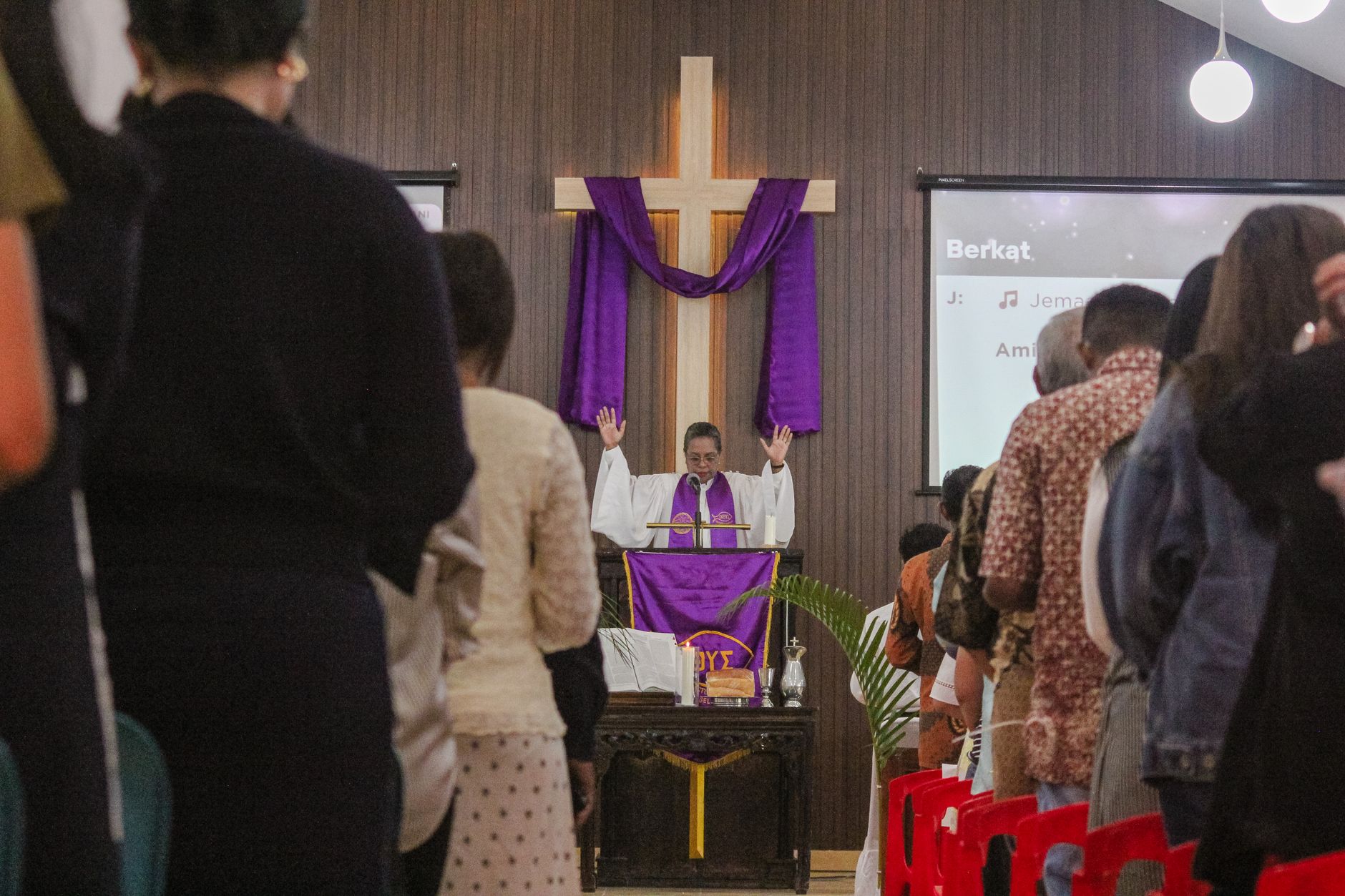
The hymn “Jesus Christ Is Risen Today” is a cherished piece in Christian worship, especially during Easter celebrations. It captures the joyous proclamation of Christ’s resurrection and the hope it brings to believers. Exploring its lyrics and meanings offers a deeper understanding of the significance behind this powerful declaration of faith.
In this article, we will delve into the lyrics, their historical context, and their theological implications, as well as offer reflections for personal spiritual growth. This exploration aims to enrich the experience of those who sing or hear these words, embedding them within their faith journey.
What Are the Lyrics of “Jesus Christ Is Risen Today”?
The hymn “Jesus Christ Is Risen Today” is often sung communally during Easter services. While various versions exist, the following lines commonly represent the essence of the hymn:
- Jesus Christ is risen today, Alleluia!
- Our triumphant holy day, Alleluia!
- Who did once, upon the cross, Alleluia!
- Suffer to redeem our loss. Alleluia!
- Hymns of praise then let us sing, Alleluia!
- Unto Christ, our heavenly King, Alleluia!
- Who endured the cross and grave, Alleluia!
- Sinners to redeem and save. Alleluia!
These repeated proclamations of “Alleluia,” a term that denotes joy and praise, emphasize the celebratory nature of the resurrection.
Historical Context of the Hymn
“Jesus Christ Is Risen Today” has its origins in the 14th century, attributed to Lyra Davidica, a collection of hymns published in England. The specific author of this hymn remains uncertain, yet the message resonates through centuries. Its usage in liturgical worship reflects the importance of resurrection theology in Christianity.
Hymns like this served various purposes, including educating congregants about doctrines, enhancing communal worship, and fostering a sense of identity. Its revival in contemporary worship shows the hymn’s enduring relevance, echoing themes of triumph over death, a central tenet of Christian faith.
Theological Implications of the Resurrection
The resurrection of Jesus Christ is pivotal in Christian theology. It signifies victory over sin and death, fulfilling the promise of eternal life to believers. This belief is encapsulated in passages such as 1 Corinthians 15:20-22 (NIV), which states that “Christ has indeed been raised from the dead, the firstfruits of those who have fallen asleep.” Here, the resurrection serves as a cornerstone for Christian hope and future resurrection.
The Significance of the Resurrection
- Victory Over Sin: The resurrection signifies Jesus’s triumph over sin, offering salvation to humanity.
- Hope and Assurance: It provides believers with assurance of eternal life, fostering hope in the face of life’s challenges.
- Transformation: The resurrection embodies the transformative power of faith, encouraging spiritual rebirth and renewal.
Reflection on the Lyrics
When reflecting on the hymn’s lyrics, congregants might consider what the resurrection means personally and communally. The repeated “Alleluia” not only conveys joy but also invites worshippers to participate in the celebration of life and resurrection. Each line offers an opportunity for meditation on the implications of Christ’s victory.
Personal and Collective Meditation
- Pause and Reflect: Take a moment to meditate on the significance of Easter and what the resurrection means in your life.
- Prayer of Thanksgiving: Offer a prayer expressing gratitude for the gift of life and the promises associated with the resurrection.
- Engage in Communal Worship: Sing the hymn within a worship community, recognizing the strength found in collective belief.
- Read Scripture: Consider biblical passages that discuss the resurrection, such as Matthew 28:5-7 or Romans 6:4, to deepen your understanding.
Rituals and Celebrations Associated with the Resurrection
Easter, when the hymn is most commonly sung, is rich with rituals and traditions within Christianity. These practices cultivate spiritual awareness and reinstate the centrality of Christ’s resurrection in the lives of believers.
Common Easter Traditions
- Easter Vigil: The night before Easter, many churches hold a vigil that includes scripture readings, candle lighting, and baptisms.
- Sunrise Services: These early morning gatherings symbolize the moment when women discovered the empty tomb, celebrating new beginnings.
- Festive Meals: Families often gather for special meals, sharing traditions that include symbols of new life, such as eggs and lamb.
Ethical Reflections on Easter
As individuals engage with the joyous proclamation of “Jesus Christ Is Risen Today,” ethical considerations come into play. The resurrection’s message encourages believers to reflect on acts of love, forgiveness, and service. This call echoes throughout scripture, particularly in 1 Peter 1:3, where the resurrection is linked to living a life rooted in hope and holiness.
Questions for Ethical Reflection
- How can you embody the hope of the resurrection in your daily life?
- What acts of service can you offer to your community to reflect the love of Christ?
- In what ways can forgiveness play a role in your relationships, particularly around this time of celebration?
Fostering Spiritual Growth Through the Hymn
Engaging with “Jesus Christ Is Risen Today” can facilitate growth in one’s spiritual journey. The hymn serves as a touchstone for spiritual reflection, inviting believers to explore their own faith and its manifestations in their lives.
Practical Steps for Spiritual Development
- Create a Personal Worship Space: Dedicate a space in your home for private worship, where you can reflect on the resurrection.
- Memorize the Hymn: Internalizing the lyrics allows the truths of the resurrection to permeate your thoughts and prayers.
- Engage in Acts of Kindness: Look for opportunities to serve others, embodying the transformative love of Christ.
- Participate in Spiritual Discussions: Join or form a study group focused on the themes of Easter and how they apply to daily life.
Conclusion and Further Exploration
The hymn “Jesus Christ Is Risen Today” remains a vital expression of Christian faith, celebrating the triumphant resurrection of Jesus Christ. Its lyrics call believers to embrace hope, actively live their faith, and reflect on the transformative power of resurrection in their lives. As you continue on your spiritual journey, consider how you embody the principles of love, forgiveness, and service central to this season.
To deepen your understanding of spiritual teachings related to food, prayer, and hunger, you might explore the following articles: Bible Verses About Food and Bible Verses About Hunger. These resources can illuminate how spiritual teachings intersect with daily living and community practices.