
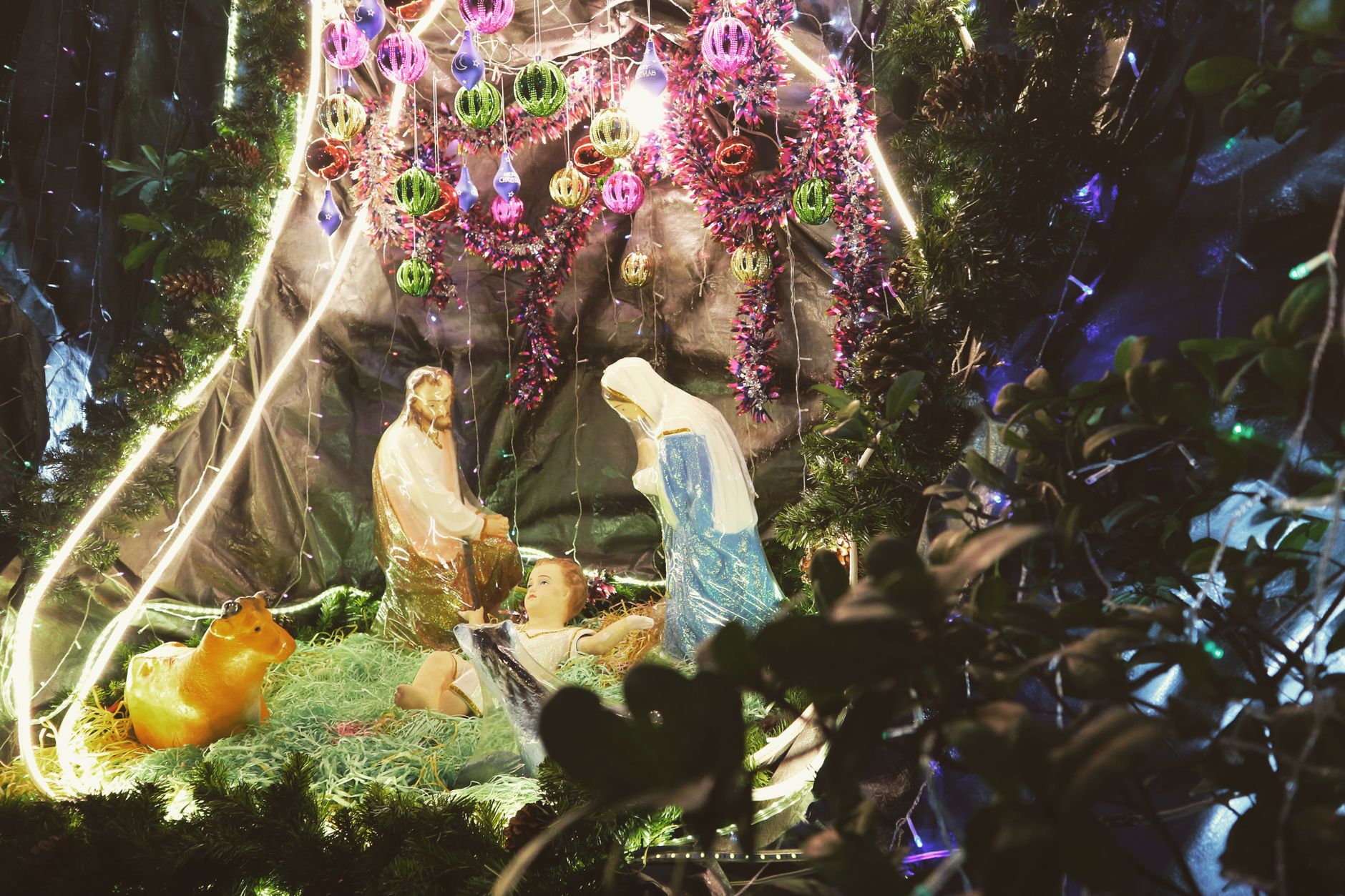
In the celebration of the Christmas season, the hymn “Jesus What a Wonderful Child” often resonates deeply within Christian communities. It encapsulates the feelings of awe, joy, and reverence surrounding the birth of Jesus Christ. This article explores the meaning of this hymn, its significance in the context of biblical scripture, and the celebration of Jesus as a child within the Christian faith.
The hymn serves not only as a musical tribute to the nativity of Jesus but also as a reminder of the profound impact His life and teachings have had on the world. Understanding this hymn and its biblical connections can enhance one’s spiritual experience during the festive season and beyond.
What Is the Meaning of “Jesus What a Wonderful Child”?
The phrase “Jesus What a Wonderful Child” encapsulates the joy and reverence that many believers associate with the birth of Christ. It acknowledges Jesus as the Son of God, celebrating His divine nature and the incredible gift of salvation He represents.
This hymn reflects on several key themes associated with Jesus’ birth:
- Divine Innocence: The image of Jesus as a child is reflective of purity and innocence, reminding believers of His teachings rooted in love and humility.
- The Gift of Salvation: Christmas marks the arrival of a savior, and this hymn emphasizes the hope and redemption that His life brings to humanity.
- A Call for Praise: The repeated exclamation in the hymn encourages worshippers to celebrate and give thanks for Jesus’ presence in their lives.
Scriptural Foundations of the Hymn
The themes found within “Jesus What a Wonderful Child” are deeply rooted in scripture. The birth of Jesus is recounted primarily in the Gospels of Matthew and Luke, each offering unique perspectives on the nativity story. Here, we will examine key scriptures that illuminate the meaning of this hymn.
The Birth Narrative in Luke
Luke 2:10-14 (NIV) states:
“But the angel said to them, ‘Do not be afraid. I bring you good news that will cause great joy for all the people. Today in the town of David a Savior has been born to you; he is the Messiah, the Lord. This will be a sign to you: You will find a baby wrapped in cloths and lying in a manger.’ Suddenly a great company of the heavenly host appeared with the angel, praising God and saying, ‘Glory to God in the highest heaven, and on earth peace to those on whom his favor rests.’”
This passage highlights the joy and celebration surrounding the birth of Jesus. The angel’s announcement signifies that Jesus is not merely a child but the promised Savior. This aligns perfectly with the refrain of the hymn, reinforcing the emotional and spiritual significance of His birth.
Fulfillment of Prophecy
The birth of Jesus is also seen as the fulfillment of Old Testament prophecies. Isaiah 9:6 (NIV) prophesies:
“For to us a child is born, to us a son is given, and the government will be on his shoulders. And he will be called Wonderful Counselor, Mighty God, Everlasting Father, Prince of Peace.”
This scripture connects directly to the themes of the hymn, emphasizing the wonder of Jesus’ identity and His divine purpose. It teaches that His birth was ordained and that His life would hold transformative power for generations to come.
The Significance of Jesus as a Child
The portrayal of Jesus as a child serves several important functions in Christian theology and spirituality:
- Access to God: Jesus’ incarnation as a child emphasizes His connection to humanity. His humble beginnings invite believers to approach Him sincerely and openly.
- Model of Humility: Jesus exemplifies humility, offering a model for how believers should lead their lives. The hymn invites reflection on the importance of humility in one’s faith journey.
- Hope and New Beginnings: Christmas symbolizes hope and new beginnings. The arrival of Jesus brings the possibility of redemption and reconciliation with God.
The Role of Hymns in Worship
Hymns such as “Jesus What a Wonderful Child” play a vital role in worship practices within Christian communities. They serve various functions, including:
- Encouragement: Hymns uplift congregations, reinforcing spiritual truths and fostering community among worshippers.
- Reflection: Music invites contemplation, prompting individuals to reflect on the significance of Christ’s birth and its implications for their lives.
- Teaching: The lyrics of hymns communicate doctrine and theology, helping believers understand their faith in a deeper, more meaningful way.
Introduction to Related Biblical Verses
Beyond the themes presented in the hymn, several other biblical verses resonate with the message of hope and joy associated with Jesus. These verses can further enhance understanding and appreciation for the significance of His birth and life.
Biblical Verses Celebrating Jesus’ Birth
Here are a few select verses that encapsulate the wonder of Jesus as a child:
- Matthew 1:21 (NIV): “She will give birth to a son, and you are to give him the name Jesus, because he will save his people from their sins.”
- Isaiah 7:14 (NIV): “Therefore the Lord himself will give you a sign: The virgin will conceive and give birth to a son, and will call him Immanuel.”
- John 1:14 (NIV): “The Word became flesh and made his dwelling among us. We have seen his glory, the glory of the one and only Son, who came from the Father, full of grace and truth.”
Practical Reflection on the Hymn
As you reflect on “Jesus What a Wonderful Child,” consider incorporating these practices into your spiritual routine:
- Daily Reflection: Spend a few minutes each day contemplating the significance of Jesus’ birth and how it affects your life personally.
- Incorporation of Music: Include this hymn in your regular worship, whether in communal singing or personal devotion.
- Scripture Meditation: Choose a verse associated with the Christmas story and meditate on its meaning, allowing it to inspire your thoughts and actions.
The Importance of Community in Celebrating Christmas
Celebrations are often more meaningful when shared with others. The joy of Christmas is amplified through communal gatherings and shared experiences. Churches and families often host various worship services and celebrations that incorporate this hymn.
These gatherings can include:
- Christmas Eve Services: Many congregations hold special services where hymns like “Jesus What a Wonderful Child” are sung to mark the celebration of Christ’s birth.
- Nativity Plays: These dramatizations often highlight the story of Jesus’ birth, providing a visual representation of the themes captured in the hymn.
- Festive Meals: Sharing meals with family and friends creates a space for reflection and connection to the spirit of Christmas, emphasizing community and love according to Jesus’ teachings.
Ethics and Teachings Associated with Jesus’ Life
The life of Jesus carries profound ethical teachings that resonate with the message celebrated in the hymn. Some key teachings include:
- Love Your Neighbor: Jesus taught the importance of loving one another, calling for acts of kindness and compassion.
- Forgiveness: The call to forgive others reflects the redemptive nature of His birth, reminding believers of the grace available through Him.
- Service to Others: Jesus exemplified servant leadership, emphasizing that true greatness lies in serving rather than being served.
Personal Application of the Hymn’s Themes
As you reflect on “Jesus What a Wonderful Child,” consider how its themes can be applied to your life during the Christmas season and beyond:
- Embracing Childlike Faith: Approach your relationship with God with innocence and trust, much like a child trusts a loving parent.
- Spreading Joy: Seek opportunities to spread joy and hope to those around you, mirroring the joyous announcement of Christ’s birth.
- Practicing Gratitude: Take time to express gratitude for the gifts of love, hope, and salvation that Jesus brings into your life.
A Call to Community and Interfaith Understanding
While “Jesus What a Wonderful Child” deeply resonates with Christian believers, it also inspires a call for compassion and understanding among diverse faith traditions. The values of love, hope, and joy during the Christmas season can promote common ground, fostering interfaith dialogue and respect.
Taking a few moments to engage with those from other faiths can enhance understanding and promote a spirit of unity. This can be achieved through:
- Interfaith Gatherings: Participate in or organize events that bring together individuals from various backgrounds to share their traditions and beliefs during the festive season.
- Acts of Service: Collaborate with diverse faith communities on service projects that benefit the broader community, demonstrating a commitment to love in action.
- Open Conversations: Engage in discussions about the values highlighted in your traditions, fostering respect and understanding among differing views.
Conclusion: Embracing the Wonder of Jesus’ Birth
Reflecting on the hymn “Jesus What a Wonderful Child” and the biblical verses associated with the Christmas story can enrich one’s spiritual life. This season presents a unique opportunity to contemplate the significance of Jesus’ birth while fostering community and connection with others.
Take a moment to meditate on how the themes of love, hope, and joy resonate in your life and how you can share those gifts with others. Engaging deeply with the hymn and its supporting scriptures supports spiritual growth and fosters a sense of belonging within both your faith community and the broader world.
Explore more related thoughts and reflections in our articles about biblical verses regarding communal meals at Bible Verses About Eating Together and the significance of spiritual nourishment in Bible Verses About Food for the Soul.