
The warmth of a steaming bowl of Nilagang Baka will transport you to a cozy kitchen, filled with rich aromas and cherished memories. This comforting Filipino beef soup is not just delicious but also highlights the flavors of slow-cooked meat and fresh vegetables, making it a staple in many households. The tender beef, paired with a savory broth and hearty vegetables, creates a meal that’s both nourishing and satisfying, perfect for family gatherings or a cozy night in. Ready to dive into this culinary treat? Let’s gather the ingredients and get cooking!
Why You’ll Love This Recipe
This Nilagang Baka recipe is a keeper for several reasons. You will savor the deep flavors and tender texture of the beef.
- Simple preparation: just simmer and enjoy.
- Hearty and filling with fresh vegetables.
- Versatile: customize with your favorite veggies.
- Perfect for chilly nights or a family meal.
My Experience Making This Recipe
Each time I make Nilagang Baka, it’s like taking a little trip back to my childhood. The aroma of the beef simmering with ginger and vegetables takes me back to family dinners that felt warm and inviting.
As the broth bubbles away, I can’t help but feel a wave of nostalgia. It’s always a hit, leaving everyone at the table satisfied and asking for seconds.
Recipe Overview
- Recipe Name: Nilagang Baka
- Servings: 6
- Prep Time: 15 minutes
- Cook Time: 2 hours
- Total Time: 2 hours 15 minutes
- Course: Soup
- Cuisine: Filipino
- Calories per Serving: 350
Equipment You Will Need
- Large pot or Dutch oven
- Sharp knife
- Cutting board
- Wooden spoon
- Measuring cups and spoons
Ingredients for Nilagang Baka
- 2 pounds beef shank or brisket – for tender meat that’s packed with flavor.
- 10 cups water – to create the broth.
- 1 onion, quartered – adds sweetness and depth to the broth.
- 2 cloves garlic, minced – enhances flavor.
- 2 pieces ginger, sliced – gives a fragrant warmth.
- 4 potatoes, peeled and quartered – for heartiness.
- 2 cups corn, cut into rounds – sweet and crunchy addition.
- 2 cups cabbage, cut into wedges – for freshness.
- Salt and pepper, to taste – for seasoning.
Ingredient Notes and Substitutions
- Beef shank or brisket: Provides the best flavor and texture. Substitute with chuck roast for similar results.
- Onion: Adds sweetness to the broth. Shallots can work in a pinch for a milder taste.
- Potatoes: Make the soup filling. You can swap with sweet potatoes for a different flavor.
- Cabbage: Offers a nice crunch. Bok choy or spinach can be used as an alternative.
How to Make Nilagang Baka
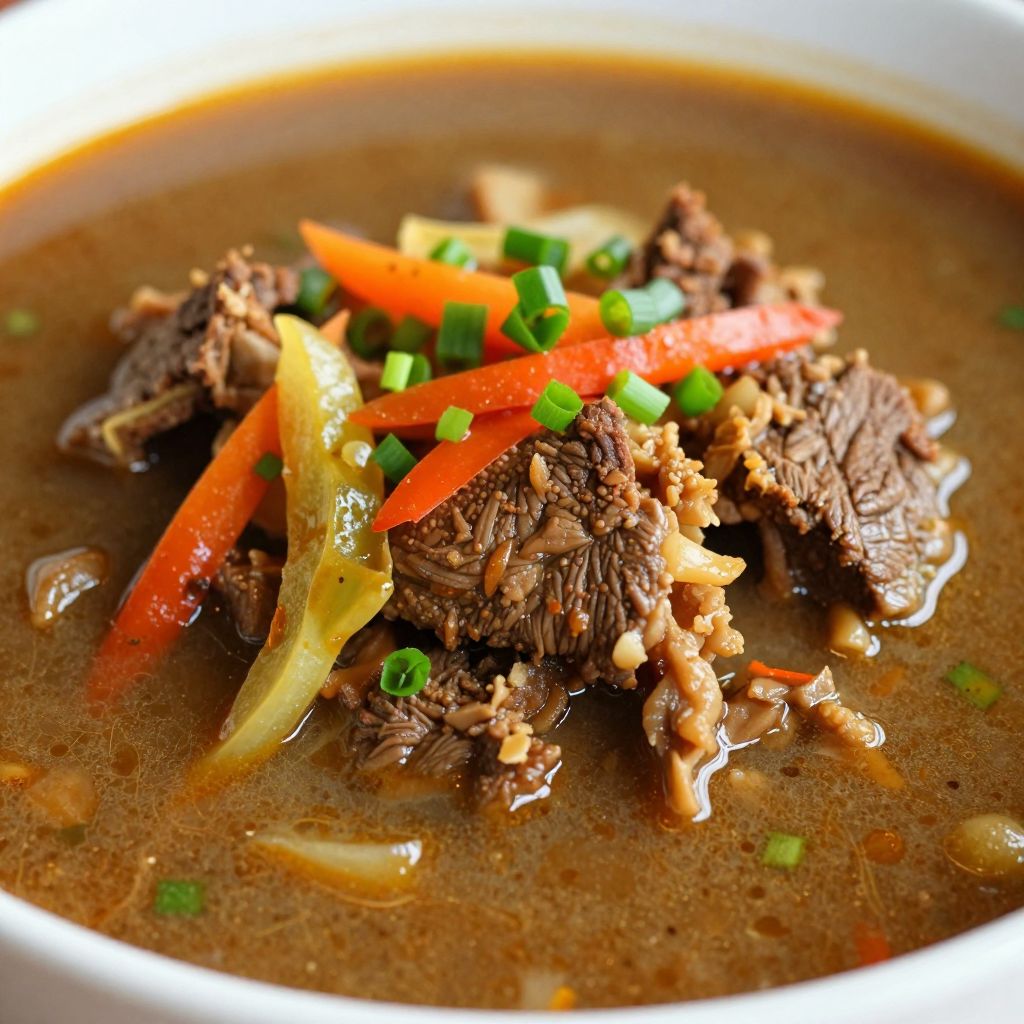
Step 1: Prepare the Meat
Start by cutting the beef into large chunks. This allows for even cooking and helps the flavors meld into the broth.
Step 2: Sear the Meat
In your large pot, sear the beef chunks over medium-high heat until browned. This step boosts flavor through the Maillard reaction.
Step 3: Add Water and Aromatics
Pour in the water and add the onion, garlic, and ginger. These aromatics will infuse the broth with rich, savory undertones.
Step 4: Simmer the Broth
Bring the mixture to a boil, then reduce the heat to low and let it simmer for about 1.5 hours. Low heat ensures the beef becomes tender and juicy.
Step 5: Skim Off Foam
During simmering, skim off any foam that forms on top. This keeps the broth clear and appealing.
Step 6: Add Vegetables
After 1.5 hours, add the potatoes and corn. These will cook through and soak up the delicious broth flavors.
Step 7: Season and Finish Cooking
Season with salt and pepper to taste, then add the cabbage. Continue to simmer for an additional 15 minutes or until the vegetables are tender.
Step 8: Serve and Enjoy
Once everything is cooked, serve hot in bowls with a sprinkle of fresh pepper. Enjoy the warmth and flavors of this classic dish.
Pro Tip: For the best flavor, let your broth simmer longer; it only gets better!
Tips for the Best Nilagang Baka
- Use quality beef: It makes all the difference in flavor and tenderness.
- Don’t rush the simmer: Give the broth time to develop richness.
- Fresh vegetables: Use seasonal ingredients for the best flavor.
- Taste as you go: Adjust seasoning for a perfectly balanced broth.
- Leftovers are great: This soup tastes even better the next day!
Common Mistakes to Avoid
- Skipping the searing step: This can lead to a bland broth.
- Not skimming the foam: It can make your soup cloudy.
- Overcooking the vegetables: This will turn them mushy.
- Not seasoning enough: A well-seasoned broth is key to deliciousness.
Serving Suggestions
Pair your Nilagang Baka with warm rice for a complete meal, and perhaps serve alongside a refreshing side salad. It’s perfect for family gatherings or a simple weeknight dinner.
- Cooked rice
- Stir-fried vegetables
- Freshly baked bread
- Chili sauce on the side
Variations to Try
- Add plantains for a hint of sweetness and texture.
- Incorporate bean sprouts for an extra crunch.
- Use sweet potatoes instead of regular potatoes for a twist.
- Try adding different greens like kale or bok choy.
Dietary Adaptations
- Gluten-free: This recipe is naturally gluten-free!
- Dairy-free: No dairy ingredients here.
- Low-carb/keto: Skip potatoes for a lower carb option.
- Vegetarian: Substitute beef with hearty mushrooms and vegetable broth.
Storage and Reheating
Refrigerator
Let the soup cool before transferring it to an airtight container.
- Store for up to 3 days in the refrigerator.
Freezer
This soup freezes well for future meals.
- Store in freezer-safe containers for up to 3 months.
Reheating
Reheat on the stove over medium heat until warmed through.
- Add a little water if the soup thickens during storage.
Nutrition Information
| Nutrient | Amount |
|---|---|
| Calories | 350 |
| Total Fat | 20g |
| Saturated Fat | 8g |
| Carbohydrates | 20g |
| Fiber | 3g |
| Sugar | 2g |
| Protein | 25g |
| Sodium | 500mg |
| Cholesterol | 80mg |
Note: Nutritional values may vary based on ingredients and portion sizes.
Frequently Asked Questions
Can I use a different cut of beef?
Yes, chuck roast also works well for this recipe and adds rich flavor.
How do I make this soup ahead of time?
You can prepare the soup a day in advance and reheat it before serving.
What is the best way to store leftovers?
Store leftovers in an airtight container in the refrigerator for up to 3 days.
My broth is too salty; what do I do?
Add extra water or a few chunks of uncooked potato to absorb excess salt.
Can I make it in a slow cooker?
Absolutely! Cook on low for 6-8 hours for tender and flavorful results.
Final Thoughts
Making Nilagang Baka brings warmth to the soul and joy to the table. I hope you enjoy this recipe as much as I do, soaking in every heartwarming sip.
If you’re looking for more comfort food inspiration, check out these bible verses about cooking and explore the bible verses about food. Happy cooking!
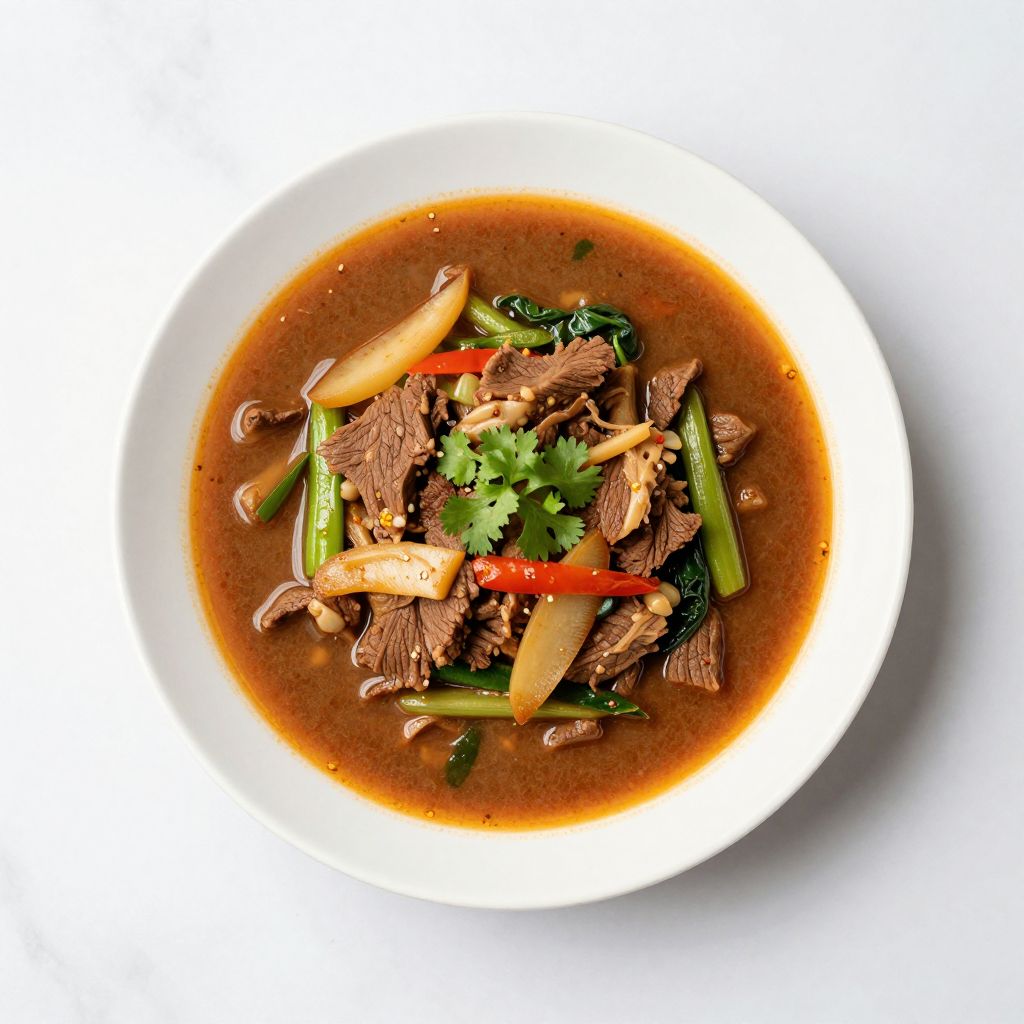
Nilagang Baka
Equipment
Method
- Start by cutting the beef into large chunks. This allows for even cooking and helps the flavors meld into the broth.
- In your large pot, sear the beef chunks over medium-high heat until browned to boost flavor through the Maillard reaction.
- Pour in the water and add the onion, garlic, and ginger. Bring to a boil.
- Reduce heat to low and let simmer for about 1.5 hours, skimming off foam as needed.
- After 1.5 hours, add the potatoes and corn to the pot. Continue to simmer.
- Season with salt and pepper to taste.
- Add the cabbage and cook for an additional 15 minutes, until vegetables are tender.
- Serve hot in bowls, optionally garnished with fresh pepper.