
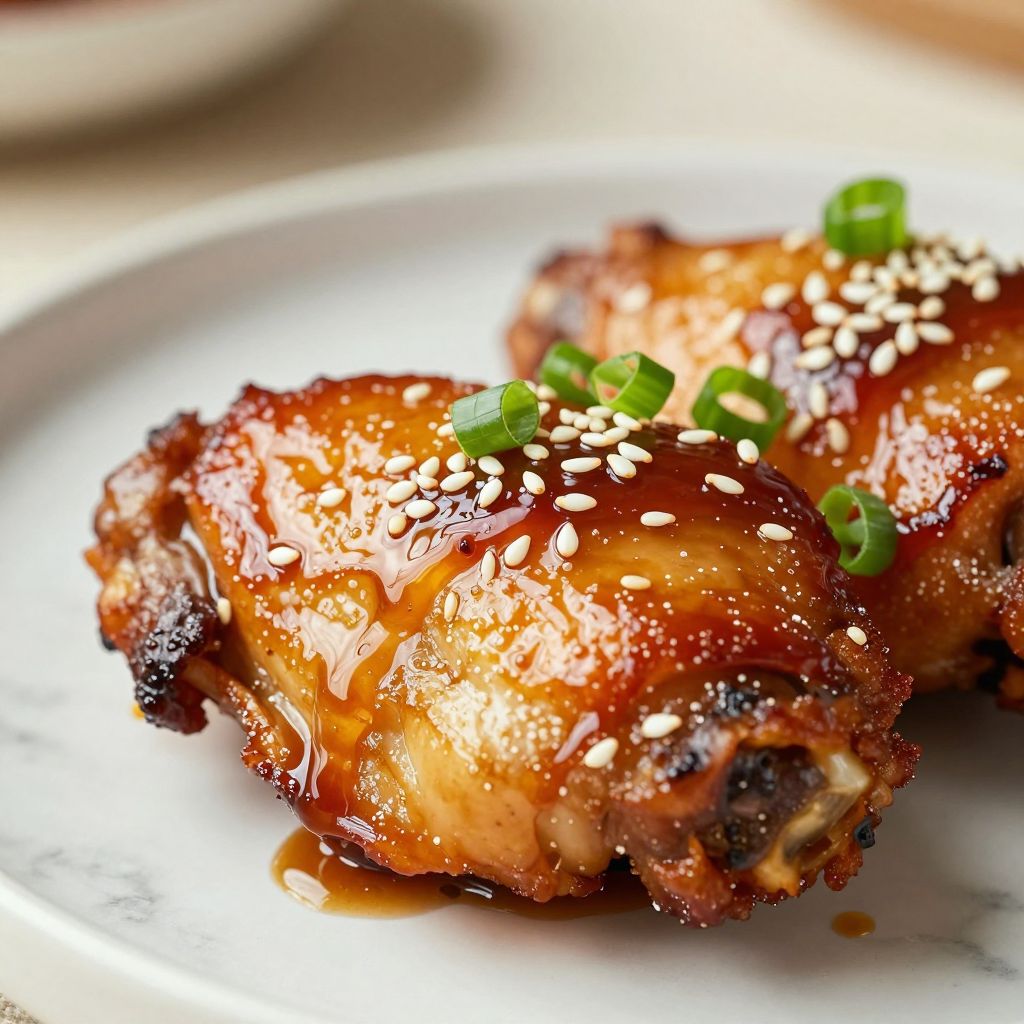
The aroma of shoyu chicken sizzling in a hot pan is the kind of smell that stops you mid-thought and pulls you straight into the kitchen. This Hawaiian-Japanese classic combines tender chicken thighs glazed in a savory-sweet soy sauce that tastes like restaurant-quality cooking without the fussy techniques.
Shoyu chicken works magic because it delivers maximum flavor with minimal effort. The glaze caramelizes beautifully, creating a shiny coating that clings to each piece of chicken while keeping the meat juicy underneath.
This recipe comes together in about 30 minutes total and feeds four people generously. Whether you serve it over rice, alongside roasted vegetables, or tucked into a poke bowl, it adapts to whatever you have on hand.
Why You’ll Love This Recipe
This dish hits all the marks for busy home cooks and weeknight dinners.
- Requires just one pan and a handful of pantry staples
- Chicken cooks in under 20 minutes from stovetop to table
- The glaze tastes deeply savory and slightly sweet without being cloying
- Leftovers are delicious cold or reheated, making it perfect for meal prep
- Easily scales up for company or down for two people
My Experience Making This Recipe
I first made shoyu chicken after ordering it at a local Hawaiian plate lunch spot and realizing I could replicate it at home. The first time I nailed the glaze consistency, I understood why people crave this dish.
My family demolished the entire batch in one sitting, which tells you everything you need to know. The chicken stayed moist, the sauce clung perfectly, and everyone asked for seconds before the first plate was even half empty.
Since then, I have made this at least once a month because it never fails to impress and requires zero stress in the kitchen. The beauty of shoyu chicken is that it tastes like you spent hours cooking when you actually spent 30 minutes.
Recipe Overview
- Recipe Name: Shoyu Chicken
- Servings: 4
- Prep Time: 10 minutes
- Cook Time: 20 minutes
- Total Time: 30 minutes
- Course: Main Dish
- Cuisine: Hawaiian-Japanese
- Calories per Serving: 380
Equipment You Will Need
- Large skillet or frying pan (12-inch preferably)
- Measuring cups and spoons
- Whisk or fork for mixing sauce
- Meat thermometer (optional but helpful)
- Tongs for flipping chicken
- Small bowl for combining sauce ingredients
- Paper towels for patting chicken dry
Ingredients for Shoyu Chicken
- 2 pounds bone-in, skin-on chicken thighs (about 6 to 8 pieces)
- 1/2 cup soy sauce (use regular soy, not low-sodium)
- 1/4 cup mirin (sweet rice wine)
- 3 tablespoons brown sugar
- 4 cloves garlic, minced
- 1 tablespoon fresh ginger, minced
- 1 tablespoon rice vinegar
- 2 tablespoons vegetable oil
- 1/4 teaspoon red pepper flakes (optional, for heat)
- 1 teaspoon sesame oil
- Salt and black pepper to taste
- 2 green onions, sliced (for garnish)
- 1 teaspoon sesame seeds (for garnish)
Ingredient Notes and Substitutions
- Soy sauce: Regular soy sauce provides the signature umami depth that makes this dish sing. Tamari works well as a gluten-free swap, though the flavor will be slightly less assertive.
- Mirin: This sweet rice wine adds subtle sweetness and body to the glaze. Combine one tablespoon honey with one tablespoon water if mirin is unavailable, though the result will taste less authentic.
- Brown sugar: It contributes caramel notes and helps the glaze stick to the chicken. Regular white sugar works fine as a one-to-one swap.
- Chicken thighs: Dark meat stays juicy during cooking and handles the high heat better than breasts. Bone-in, skin-on pieces render fat and develop crispy skin; boneless thighs work but cook faster and dry out more easily.
- Garlic and ginger: Fresh ingredients provide bright, sharp notes that canned or powdered versions cannot match. Mincing them finely ensures even distribution throughout the glaze.
- Sesame oil: A small amount adds nutty aroma and depth; use it sparingly because it overpowers quickly. Skip it if you do not have it on hand, though the dish loses some complexity.
How to Make Shoyu Chicken
Step 1: Pat the Chicken Dry
Remove the chicken thighs from the package and pat them thoroughly dry with paper towels. Moisture on the surface prevents proper browning and creates steam instead of a golden crust.
Step 2: Season the Chicken
Sprinkle both sides of each chicken thigh generously with salt and black pepper. This basic seasoning layer builds flavor depth before the glaze goes on.
Step 3: Make the Shoyu Glaze
In a small bowl, whisk together the soy sauce, mirin, brown sugar, minced garlic, minced ginger, rice vinegar, red pepper flakes, and sesame oil. Stir until the sugar dissolves completely and the mixture looks smooth and glossy.
Step 4: Heat the Skillet and Add Oil
Place a large skillet over medium-high heat and add the vegetable oil once the pan is hot. The high heat is critical because it creates a flavorful browned exterior on the chicken.
Step 5: Brown the Chicken Skin-Side Down
Place the chicken thighs skin-side down in the hot skillet and let them cook without moving for 6 to 7 minutes. The skin will render fat and turn golden brown, creating a barrier that keeps the meat juicy.
Step 6: Flip and Brown the Other Side
Using tongs, flip each thigh and cook the other side for 3 to 4 minutes until lightly browned. This second browning layer develops more flavor through the Maillard reaction.
Step 7: Add the Glaze and Simmer
Pour the shoyu glaze over the chicken, making sure each piece gets coated. Reduce the heat to medium and simmer for 5 to 8 minutes, turning the chicken occasionally to coat it evenly with the glaze.
Step 8: Check for Doneness
The chicken is done when the thickest part of the meat reaches 165 degrees Fahrenheit on a meat thermometer, or when the juices run clear when pierced. The glaze should thicken and coat the chicken like a lacquer.
Step 9: Finish with Garnish
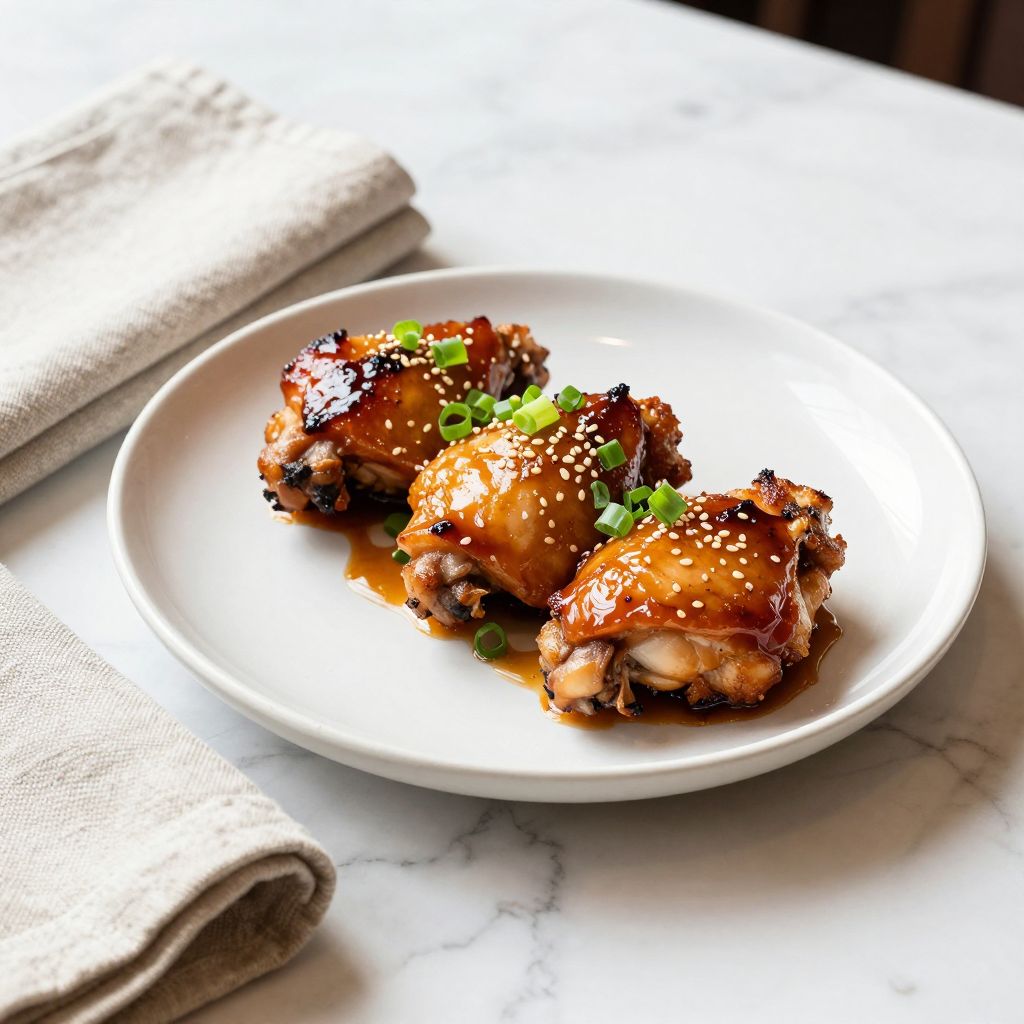
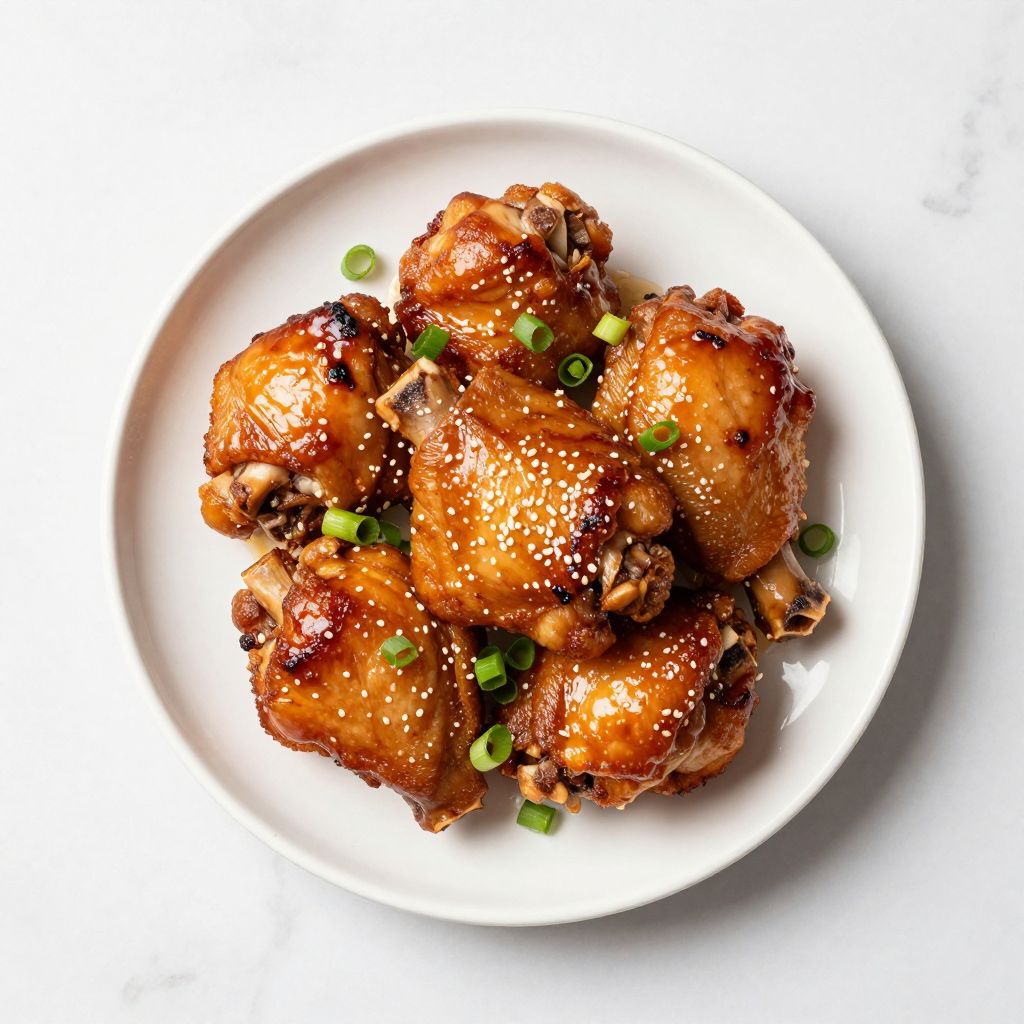
Transfer the chicken to a serving platter and pour any remaining glaze over the pieces. Scatter sliced green onions and sesame seeds on top for freshness and visual appeal.
Pro Tip: Do not overcrowd the skillet when browning the chicken; give each piece space so the skin makes contact with the hot pan and browns properly instead of steaming.
Tips for the Best Shoyu Chicken
- Use bone-in, skin-on chicken thighs because they stay moist and develop crispy skin that tastes incredible. Boneless breasts cook too quickly and tend to dry out before the glaze sets.
- Let the chicken rest in the hot skillet for a full 6 to 7 minutes on the skin side before flipping; do not fidget with it or poke it. Patience yields the best browning and crispiest skin.
- Make the glaze ahead of time and store it in the refrigerator for up to a week, making weeknight cooking even faster. Simply reheat it gently in a small saucepan before adding it to the chicken.
- If your glaze tastes too sweet, add one more tablespoon of soy sauce to balance the flavors. If it tastes too salty, add one teaspoon of rice vinegar or a pinch of brown sugar.
- Reserve some unglazed sauce before cooking if you plan to freeze leftovers; the glaze can separate when reheated, but fresh sauce added to warm chicken looks and tastes fresh.
- Serve the chicken immediately after cooking while the skin is still crispy and the glaze is still glossy. Letting it sit too long allows condensation to soften the skin.
Common Mistakes to Avoid
- Using wet chicken thighs: Surface moisture prevents browning and creates steam, resulting in pale, rubbery skin instead of a golden crust.
- Crowding the skillet: Placing too many thighs in the pan lowers the temperature and causes them to stew instead of sear, which ruins the texture.
- Moving the chicken around constantly: Flipping or shifting pieces prevents the skin from making contact with the hot pan, leaving you with a spotted, uneven color.
- Letting the glaze reduce too far: Over-reducing turns the sauce bitter and overly thick, coating the chicken in a crunchy shell instead of a shiny glaze.
- Cooking at too low a temperature: Medium heat instead of medium-high results in bland, pale chicken and a thin, watery glaze that slides right off.
Serving Suggestions
Shoyu chicken pairs beautifully with simple sides that let the savory glaze shine. Rice is the traditional accompaniment, but the dish works equally well with modern vegetable sides or grain bowls.
- Steamed jasmine or white rice to soak up the delicious glaze
- Roasted baby bok choy or broccoli for a lighter green vegetable
- Cucumber and carrot salad with rice vinegar dressing for a cool, crisp contrast
- Japanese-style potato salad with a creamy mayo base for comfort food vibes
- Pickled ginger and daikon radish as a palate-cleansing side
Variations to Try
- Spicy Shoyu Chicken: Add one half teaspoon of cayenne pepper or two teaspoons of sriracha to the glaze for a kick that builds heat without drowning the original flavors.
- Honey Ginger Shoyu Chicken: Replace half the mirin with honey and increase the fresh ginger to two tablespoons for a brighter, more aromatic version.
- Teriyaki Chicken: Reduce soy sauce to one quarter cup, increase mirin to one half cup, and add one tablespoon of cornstarch mixed with water to thicken the glaze into a glossy coating.
- Orange Shoyu Chicken: Zest one orange, juice one half orange, and add both to the glaze for citrus brightness that cuts through the salt and adds complexity.
- Vegetable Shoyu Chicken: Add one cup of sliced mushrooms, bell peppers, or snap peas to the skillet during the last five minutes of cooking to stretch the dish further and add texture.
Dietary Adaptations
- Gluten-Free: Use tamari instead of regular soy sauce; it contains no wheat and tastes nearly identical, though slightly less salty and complex.
- Dairy-Free: This recipe is already dairy-free as written; double-check that your mirin and soy sauce contain no hidden dairy additives.
- Vegan/Vegetarian: Substitute tofu blocks or cauliflower steaks for chicken and reduce the cooking time to 8 to 10 minutes total, as plant-based proteins cook faster and can dry out.
- Low-Carb/Keto: Reduce brown sugar to one tablespoon and mirin to two tablespoons, replacing the difference with additional soy sauce and one tablespoon of butter for richness.
Storage and Reheating
Refrigerator
Store shoyu chicken in an airtight container for up to four days. The flavors actually deepen slightly as the glaze sets into the meat.
- Cool the chicken completely before transferring to the refrigerator
- Store the glaze separately if you plan to freeze the chicken
- Consume within four days for the best texture and food safety
Freezer
Wrap cooled chicken pieces individually in plastic wrap and place them in a freezer-safe bag for up to three months. Freeze the glaze in an ice cube tray for easy portioning.
- Label the container with the date so you know when you froze it
- Remove as much air as possible before sealing to prevent freezer burn
- Thaw in the refrigerator overnight before reheating
Reheating
Reheat the chicken gently in a skillet over medium heat with a splash of water or fresh glaze to prevent it from drying out. Microwave works in a pinch but can make the skin rubbery.
- Heat until the internal temperature reaches 165 degrees Fahrenheit
- Add a tablespoon of glaze or soy sauce to restore moisture
- Cover the skillet with a lid to trap steam and keep the chicken tender
Nutrition Information
| Nutrient | Amount |
|---|---|
| Calories | 380 |
| Total Fat | 22g |
| Saturated Fat | 6g |
| Carbohydrates | 12g |
| Fiber | 0g |
| Sugar | 10g |
| Protein | 38g |
| Sodium | 950mg |
| Cholesterol | 145mg |
These values are estimates based on standard ingredients and a four-serving yield. Actual nutrition varies depending on your exact ingredient brands and portion sizes.
Frequently Asked Questions
Can I use chicken breasts instead of thighs?
You can, but the results will be less forgiving because breast meat dries out quickly. Cook skin-on breasts for only 12 to 15 minutes total and watch them closely to prevent overdrying.
What if I do not have mirin?
Mix one tablespoon of honey with one tablespoon of water as a substitute; it will not taste quite as authentic but delivers similar sweetness. Alternatively, use one quarter teaspoon of vanilla extract plus extra brown sugar.
How do I know when the chicken is done?
Use a meat thermometer and aim for 165 degrees Fahrenheit in the thickest part of the thigh without touching bone. The juices should run clear when you pierce the meat with a knife.
Can I make this dish ahead of time?
Make the glaze up to a week ahead and store it in the refrigerator, then cook the chicken fresh when you are ready to eat. The chicken itself keeps for four days refrigerated but tastes best within two days.
Why is my glaze not sticking to the chicken?
Your heat might be too low, or you might not be simmering long enough; the glaze needs 5 to 8 minutes to thicken and cling. Also check that you are not over-reducing the sauce, which makes it too thick to coat properly.
Can I double this recipe?
Yes, you can easily double or triple the batch, but use a larger skillet or cook in two batches rather than cramming everything into one pan. Crowding prevents proper browning and results in steamed rather than seared chicken.
Final Thoughts
Shoyu chicken proves that restaurant-quality food does not require complicated techniques or rare ingredients. This recipe delivers authentic flavor using items you likely have in your pantry right now.
Make this dish this week and watch how quickly it becomes a regular rotation in your kitchen. The combination of crispy skin, tender meat, and glossy savory-sweet glaze is something your whole family will request again and again.
If you love this recipe, explore more chicken options like our melt in your mouth chicken recipe for weeknight inspiration or try our honey sesame chicken recipe for another glazed variation.
Shoyu Chicken
Ingredients
Equipment
Method
- Pat the chicken thighs dry with paper towels to remove excess moisture.
- Season both sides of each chicken thigh with salt and black pepper.
- In a small bowl, whisk together 1/2 cup soy sauce, 1/4 cup mirin, 3 tablespoons brown sugar, 4 cloves minced garlic, 1 tablespoon minced ginger, 1 tablespoon rice vinegar, 1/4 teaspoon red pepper flakes, and 1 teaspoon sesame oil until the sugar dissolves and the glaze is smooth.
- Heat a 12-inch skillet over medium-high heat and add 2 tablespoons vegetable oil once the pan is hot.
- Place the chicken thighs skin-side down in the hot skillet and cook without moving for 6 to 7 minutes until the skin is golden brown.
- Flip the chicken thighs and cook the other side for 3 to 4 minutes until lightly browned.
- Pour the prepared shoyu glaze over the chicken, reduce heat to medium, and simmer for 5 to 8 minutes, turning the chicken occasionally to coat evenly.
- Check that the chicken reaches 165°F in the thickest part or that the juices run clear; the glaze should be thick and glossy.
- Transfer the chicken to a serving platter, spoon any remaining glaze over the top, and garnish with sliced green onions and sesame seeds.