
Angels have fascinated humanity for centuries, serving as messengers of the divine across various religious texts. This article examines what angels look like according to the Bible, drawing from scriptural descriptions, traditional interpretations, and their significance within the Christian faith.
In biblical literature, angels are often depicted with a variety of attributes and forms, reflecting their roles as intermediaries between God and humanity. As we delve into the biblical depictions of angels, we will explore their appearances, attributes, and deeper meanings through various scriptural references.
What Do Angels Look Like According to the Bible?
In the Bible, angels are described in various forms, ranging from human-like figures to supernatural beings with unique characteristics. Understanding these descriptions helps illuminate their purpose and significance in biblical narratives.
Human-Like Appearance
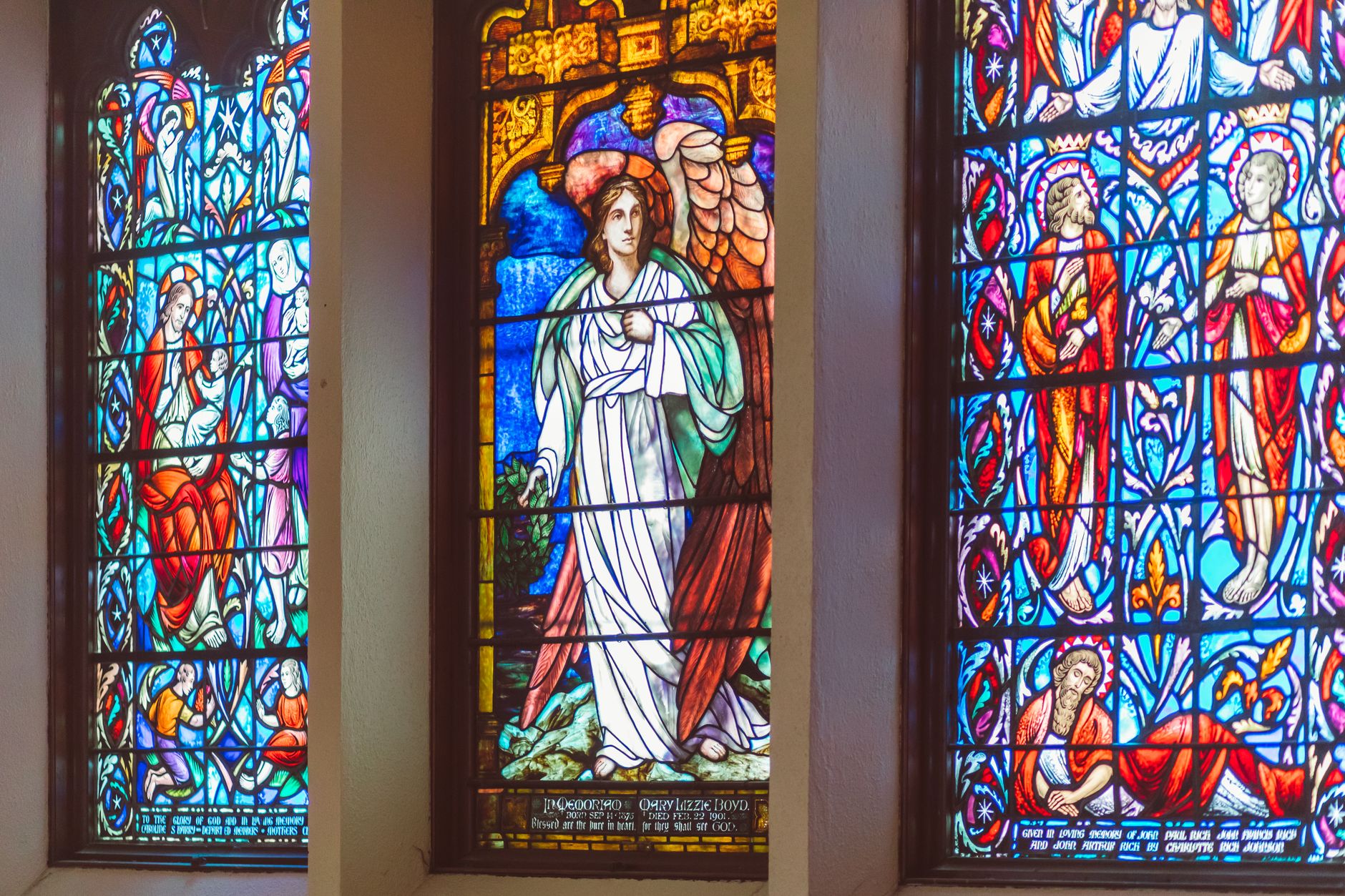
Many angels in the Bible are described as having a human-like appearance. This is evident in numerous instances where angels visit humans, appearing unexpectedly:
- In Genesis 18, three men visit Abraham, and it is later revealed that they are angels.
- In the Book of Judges, an angel appears to Manoah and his wife, looking like a man (Judges 13:6).
- In the New Testament, the angel who announces Jesus’ resurrection appears as a young man dressed in white (Mark 16:5).
These accounts highlight that angels often assume a familiar form to convey messages and assist humans effectively. The human-like appearance underscores their role in bridging the divine and human realms.
Angels with Supernatural Features
While many angels appear human, other biblical descriptions depict them with unique and sometimes awe-inspiring features:
- Seraphim, as described in Isaiah 6, are heavenly beings with six wings; two cover their faces, two cover their feet, and two are used for flying.
- In Ezekiel 1, the prophet describes a vision of cherubim, beings that have four faces—those of a man, a lion, an ox, and an eagle—and four wings.
- In Revelation 4:6-8, John describes living creatures around God’s throne with various attributes, each with six wings filled with eyes.
These supernatural features symbolize their might and the glory of God they represent. They are often depicted as commanding reverence and awe due to their otherworldly presence.
The Symbolism of Angelic Appearances
Understanding the appearances and roles of angels in the Bible goes beyond their physical descriptions; these figures embody profound spiritual truths.
Messengers of God
One of the primary roles of angels is serving as God’s messengers. The name “angel” itself comes from the Greek word “angelos,” meaning messenger. This theme can be found in several key biblical texts:
- The angel appears to Mary to announce the birth of Jesus (Luke 1:26-38).
- In Matthew 1:20-21, an angel reassures Joseph regarding Mary’s pregnancy, guiding him to take her as his wife.
- After Jesus’ resurrection, angels proclaim the good news to the women at the tomb.
Their appearances often coincide with significant turning points in biblical history, reinforcing their role as divine intermediaries.
Guardians and Protectors
Angels are also described as guardians, tasked with protecting the faithful:
- Psalm 91:11-12 states, “For he will command his angels concerning you to guard you in all your ways.”
- In Matthew 18:10, Jesus speaks of angelic guardians assigned to children.
This protective role highlights the caring nature of God towards His creation, emphasizing that angels act as His instruments of love and care.
Variations Across Traditions
While this article primarily focuses on Christian views of angels, it is essential to acknowledge that various other religious traditions have their interpretations of angelic beings:
- In Islam, angels (Mala’ika) are also messengers of God, created from light and described as possessing unique abilities.
- Jewish tradition interprets some biblical descriptions of angels as having distinct hierarchies, such as archangels, cherubim, and seraphim.
These perspectives enrich our understanding of angels across traditions, demonstrating the universal human fascination with spiritual beings that connect us to the divine.
Practical Reflections on Angels
Engaging with the biblical concept of angels can inspire personal reflection and spiritual growth:
- Consider the role of messages in your life. Are there moments where you felt guided or inspired by an unseen presence?
- Reflect on the protective nature of angels as a reminder of God’s care in difficult times.
- Think about how you can be a messenger of encouragement and support for those around you, just as angels do.
These reflections can deepen one’s connection to faith and the belief in divine intervention, encouraging a more profound appreciation for the spiritual dynamics at play in daily life.
Your Personal Role as a Messenger
Inspired by the angelic model, consider how you can function as a messenger of hope and kindness in your community.
- Identify a person or group in your community who might need encouragement.
- Reach out to them, whether through a phone call, email, or even a handwritten note.
- Share a meaningful message or scripture that uplifts and inspires them.
- Be present in their life, offering support and listening to their struggles.
By embodying the qualities of angels, you can play a part in bringing light and hope to those who might be struggling.
Conclusion
Understanding what angels look like according to the Bible enriches our comprehension of their role as messengers, protectors, and divine intermediaries. Their varied descriptions—from human-like figures to celestial beings—reflect profound truths about God’s interaction with humanity. As we consider the significance of angels in our lives, let us aspire to act as messengers of love and support for one another, embodying the very essence of what they signify.
If you are interested in exploring related topics, consider reading about prayer in the context of food with our article on Bible Verses About Food or discover ways to express gratitude in Prayers for Food.