
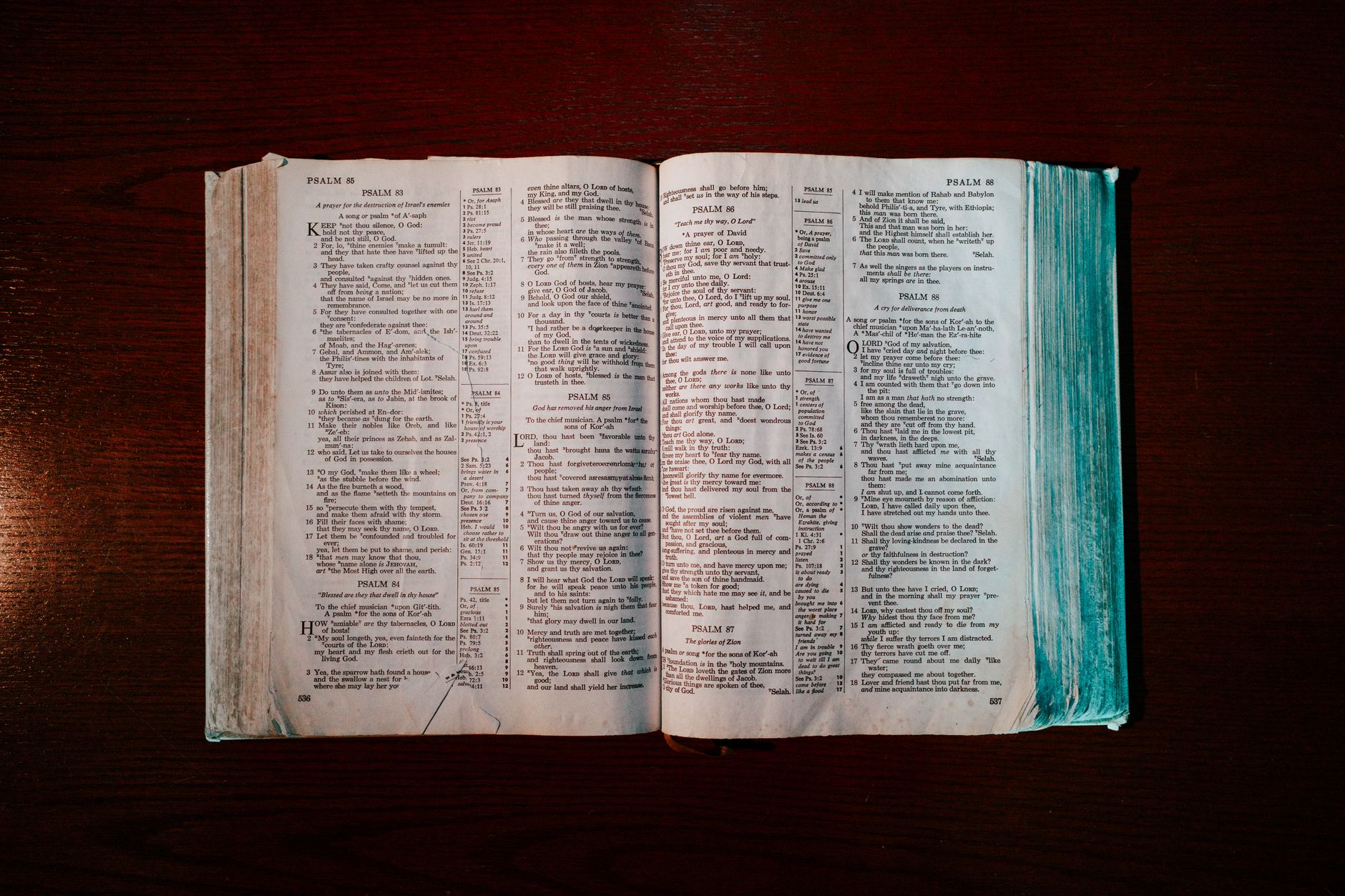
Choosing a book of the Bible to read first is a significant decision for many individuals seeking spiritual growth and understanding. The Bible contains numerous books, each offering unique perspectives on faith, morality, and the relationship between humans and the divine. In this exploration, we will provide guidance on which book may be best suited for newcomers and how to approach this ancient text.
Many readers ask themselves, “What book of the Bible should I read first?” The answer often depends on one’s personal spiritual journey and what aspects of faith they wish to explore initially. Below, we will discuss some beginner-friendly books and their key themes.
What Book of the Bible Should I Read First?
For new readers, starting with the Gospels or wisdom literature is usually recommended. Here are a few suggestions:
- The Gospel of John: This book is known for its profound spiritual insights and straightforward narrative style. It emphasizes the divinity of Jesus and introduces core Christian beliefs.
- The Gospel of Mark: Mark’s Gospel is the shortest and most action-oriented, making it accessible for those new to the Bible. It focuses on events of Jesus’ life and ministry.
- The Book of Psalms: This collection of prayers and hymns expresses a wide range of human emotions, from joy to despair, and provides insights into the spiritual life.
- The Book of Proverbs: Offering practical guidance for daily living, Proverbs is filled with wisdom that can be applied in various situations.
The Gospels: A Starting Point for Understanding Jesus
The Gospels—Matthew, Mark, Luke, and John—are foundational texts in the New Testament that recount the life, teachings, and works of Jesus Christ. Here’s a brief overview of why they might be great starting points:
The Gospel of John
This Gospel is renowned for its theological depth. It interprets the identity of Jesus as the Word made flesh (John 1:14) and emphasizes his relationship with God. Themes of love, light, and belief run throughout, making it rich for reflection and meditation.
The Gospel of Mark
As the earliest Gospel written, Mark offers a raw and fast-paced account of Jesus’ ministry. The emphasis on miracles and the immediacy of Jesus’ actions can inspire readers to contemplate their faith in a dynamic way.
Wisdom Literature: Practical Insights for Daily Life
In addition to the Gospels, wisdom literature in the Old Testament, such as Proverbs and Psalms, provides valuable teachings aimed at fostering ethical and spiritual living.
The Book of Psalms
The Psalms are a collection of poetic prayers that express the human experience in relation to the divine. Reading the Psalms can cultivate a sense of peace and connection with God, encouraging reflection on personal faith and emotions.
The Book of Proverbs
This book contains timeless wisdom on various aspects of life, including relationships, work, and morality. It is especially beneficial for those seeking guidance on making wise choices in everyday situations.
How to Approach Reading the Bible
Reading the Bible can seem daunting due to its size and complexity. However, there are several strategies to make the process more manageable and enriching:
- Pray for Guidance: Begin your reading with a prayer, asking for understanding and insight as you explore the Scriptures.
- Choose a Good Translation: Select a translation that resonates with you. Popular options include the New International Version (NIV), English Standard Version (ESV), and New Living Translation (NLT).
- Take Your Time: Rather than rushing through multiple chapters, consider focusing on a single chapter or passage each day. Reflect on its meaning and relevance to your life.
- Use a Study Guide: Consider using a study Bible or a guide that provides context and explanations, which can enhance your understanding.
- Join a Study Group: Participating in a Bible study group can provide community support and deepen your understanding through shared insights.
The Role of Context in Understanding Scripture
Understanding the historical and cultural context of the Bible is vital. The Scriptures were written in specific times and places, and knowledge of this context can enhance comprehension of their messages. Here are a few aspects to consider:
- Historical Context: Familiarizing oneself with the historical background of the time when a particular book was written can illuminate its meaning.
- Cultural Context: Understanding the norms and practices of ancient communities can help clarify certain passages or teachings.
- Literary Context: Recognizing different literary styles within the Bible, such as parables, poetry, or law, can shape our interpretation and application of the texts.
The Importance of Reflection and Application
As you read and engage with the Bible, it’s important to reflect on how its teachings apply in your life. Ask yourself questions such as:
- What does this passage teach about God?
- How can I apply this lesson in my daily life?
- What emotions or thoughts does this scripture evoke in me?
Such reflections can deepen your understanding and enrich your spiritual journey.
Conclusion
Choosing the right book of the Bible to read first lays a crucial foundation for your spiritual journey. The Gospels, especially John or Mark, alongside Proverbs and Psalms, offer rich insights suitable for newcomers. Remember to approach your reading with prayer, reflection, and a commitment to understanding.
As you embark on this journey, consider what personal spiritual growth means to you. Engage with the text, and allow it to resonate in your life. Begin your exploration with the assurance that study and reflection can open avenues to deeper knowledge and faith.
To further your understanding of faith and spirituality, revisit articles on Bible verses about food for the soul and discover the significance of fasting in your spiritual life by exploring prayers for fasting.