
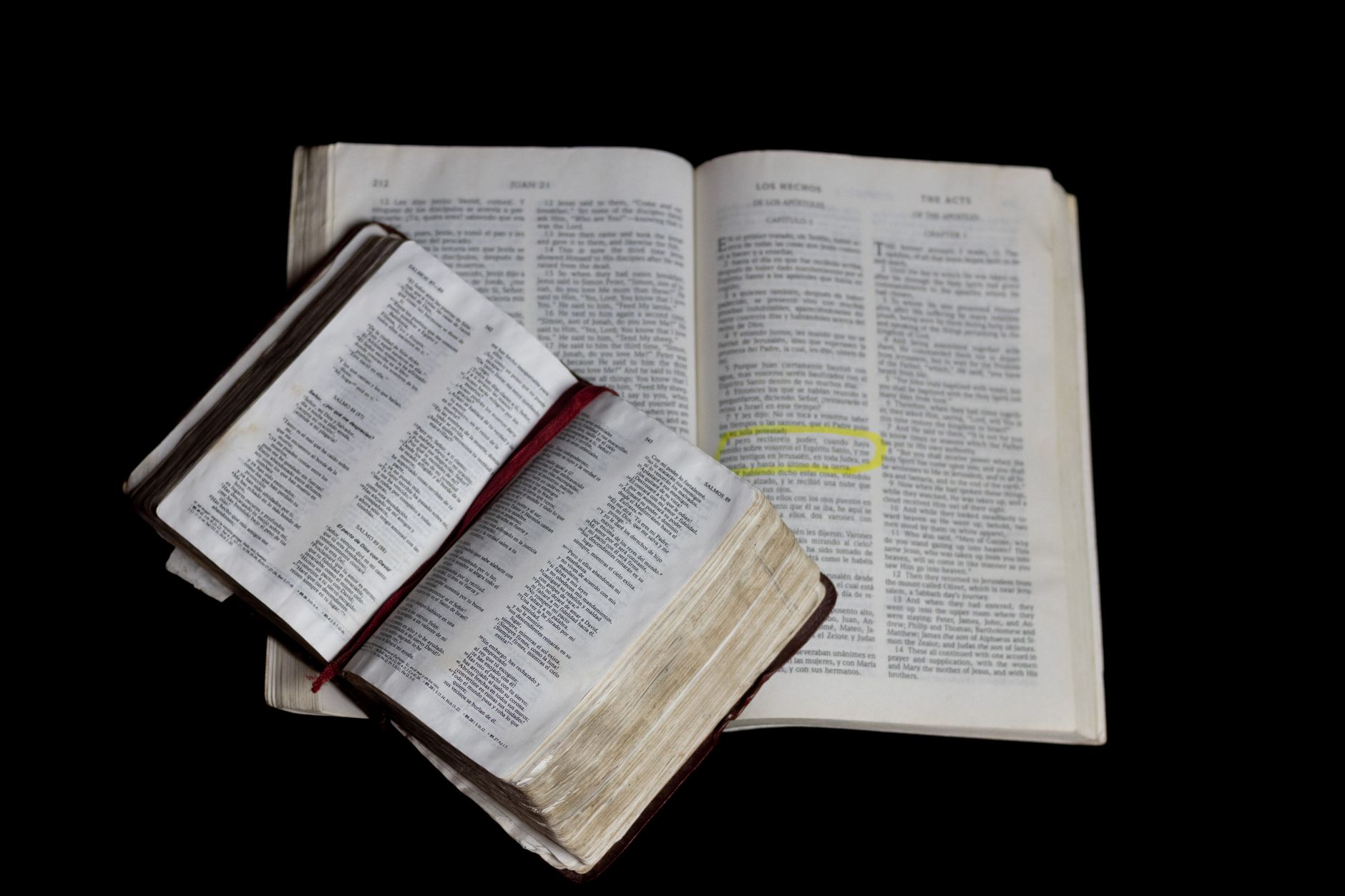
The exploration of biblical texts is a journey that many embark on in search of spiritual growth, guidance, and understanding. One common question arises among those seeking to deepen their relationship with the Scriptures: “What Book of the Bible should I read?” This article will delve into the factors influencing the choice of a biblical book, providing context, themes, and connections to scripture that may resonate with your spiritual journey.
Choosing a book from the Bible isn’t just about comfort or familiarity; it often reflects a person’s spiritual needs, life experiences, and questions. Below, we explore various books of the Bible, their unique attributes, and how they might serve as a resource for personal reflection or collective study.
What Book of the Bible? (Explained With Scripture)
Choosing the right book from the Bible can depend on a person’s spiritual questions, life circumstances, and areas of interest. Key themes such as faith, love, forgiveness, and purpose permeate many of these texts, offering profound insight and wisdom. Here, we will highlight several books and their significance.
The Pentateuch: Foundations of Faith
The first five books of the Bible, known as the Pentateuch—Genesis, Exodus, Leviticus, Numbers, and Deuteronomy—serve as an essential starting point for understanding the foundations of the Judeo-Christian tradition. These texts not only contain historical narratives but also formulate core teachings about God, humanity, and ethical behavior.
Genesis
Genesis is rich in creation stories and foundational narratives, including the creation of the world, the lives of the patriarchs, and the establishment of God’s covenant with humanity. Key themes include:
- Creation and origin
- Faith through trials (e.g., Abraham’s willingness to sacrifice Isaac)
- The complexities of human relationships
Genesis invites readers to reflect on their origins and personal relationships with God.
Exodus
Exodus depicts the liberation of the Israelites from Egypt, showcasing themes of freedom and divine intervention. It introduces Moses as a leader and the significance of the Ten Commandments. Readers may find resonance in themes of:
- Redemption and liberation
- Faith in guiding leadership
- Covenantal relationship with God
Exodus encourages believers to consider their own paths toward freedom and divine purpose.
The Historical Books: Lessons from Israel’s Journey
The historical books—Joshua, Judges, Ruth, Samuel, Kings, Chronicles, Ezra, Nehemiah, and Esther—chronicle the narrative of the Israelite people, their conquests, failures, and eventual exile. They provide insights into communal identity and faithfulness.
Joshua
Joshua recounts the Israelites’ entrance into the Promised Land and God’s faithfulness in fulfilling His promises. It highlights the importance of trust and obedience, which can be reflective of personal challenges. Key takeaways include:
- The importance of faith in daunting circumstances
- Unity in the face of challenges
This book invites readers to identify their personal “promised lands” and the faith required to approach them.
Esther
The Book of Esther presents a powerful story of courage and advocacy amidst oppression. Esther’s bravery, in risking her life for her people, resonates with themes of:
- Divine providence
- Courageous leadership
- Faithful advocacy for justice
Esther encourages readers to consider how they can stand for what is right in their own contexts.
The Wisdom Literature: Searching for Meaning
The books of Job, Psalms, Proverbs, Ecclesiastes, and Song of Solomon contain reflections on life’s complexities and divine wisdom. They often address human struggles and the search for understanding through a spiritual lens.
Proverbs
Proverbs offers practical wisdom for everyday living, addressing how to navigate relationships and ethical dilemmas. Readers may appreciate:
- Guidance for moral living
- Advice for interpersonal relationships
- Insights into the nature of wisdom and folly
This book can serve as a daily resource for those seeking practical spiritual guidance.
Job
The Book of Job explores profound themes of suffering, faith, and divine sovereignty. Readers may wrestle with questions such as:
- Why do the righteous suffer?
- How can one maintain faith in adversity?
Job provides an invitation to confront difficult questions and reaffirm faith despite life’s challenges.
The Prophetic Books: Call to Action
The prophetic books—Isaiah, Jeremiah, Lamentations, Ezekiel, and the twelve minor prophets—contain messages of social justice, divine judgment, and hope for restoration. These books challenge readers to consider their roles in advocating for justice and mercy.
Isaiah
Isaiah offers profound prophecies concerning both judgment and hope, emphasizing God’s heart for justice. Key themes include:
- The call to repentance
- The promise of a coming Messiah
- Social justice and advocacy
Isaiah invites readers to reflect on their responsibilities to the larger community and divine call for righteousness.
Amos
Amos starkly addresses issues of social justice and the consequences of ignoring the plight of the marginalized. Important lessons include:
- God’s demand for justice
- The danger of complacency
Amos’s call resonates with contemporary issues, urging readers to foster social change in their communities.
The Gospels: The Life and Teachings of Jesus
The Gospels—Matthew, Mark, Luke, and John—are central to Christian faith, presenting accounts of Jesus’s life, teachings, death, and resurrection. Each Gospel offers a unique perspective, inviting readers to engage with Jesus’s message.
Matthew
Matthew emphasizes Jesus’ fulfillment of Old Testament prophecies and teachings on the Kingdom of Heaven. Themes include:
- The Sermon on the Mount
- The importance of discipleship
Matthew invites readers to reflect on their commitment to living out Jesus’s teachings in their daily lives.
John
John’s Gospel presents profound theological insights into the nature of Christ, emphasizing His divinity. Key messages include:
- The importance of love and community
- Understanding the concept of eternal life
Readers are encouraged to explore their understanding of community, love, and their relationship with God through Jesus.
The Epistles: Guidance for the Early Church
The letters in the New Testament, primarily authored by Paul and other apostles, provide guidance to early Christian communities. They offer reflections on theology, ethics, and community living.
Romans
Paul’s letter to the Romans presents key theological principles of salvation, grace, and faith. Key takeaways include:
- The nature of sin and redemption
- The power of faith in community
Romans invites readers to contemplate the implications of grace in their lives and communities.
Philippians
In Philippians, Paul expresses joy amid trials and encourages believers to live harmoniously. Important themes include:
- The importance of joy and gratitude
- Unity and humility in relationships
Philippians can provide comfort and encouragement for readers facing personal and communal challenges.
Revelation: Hope and Fulfillment
The final book of the Bible, Revelation, offers apocalyptic visions and underscores the ultimate hope of Christ’s return. Themes include:
- Encouragement in suffering
- The promise of God’s ultimate justice
Readers are invited to remain steadfast in their faith, even in turbulent times.
Practical Reflections and Spiritual Exercises
When seeking to determine which book to read, consider your spiritual needs and areas of curiosity. Engaging with the Scriptures can include various practices, such as:
- Reflection Journaling: After reading a passage, write down your thoughts, questions, and how it applies to your life.
- Discussion Groups: Engage with a community or group to discuss insights, questions, and diverse perspectives on the texts.
- Prayerful Reading: Approach the Scriptures with prayer, inviting guidance and understanding into your reading.
- Theme Exploration: Select a theme (e.g., forgiveness, hope, justice) and examine various books that address it.
- Memorization: Choose verses that resonate with you and commit them to memory for daily reflection.
By actively engaging with the text, readers can deepen their understanding and appreciate the layers of wisdom found within the Scriptures.
As you navigate the rich tapestry of the Bible, consider what insights and guidance resonate with your current spiritual journey. May this exploration lead you to a deeper connection with God and a greater understanding of your faith.
For further spiritual growth and understanding, explore related topics such as Bible Verses About Food or Prayers for Food to nourish both body and spirit.