
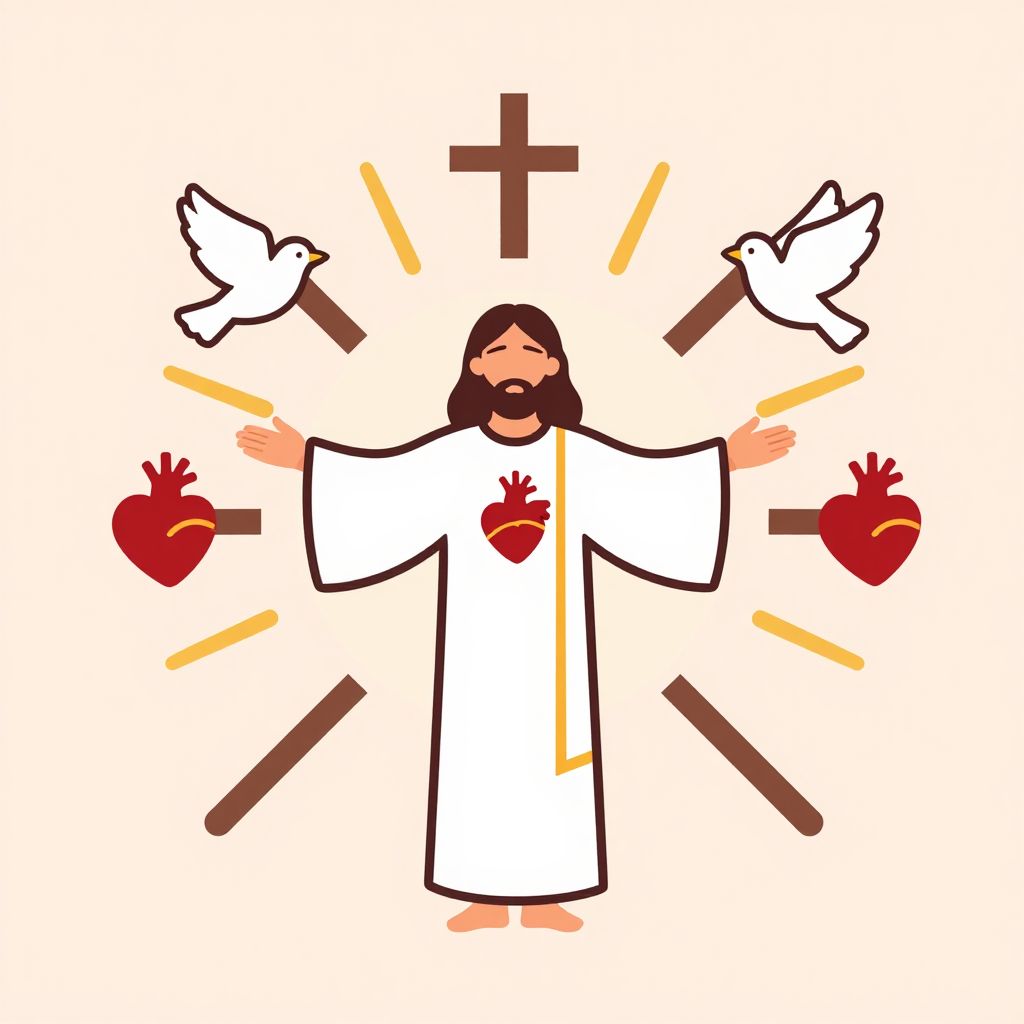
Many people ponder the question: “Who is Jesus to me?” This question can lead to deep spiritual reflection for many individuals, yet Catholics examine this even further through the lens of faith and tradition. Understanding what Catholics believe about Jesus is essential to unraveling the layers of faith, devotion, and spiritual practice within this vibrant tradition.
The beliefs about Jesus form the core of Catholic faith. To explore these beliefs effectively, we will delve into key aspects such as His divinity, humanity, role in salvation, and how His teachings guide daily life. Each of these elements connects back to Scripture and church teachings, revealing the heart of Catholic doctrine.
What Do Catholics Believe About Jesus?
Catholics believe that Jesus is the Son of God, who became incarnate to save humanity from sin and death. They hold that He is both fully divine and fully human, embodying the perfect union of both natures. Jesus’ resurrection signifies the promise of eternal life and the fulfillment of God’s salvation plan.
Divine Nature of Jesus
At the heart of Catholic teaching lies the belief in the divinity of Jesus. The Nicene Creed states, “For us and for our salvation, He came down from heaven.” This pivotal belief asserts that Jesus is not merely a prophet or a good teacher, but truly God incarnate. John 1:14 declares, “The Word became flesh and made his dwelling among us.”
The divinity of Jesus is foundational for Catholics. They believe that in Jesus, God revealed His true nature and desires for humanity. Jesus performed miracles, demonstrated authority over sin, and offered forgiveness—acts that affirm His divine identity.
Humanity of Jesus
Equally important to Catholic belief is the humanity of Jesus. He experienced life as we do, feeling joy, sorrow, pain, and love. In Philippians 2:7, Scripture reminds us that He “took the very nature of a servant.” This connection to human experience allows believers to relate to Him on a personal level.
Why is it significant that Jesus is fully human? By experiencing humanity, Jesus serves as our ultimate model. His compassion and humility illustrate how humans should live their lives. His agony in the Garden of Gethsemane shows He understands our struggles, making His sacrifice for us profoundly meaningful.
The Role of Jesus in Salvation
Catholics believe in the saving work of Jesus through His death and resurrection. Romans 1:16 states, “For I am not ashamed of the gospel, because it is the power of God that brings salvation to everyone who believes.” Jesus’ sacrificial death on the cross serves as the ultimate act of love, reconciling humanity with God.
The resurrection of Jesus is the triumph over sin and death, affirming the promise of eternal life. 1 Corinthians 15:20-22 explains this resurrection, indicating that Jesus’ victory over death offers hope and assurance of future resurrection for all believers.
Jesus as the King
Catholics view Jesus not only as a savior but also as King. In Revelation 19:16, He is referred to as “King of kings and Lord of lords.” This reign influences the moral and ethical framework of Catholic teaching.
The kingship of Jesus encourages believers to acknowledge His authority in all aspects of life. This acknowledgment shapes one’s relationship with God, urging diligence in living out the values that Jesus taught. By submitting to His authority, Catholics recognize the importance of justice, love, and mercy.
How Jesus’ Teachings Shape Catholic Life
Catholic Christians follow Jesus’ teachings as a guide for daily living. His messages of love, charity, and forgiveness serve as a call to action. John 13:34 illustrates this: “A new command I give you: Love one another. As I have loved you, so you must love one another.”
Every Catholic is called to embody Christ’s teaching in their interactions with others. This belief inspires community outreach, charitable works, and interpersonal relationships grounded in compassion. Are you living out this call to love in your own life?
The Sacraments and Jesus’ Presence
Catholics experience Jesus’ presence through the sacraments, which are seen as outward signs of inner grace. The Eucharist is the most significant sacrament, where Catholics believe in the Real Presence of Jesus. In John 6:51, Jesus declares, “I am the living bread that came down from heaven.”
The Eucharist nourishes the soul and connects believers to Jesus deeply. Each mass offers the opportunity to receive His body and blood, reaffirming the intimate relationship between Jesus and His followers.
Mary’s Role
The relationship between Jesus and Mary holds deep significance for Catholics. Mary, as the mother of Jesus, plays a crucial role in salvation history. Luke 1:28 recounts the angel Gabriel’s greeting: “Hail, Mary, full of grace, the Lord is with you.”
Catholics honor Mary as an intercessor, trusting in her prayers to Jesus on their behalf. This relationship underscores the importance of family love and devotion, mirroring the love Jesus had for His earthly family.
The Calling of Discipleship
Catholics believe that following Jesus requires active discipleship. Jesus called His disciples to “come, follow me” (Matthew 4:19). This call extends to all believers today, motivating a life steeped in prayer, service, and love.
Embracing discipleship means living in a way that reflects Jesus’ character. This involves ongoing transformation, seeking to embody His values within a broken world. What steps can you take to forge a deeper relationship with Jesus on this path?
Hope in Jesus
Catholics find hope in Jesus, believing in eternal life and the promise of salvation. This hope is not merely wishful thinking; it’s grounded in the promises found in Scripture. Consider Romans 5:5, which states, “And hope does not put us to shame, because God’s love has been poured out into our hearts.”
This profound hope fuels the journey of faith. It invites believers to endure trials and tribulations, recognizing that Jesus walks with them through every storm. In times of uncertainty, how does resting in Jesus’ promise of hope change your perspective?
Traditions Reflecting Belief in Jesus
Catholic traditions reinforce belief in Jesus’ teachings and presence. The liturgical year is filled with feasts and celebrations that honor His life. Christmas celebrates His incarnation, while Easter focuses on His resurrection.
Such traditions cultivate a rhythm of faith in believers, serving as reminders of the life and legacy of Jesus. Participating in these rituals fosters community and a shared understanding of faith. How do these practices inspire your relationship with Jesus?
Scripture as the Foundation
Scripture holds a vital place in understanding who Jesus is. The Bible serves as a living document, revealing God’s plan of salvation through Jesus. John 20:31 states, “But these are written that you may believe that Jesus is the Messiah, the Son of God, and that by believing you may have life in his name.”
Catholics are encouraged to read and reflect on Scripture regularly. It informs their understanding of Jesus, strengthening their faith and guiding their actions. How often do you engage with Scripture as a means to deepen your relationship with Him?
Conclusion: A Lifelong Exploration
In summary, Catholics believe Jesus is the Son of God, fully divine and fully human, whose life, death, and resurrection serve as the foundation for salvation. His teachings shape the moral framework of believers, and His presence in the sacraments nurtures spiritual growth. Understanding these beliefs invites a deeper commitment to following Jesus daily.
As you reflect on your faith, consider how Jesus influences your life. Is there a step you can take to deepen your relationship with Him? Perhaps it’s time to seek out the Eucharist more regularly, engage with Scripture, or actively choose love in your interactions.
Exploring faith-based topics can strengthen your understanding of Christian living. Discover more about Jesus paying our debt and how His kingship influences your life by reading about Jesus as King. Each journey into faith deepens our knowledge and commitment to living as disciples of Christ.