
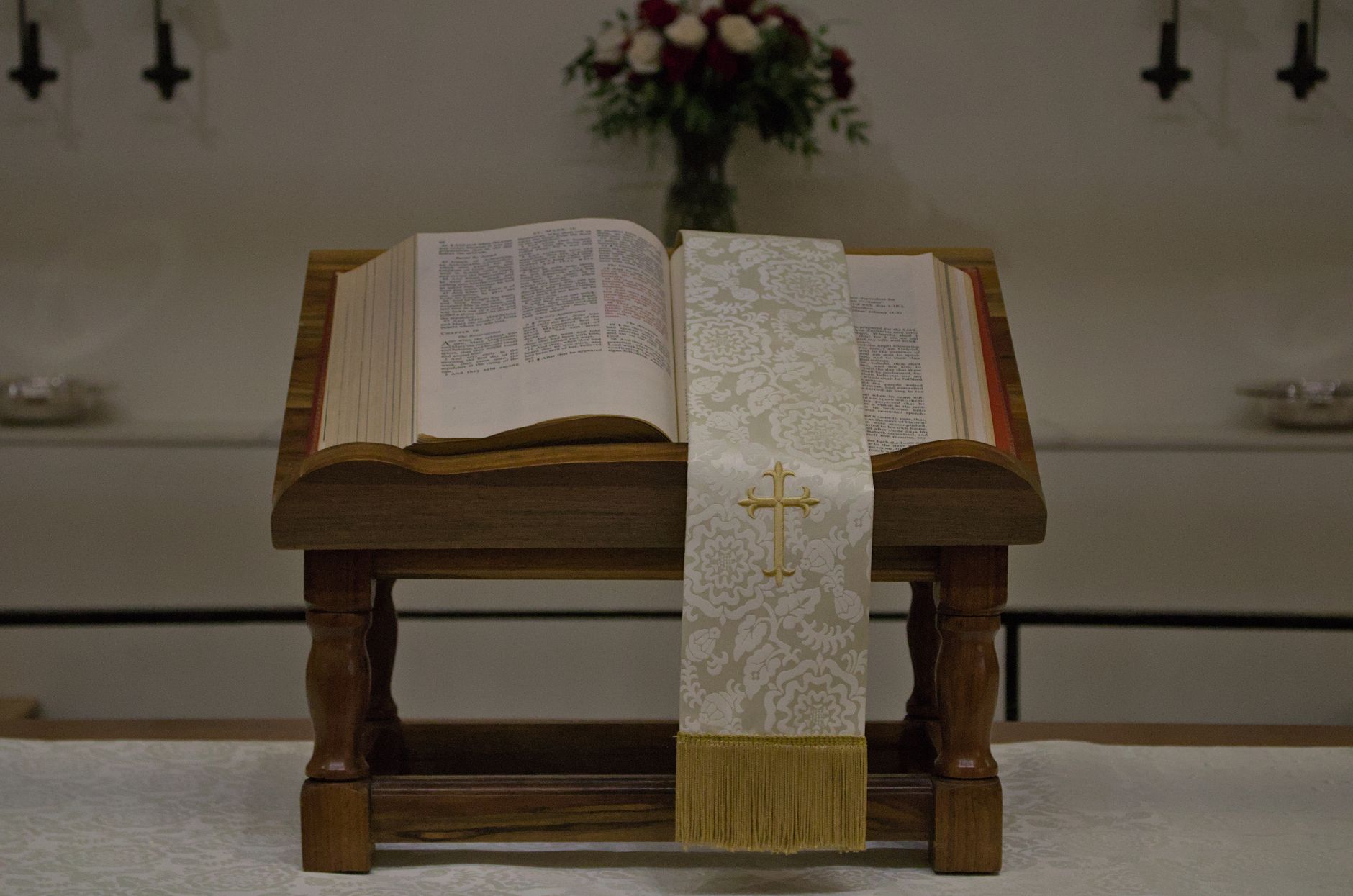
The concept of sanctification holds significant weight in many religious traditions, particularly within Christianity. To sanctify means to make something holy or to set it apart for a sacred purpose. This article will explore the meaning of sanctification as presented in the Bible, delving into its implications for faith, practice, and the believer’s relationship with the divine.
This exploration will lead us through both Old and New Testament interpretations, the role of sanctification in the lives of believers, and how it manifests in spiritual growth and community life. Understanding sanctification can deepen one’s faith and provide clarity on practical applications in everyday life.
What Does It Mean to Sanctify in the Bible?
To sanctify, in biblical terms, derives from the Hebrew word “קדש” (qādash) and the Greek word “ἁγιάζω” (hagiázō). Both terms relate to the idea of holiness, separation, and dedication to God. Sanctification can occur in various contexts, including people, places, and objects, indicating their set-apart status for divine purposes.
The Biblical Basis for Sanctification
Sanctification is rooted in several biblical passages that highlight God’s command for holiness among His people. Key texts include the following:
- Leviticus 20:7-8: “Consecrate yourselves, therefore, and be holy, for I am the Lord your God. Keep my decrees and follow them. I am the Lord, who makes you holy.”
- 1 Thessalonians 4:3: “It is God’s will that you should be sanctified: that you should avoid sexual immorality.”
- Hebrews 10:14: “For by one sacrifice he has made perfect forever those who are being made holy.”
These passages collectively illustrate that sanctification is a divine initiative coupled with human response and commitment. It emphasizes the necessity for believers to live in accordance with God’s righteous standards.
The Process of Sanctification
Sanctification is understood to take place in three primary stages within Christian theology:
- Positional Sanctification: This initial stage occurs at the moment of salvation, whereby believers are set apart from sin and declared holy through their faith in Jesus Christ. This is often discussed in Ephesians 1:4, which states, “For he chose us in him before the creation of the world to be holy and blameless in his sight.”
- Progressive Sanctification: Following initial sanctification, believers undergo a lifelong process of spiritual growth and moral improvement. This journey is characterized by increased conformity to Christ’s image, made possible through the work of the Holy Spirit (Galatians 5:22-23).
- Ultimate Sanctification: The final stage occurs at the return of Christ when believers will be fully sanctified, free from sin and made perfect. This hope is reflected in Philippians 3:20-21.
Each stage is essential for a believer’s spiritual journey, emphasizing both God’s sovereignty and human responsibility.
The Role of the Holy Spirit in Sanctification
The Holy Spirit plays a critical role in the sanctification process. Consider the following points about His influence:
- The Holy Spirit empowers believers to resist temptation and sin, providing strength to live a holy life.
- He guides believers in truth and righteousness, helping them discern God’s will (John 16:13).
- Through regular practices of prayer, scripture reading, and fellowship, the Holy Spirit nurtures spiritual growth.
Believers are called to cooperate with the Holy Spirit’s work, submitting to His leading and allowing Him to transform their hearts and minds.
Sanctification and Community Life
Sanctification is not just an individual journey but is also deeply communal. In biblical community, sanctification plays a vital role in shaping relationships and the shared faith experience. Here are several aspects to consider:
- Community accountability encourages individuals to pursue holiness, helping each other remain steadfast in their faith.
- Participation in corporate worship, prayer, and sacraments fosters a collective sense of sanctification, as a community dedicates themselves to God.
- The church acts as a nurturing environment where believers are taught, corrected, and encouraged in their spiritual growth.
Acts 2:42-47 beautifully depicts the early church’s dedication to teaching, fellowship, breaking bread, and prayer, emphasizing the importance of communal sanctification.
Implications of Sanctification for Daily Life
Understanding sanctification has practical implications for everyday living. Key areas where this understanding can influence one’s life include:
- Ethical Living: A sanctified life calls for ethical decisions that align with God’s commandments and guidelines.
- Relationships: Sanctification encourages individuals to treat others with love, respect, and integrity, promoting harmony within families and communities.
- Purpose in Life: Recognizing one’s sanctified status helps believers understand their divine purpose, as they seek to reflect God’s love and holiness to the world.
Practicing sanctification in daily life requires intentionality. Believers are encouraged to reflect on areas in which they may need growth and open themselves to the transformative work of God.
Sanctification in Christian Tradition
Different Christian denominations may emphasize various aspects of sanctification. For example:
- Roman Catholicism: Views sanctification as a process involving grace received through the sacraments, where believers participate actively in their growth in holiness.
- Protestantism: Generally emphasizes justification by faith, viewing sanctification as the believer’s lifelong journey of growing in grace and the knowledge of God.
- Eastern Orthodox Christianity: Focuses on theosis, the process of becoming one with God’s divine nature through participation in the sacraments and the life of the Church.
Despite differing emphases, all traditions agree on the fundamental principle that sanctification is essential for spiritual growth and a life devoted to God.
Challenges to Sanctification
Believers may encounter various challenges in their journey toward sanctification. These may include:
- Worldly Distractions: The constant pull of secular values can divert attention from spiritual growth.
- Suffering: Trials and difficulties may lead to doubt or despair, making it challenging to maintain faith and pursue holiness.
- Lack of Accountability: Isolation can hinder spiritual growth; believers thrive in community.
Recognizing these challenges allows individuals to approach them with proactive strategies, including seeking community support, engaging in prayer, and staying rooted in Scripture.
Practical Steps for Pursuing Sanctification
To cultivate a sanctified life, believers may consider adopting various practices, including:
- Daily Prayer: Setting aside time each day to pray can deepen one’s relationship with God and provide guidance for living a holy life.
- Bible Study: Engaging regularly with Scripture can provide insights into God’s will and empower transformation.
- Accountability Groups: Joining a small group or prayer partner can offer support and encouragement in pursuing holiness together.
- Serving Others: Actively participating in service opportunities can foster humility and a greater awareness of the call to love and serve as Christ did.
These practices create a framework within which believers can grow increasingly aligned with God’s character and purposes.
Reflection on Sanctification
As we contemplate the meaning of sanctification in our lives, consider the following questions:
- In what areas of my life do I sense the need for growth in holiness?
- How can I better engage with my community to foster mutual encouragement in spiritual growth?
- What practices can I implement to support my ongoing journey of sanctification?
Reflecting on these questions may help illuminate personal steps to take toward a closer walk with God.
Conclusion
Sanctification as described in the Bible invites believers into a transformative relationship with God characterized by holiness and dedication. Recognizing the stages of sanctification, understanding the role of the Holy Spirit, and actively pursuing practices that support growth can lead to profound spiritual development. Embracing this journey fosters a vibrant faith that not only enriches the individual but also impacts the community.
As you reflect on the meaning of sanctification, consider exploring related themes further, such as the role of prayer and fasting found in prayers for fasting or insights on how spiritual health intersects with physical health in relation to eating disorders from bible verses about eating disorders.