
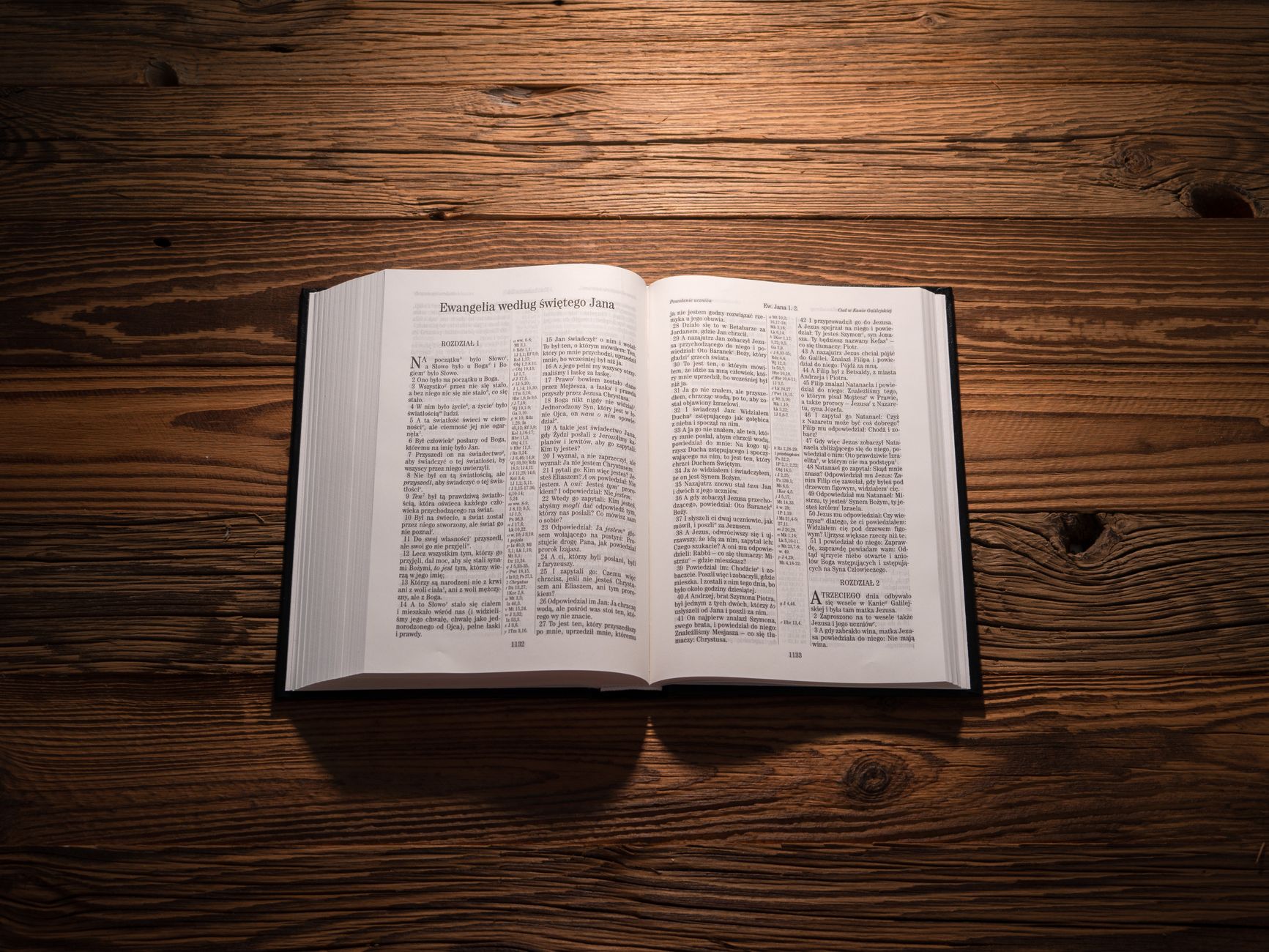
The question of self-defense is one that intersects deeply with ethical considerations, personal beliefs, and scriptural teachings, particularly within the context of Christianity and other faith traditions. Understanding what the Bible says about defending oneself can provide clarity and guidance on this often-controversial topic.
Across various interpretations, the teachings of scripture address the concept of self-defense, offering insights that can help believers navigate the complexities of defending oneself and others in times of danger. This article explores these perspectives, giving a comprehensive overview of relevant biblical passages and theological interpretations.
What Does the Bible Say About Defending Yourself?
The Bible addresses the theme of self-defense in several passages. Although the explicit term “self-defense” isn’t used, scriptural examples and teachings illustrate principles that can inform believers’ actions in self-protective circumstances.
Key Biblical Passages on Self-Defense
Several verses in the Bible provide insight into the topic of self-defense and the preservation of life. Some of the significant scriptures include:
- Exodus 22:2-3: “If a thief is caught breaking in and is struck so that he dies, the defender is not guilty of bloodshed; but if it happens after sunrise, he is guilty of bloodshed.” This passage recognizes the right to protect oneself and one’s property, especially under imminent threat.
- Luke 22:36: “He said to them, ‘But now if you have a purse, take it; and also a bag; and if you don’t have a sword, sell your cloak and buy one.'” This verse suggests that the disciples were encouraged to be prepared to protect themselves.
- Nehemiah 4:14: “And I looked and arose and said to the nobles, to the leaders, and to the rest of the people, ‘Do not be afraid of them. Remember the Lord, great and awesome, and fight for your brethren, your sons, your daughters, your wives, and your houses.'” This indicates a collective responsibility to defend one’s community and family.
- Matthew 5:39: “But I tell you, do not resist an evil person. If anyone slaps you on the right cheek, turn to them the other cheek also.” This verse raises a nuanced discussion about the distinction between personal insult and self-defense in life-threatening situations.
Interpretations and Theological Perspectives
Interpretations of these passages vary among different Christian denominations and believers. Here are some common perspectives:
- Just War Theory: Some theologians advocate that self-defense, especially on a larger scale (like in warfare), can be justified under the just war theory, which establishes criteria that must be met for a war to be considered just.
- Pacifism: Many believers, following a pacifist interpretation of scripture, emphasize non-violence and view self-defense as contrary to the teachings of Jesus, who preached love for enemies and forgiveness.
- Rational Self-Protection: Others argue that self-defense is permissible when it is rational and aimed at preserving life, especially when it involves protecting one’s family or loved ones from harm.
The Ethics of Self-Defense
The ethics surrounding self-defense involve balancing the right to protect oneself with the call to love others, even those who threaten one’s safety. Within this framework, Christians are encouraged to reflect on their motives and the consequences of their actions.
Asking the Right Questions
When confronted with a situation requiring self-defense, believers may consider the following questions:
- What is the intent behind my actions? Am I acting out of fear, anger, or a genuine need for protection?
- Am I preserving life, or am I escalating violence?
- What are the possible repercussions of my actions, both legally and spiritually?
- How do my actions reflect my faith and commitment to Biblical teaching?
Context and Cultural Interpretations
The interpretation of Biblical teachings on self-defense can also depend on cultural contexts. In some cultures, defensive violence may be seen as a necessary act of self-preservation, while in others, any form of retaliation is frowned upon.
Practical Guidance for Believers
Considering the various interpretations and ethical aspects of self-defense can equip believers to make informed decisions. Here are some practical steps for believers navigating this complex topic:
- Seek Wisdom: Engage in prayer and reflection, asking for God’s guidance in understanding the nuances of self-defense.
- Study Scripture: Delve deeply into Biblical texts concerning violence, self-defense, and ethical teachings to form a well-rounded perspective.
- Consult Religious Leaders: Having conversations with pastors or spiritual mentors can offer insights and varying perspectives on self-defense.
- Consider Non-Violent Alternatives: Explore de-escalation strategies and non-violent conflict resolution techniques that align with Christian teachings of love and forgiveness.
- Cultivate Inner Peace: Engaging in prayer, meditation, and community support can help foster a sense of peace that may guide responses in detrimental situations.
The Role of Community and Accountability
Self-defense often raises questions of community responsibility. Believers are part of a larger fellowship that emphasizes mutual support and protection.
The Importance of Community
Religious communities can play a critical role in frameworks around self-defense:
- Shared Values: Communities can foster shared values regarding safety and protection, helping individuals develop a sense of collective responsibility.
- Accountability: Being part of a faith community encourages individuals to hold each other accountable for actions taken in the name of self-defense.
- Support Systems: Difficult discussions regarding self-defense can take place in environments that provide emotional and spiritual support.
Reflection on the Teachings of Jesus
At the heart of Christian teaching is Jesus Christ, whose approach to violence and self-defense can serve as a model for followers. His life emphasized love, sacrifice, and reconciliation.
Turning the Other Cheek
Jesus’ instruction to “turn the other cheek” presents a formidable challenge in the discussion of self-defense:
- This teaching is often interpreted as a call to resist the urge for violent retaliation and to seek peaceful solutions.
- It highlights the emphasis on forgiveness and understanding, even when faced with personal offense or aggression.
- Yet, believers may also consider how this teaching interacts with situations of life-threatening danger.
Concluding Thoughts
What the Bible says about self-defense emphasizes a thoughtful examination of context, ethics, and personal motives. Believers are encouraged to reflect deeply on these teachings, discerning how to balance the instinct to protect oneself while adhering to the call of love and forgiveness found in scripture.
Ultimately, the decision to defend oneself is personal and should be approached with an understanding of the weight of such actions, both spiritually and ethically. Seeking guidance through prayer, scripture study, and consultation with wise counselors can provide clarity in these moments.
As we explore this topic, it is vital to engage in reflective practices such as meditation or journaling to assess our feelings and beliefs regarding self-defense further. Consider asking yourself what actions align with your faith and how they reflect your relationship with God and your community.
For further exploration on the intersection of spirituality and daily living, readers may also find value in the following articles: Bible Verses About Food and Prayers for Food. These resources may offer additional insights into the spiritual dimensions of everyday life.