
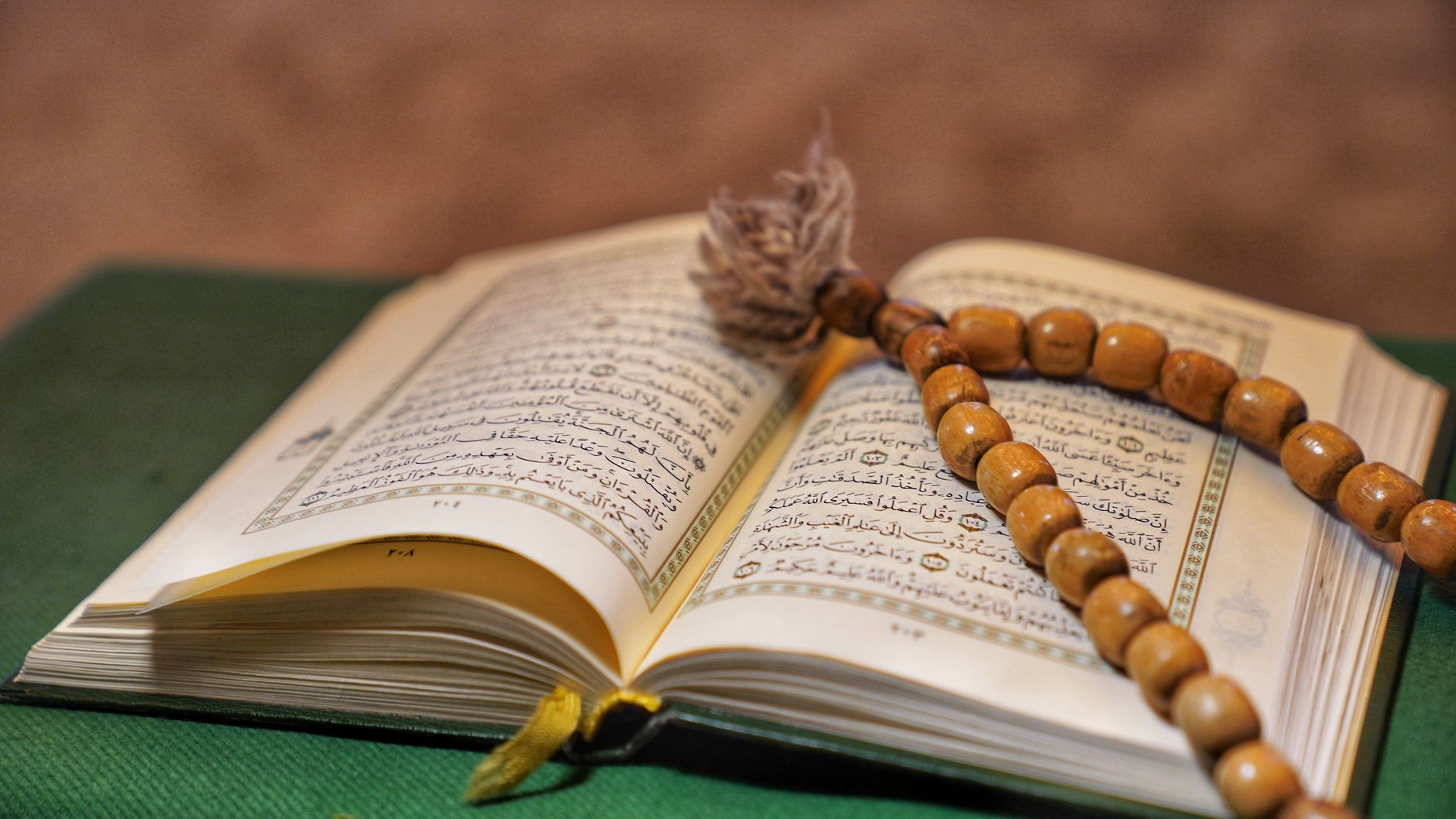
The relationship between Christianity and Islam has been a topic of discourse and reflection for centuries. Understanding what the Bible says about Islam requires a careful examination of both theological perspectives and scriptural references. This article will explore the Bible’s views in relation to Islam, looking closely at the concepts of prophecy, teachings about Jesus, and key ethical directives found in both traditions.
As we navigate this dialogue, it is important to acknowledge the significance of Islamic teachings and their own understanding of the Bible. This respectful exploration seeks to promote interfaith understanding and clarity about the intersections and divergences between these two major world religions.
What Does the Bible Say About Islam?
The Bible does not explicitly mention Islam, as it was written long before the advent of Islam in the 7th century CE. However, there are several theological constructs and discussions that can be related to Islamic beliefs. To understand this relationship, we can consider several key areas: prophecy, the figure of Jesus, the concept of God, and ethical teachings.
Prophetic Foundations
One of the most significant aspects of both Christianity and Islam is the emphasis on prophecy. In Christianity, the Old Testament contains numerous prophecies that are believed to point towards the coming of Jesus Christ, whom Christians recognize as the Messiah. Muslims, on the other hand, regard Muhammad as the final prophet, the “Seal of the Prophets,” who brings the ultimate revelation with the Qur’an.
While the Bible does not mention Muhammad, some interpretations suggest that certain verses, especially in the context of prophetic literature, might allude to the coming of a messenger. For example, in the book of Deuteronomy, it states:
- “The Lord your God will raise up for you a prophet like me from among you, from your fellow Israelites. You must listen to him.” (Deuteronomy 18:15, NIV)
Some Muslim scholars interpret this passage as referring to Muhammad, highlighting how different foundational texts can influence religious understanding.
Understanding Jesus in Both Religions
The figure of Jesus is central to Christianity, where he is identified as the Son of God, the second person of the Trinity, and the Savior of humanity. In contrast, Islam recognizes Jesus (known in Arabic as ‘Isa) as a highly revered prophet and messenger of God, but not divine. The Qur’an teaches that Jesus was born of the Virgin Mary and performed miracles, affirming his importance in Islam.
Here are some key verses regarding Jesus from the Bible:
- “For God so loved the world that he gave his one and only Son, that whoever believes in him shall not perish but have eternal life.” (John 3:16, NIV)
- “Jesus answered, ‘I am the way and the truth and the life. No one comes to the Father except through me.’” (John 14:6, NIV)
These verses underline Jesus’ divine role in Christianity but can create a contrast with Islamic teaching that emphasizes monotheism and the oneness of God, where associating partners with God (known as Shirk) is regarded as a serious transgression.
The Concept of God: Similarities and Differences
Both Christianity and Islam are monotheistic faiths, but they understand the nature of God differently. Christianity teaches the Trinity—Father, Son, and Holy Spirit—while Islam strongly emphasizes the absolute oneness of God (Tawhid). The Qur’an states:
- “Say, ‘He is Allah, [who is] One, Allah, the Eternal Refuge. He neither begets nor is born, nor is there to Him any equivalent.’” (Qur’an 112:1-4)
These theological distinctions are crucial in understanding the cores of both faith traditions. Engagement in dialogue can help deepen the understanding of these differences while appreciating the shared belief in a single, sovereign God.
Ethical Teachings and Social Justice
Both religions place a strong emphasis on ethical behavior and social justice. In Christianity, the teachings of Jesus advocate for love, compassion, and care for the marginalized. The Sermon on the Mount, for instance, includes the Golden Rule:
- “So in everything, do to others what you would have them do to you, for this sums up the Law and the Prophets.” (Matthew 7:12, NIV)
In Islam, similar principles are articulated within the framework of the Five Pillars, emphasizing faith, prayer, almsgiving, fasting, and pilgrimage. Acts of charity and justice are central in Islamic ethics:
- “And give to the near of kin his due, and to the needy, and to the traveler, and to those whom your right hands possess. Indeed, Allah does not like those who are self-deluding and boastful.” (Qur’an 4:36)
Such teachings reveal a commitment in both faiths toward responsible action in the world, shaping ethical behavior and social responsibility.
Interfaith Relations and Understanding
In an increasingly pluralistic society, fostering mutual respect and understanding between Christians and Muslims is essential. Engaging in interfaith dialogue can illuminate shared values, such as compassion and the pursuit of justice, while also acknowledging theological differences. By focusing on what unites rather than divides, believers from both traditions can find common ground.
Engagement and Dialogue Practices
Faith communities can take proactive steps to build relationships and understanding between Christians and Muslims. Here are some suggested practices:
- Organize interfaith events to promote dialogue.
- Engage in community service projects together.
- Create educational workshops to explore both traditions.
- Encourage shared reflections on sacred texts to understand different perspectives.
The Importance of Prayer and Reflection
Prayer is a cornerstone of both faiths, serving as a means to connect with God and seek guidance. Intercessory prayers, communal prayers, and devotional reflections provide valuable opportunities for individual and collective spirituality. Reflection can deepen one’s understanding and appreciation of both traditions, leading to a more empathetic engagement.
Consider the following practice, which can enhance interfaith spirituality:
- Set aside time for personal reflection on the teachings of both Christianity and Islam.
- Integrate prayer into your daily life, allowing time for silence and listening for divine guidance.
- Engage in discussions with individuals from different faith backgrounds to gain new perspectives.
- Consider writing reflections on shared ethical teachings to foster understanding.
Conclusion: A Path Toward Mutual Respect
Exploring the relationship between the Bible and Islam reveals a complex interplay of beliefs, prophecies, and ethical directives. While significant theological differences exist, both faiths are bound by their calls to love, justice, and service. Engaging in constructive dialogue can bridge divides and promote a spirit of cooperation and mutual respect.
One practical next step is to seek out opportunities for dialogue with individuals from Islamic backgrounds, fostering understanding through shared exploration of both faiths. By doing so, adherents to both religions can work towards a more peaceful and harmonious coexistence.
If you’re interested in exploring more about spirituality and faith, consider visiting our articles on the Bible verses about food and prayers for fasting. These topics complement the themes of nourishment and spiritual growth discussed here.