
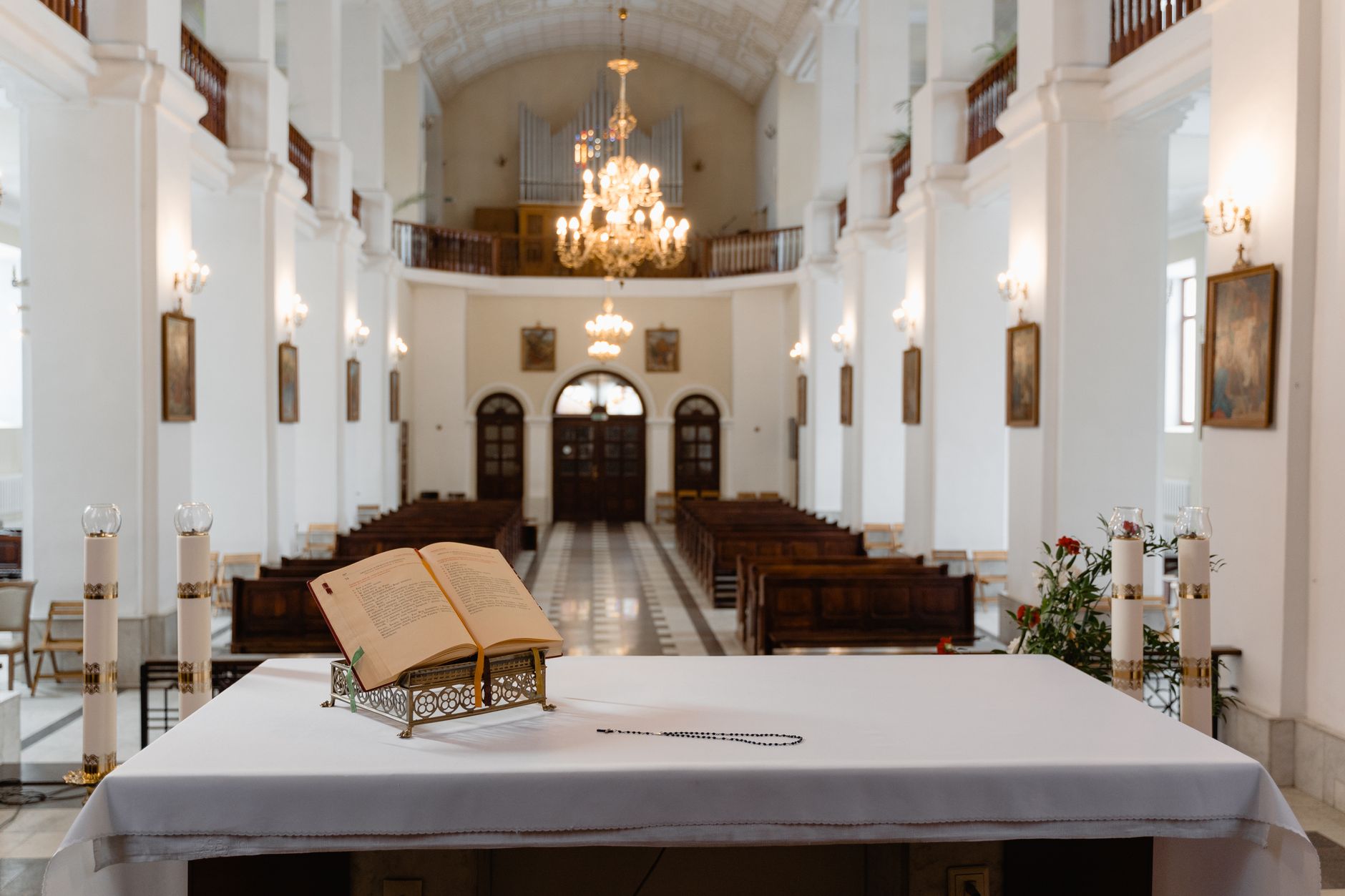
Exploring what the Bible says about witches can illuminate broader discussions about spirituality, ethics, and how faith communities interpret scriptural texts. This topic touches upon passages that reference witchcraft, the historical context of these references, and how they resonate with modern beliefs. Understanding the scriptural view provides insight into religious teachings and their implications for personal and community life.
The Bible’s treatment of witches and witchcraft is rooted in both the Old and New Testaments. The interpretations of these texts vary widely across different faith traditions and denominations. This article aims to explore the relevant scriptures, their meanings, and the ongoing conversations around witchcraft in a contemporary spiritual context.
What Does the Bible Say About Witches?
In the Bible, references to witches and witchcraft are often negative, reflecting a broader disapproval of practices that fall outside of the accepted religious framework of the time. The most notable passages regarding witches come from the Old Testament, particularly from the books of Exodus, Leviticus, and Deuteronomy. These texts provide critical insights into the ancient understanding of witchcraft and its prohibition.
Key Biblical Passages on Witchcraft
Here are some pivotal scriptures that address the subject of witches:
- Exodus 22:18 (NIV): “Do not allow a sorceress to live.” This passage is often cited to illustrate the strict condemnation of witchcraft in ancient Israel. It reflects the broader cultural and religious context that viewed sorcery as a significant transgression.
- Leviticus 19:26-31 (NIV): “Do not eat any meat with the blood still in it. Do not practice divination or seek omens. Do not turn to mediums or seek out spiritists, for you will be defiled by them.” These verses emphasize a prohibition against various forms of divination and practices associated with the occult.
- Deuteronomy 18:10-12 (NIV): “Let no one be found among you who sacrifices their son or daughter in the fire, who practices divination or interprets omens, engages in witchcraft, or casts spells, or who is a medium or spiritist or who consults the dead.” This passage indicates a comprehensive ban on practices considered detrimental to the spiritual health of the community.
- 1 Samuel 28:7-20: This narrative recounts an incident involving King Saul and the Witch of Endor, demonstrating the complexity of the issue. While the witch conjures Samuel’s spirit, the story ultimately portrays the act of seeking out a witch as a desperate measure that leads to dire consequences.
The Cultural Context of Witchcraft in the Bible
The ancient Near East was a region steeped in various religious practices and beliefs. The Hebrew Bible was written in a context where witchcraft and sorcery were often associated with foreign religions, which the Israelites were instructed to avoid. This cultural background shaped the biblical authors’ views, leading to strong admonitions against practices that could undermine the community’s faith in Yahweh.
Interpreting the Texts
The interpretation of these scriptural passages has evolved as communities seek to understand their relevance within modern spiritual contexts. Some key considerations include:
- Historical versus modern practices: The witchcraft mentioned in the Bible often refers to specific ancient practices that may not have direct parallels today. Understanding the original context helps clarify what is ethically and spiritually relevant in contemporary discussions.
- Literal vs. metaphorical interpretations: Some faith traditions interpret these passages literally, viewing them as formal prohibitions. Others see them as metaphorical, emphasizing a broader principle of seeking divine guidance rather than relying on supernatural practices.
- Theological implications: Texts condemning witchcraft may invoke broader themes of authority, power, and the importance of fidelity to one’s faith tradition. Communal interpretations help shape understanding of how these teachings apply to modern spirituality.
Modern Perspectives on Witchcraft and Spirituality
In contemporary spirituality, the notion of witchcraft often extends beyond the biblical interpretation. New Age practices may embrace aspects of what was traditionally termed witchcraft, including herbalism, energy healing, and nature-based spirituality. Many modern practitioners emphasize empowerment, personal growth, and ethical responsibility.
Faith Community Responses
Different faith communities respond to the topic of witchcraft in various ways, influenced by their interpretation of scripture:
- Conservative viewpoints: Some traditional communities maintain strict prohibitions against any form of witchcraft, often viewing it as a direct affront to their beliefs.
- Liberal perspectives: More progressive faith groups may interpret the biblical texts as culturally specific and advocate for understanding witchcraft in the context of empowerment and holistic healing.
- Interfaith dialogue opportunities: Engaging in conversations about witchcraft can foster understanding and respect among diverse spiritual practices, promoting interfaith dialogue.
Ethical Reflections on Witchcraft
The biblical stance on witchcraft invites readers to reflect on broader ethical questions. Here are some reflective considerations:
- Discernment: It is essential for individuals and faith communities to discern between harmful practices and those that promote healing and spiritual growth.
- Oppression vs. empowerment: Understanding that historical contexts often render certain practices oppressive can lead to greater awareness of the need for empowerment and respect for individual autonomy.
- Spirituality and authority: The relationship between spiritual authority and individual practice creates important conversations about the boundaries of faith and personal engagement in spiritual exploration.
Practical Exercises for Personal Reflection
For readers interested in exploring their own beliefs about witchcraft, here are a few practical exercises:
- Scriptural Study: Take time to read the key passages related to witchcraft in the Bible. Reflect on their meanings and consider their application to modern spiritual practice.
- Journaling: Write about your personal beliefs concerning witchcraft, including your understanding of its historical and contemporary significance. Consider how your views intersect with your faith.
- Engage with faith leaders: Open a dialogue with spiritual authorities within your community regarding their interpretation of witchcraft and how it informs their teaching.
- Interfaith Exploration: Learn about other spiritual traditions that embrace practices seen as witchcraft by some. Recognize the insights they may offer.
Conclusion
Understanding what the Bible says about witches involves a deep dive into scriptural texts, cultural contexts, and ethical considerations. These elements shape how individuals and communities approach the subject of witchcraft today.
As a next step, consider reflecting on the ethical implications of spiritual practices in your life. Engage with your community on their perspectives regarding witchcraft, and seek to foster understanding through open conversation.
For further spiritual exploration, you might find interest in related topics such as prayers for pregnancy or prayers for safe delivery of a grandchild. These related articles offer insights into how prayer and spirituality can be woven into daily life.