
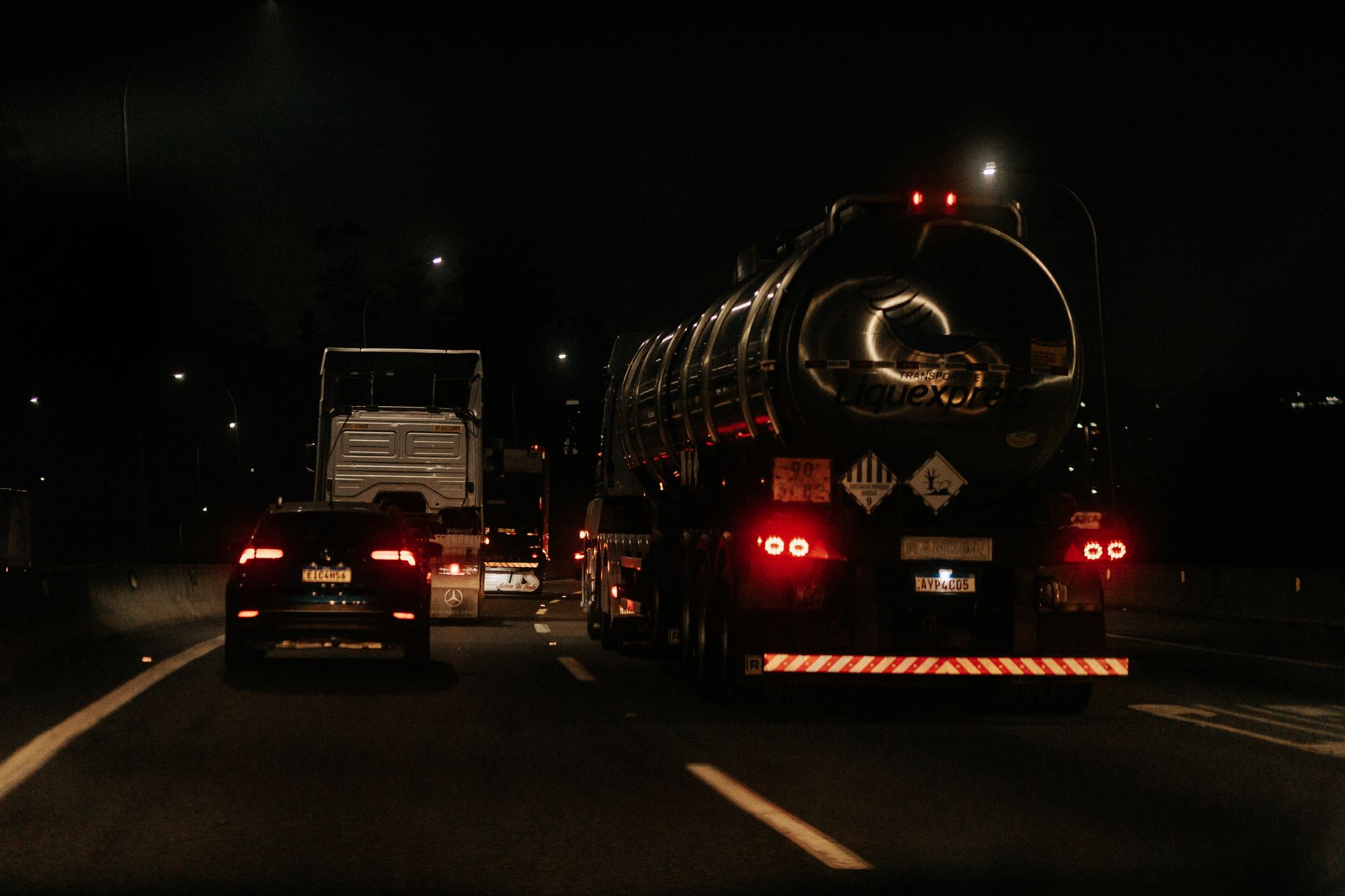
Understanding road safety, especially when sharing the road with large vehicles such as trucks, is vital for all motorists. A key concept in this regard is the “No Zone,” which refers to the blind spots around a truck where other vehicles cannot be seen by the driver. This article delves into what a No Zone is, its implications on travel safety, and how to navigate these areas effectively.
As we explore the concept of No Zones, we will also provide practical tips for safe driving around trucks, ensuring that travelers remain aware and informed when on the road.
What Is a No-Zone?
A No Zone is a term used to describe the danger areas around large trucks and commercial vehicles where the driver has limited visibility. These zones can cover significant portions of space around the truck, potentially leading to hazardous situations if other drivers are not aware of them. Understanding these blind spots is crucial for reducing accidents and ensuring a safer travel experience.
Understanding Truck Blind Spots
Large trucks have several blind spots, which make it challenging for drivers to see smaller vehicles, especially cars and motorcycles. Here are the primary No Zones that all drivers should know:
- Front No Zone: The area directly in front of the truck, extending about 20 feet. This zone is particularly dangerous because if a truck is stopped, a smaller vehicle may not be visible at all.
- Rear No Zone: This zone extends approximately 30 feet behind the truck. If a driver follows too closely, it may be impossible for the truck driver to see them in their mirrors.
- Side No Zones: These blind spots extend along both sides of the truck, extending from the cab to about two lanes over in the left lane and up to one lane over in the right lane. Trucks are often wider than they appear, which can obscure visibility.
- Turning No Zone: The area around the truck when it is making right or left turns. Trucks need to swing wide, and smaller vehicles can easily be hidden in this space.
Why Are No Zones Important?
No Zones are critical because they represent potential danger areas where collisions can occur due to decreased visibility. Understanding these zones can prevent accidents that lead to severe injuries or fatalities. For motorists, knowing when and where to be cautious can make all the difference.
When sharing the road with large trucks, it is essential to practice safe driving habits. Here are practical tips for navigating safely around No Zones:
1. Maintain Safe Distances
Always keep a safe distance from trucks, both in front and behind. This allows you adequate time to react to any sudden stops or changes in direction. Aim for at least a three-second following distance when behind a truck.
2. Use Caution When Overtaking
When passing a truck, do so quickly but safely. Ensure you can see the entire cab of the truck in your rear-view mirror before you move back into your lane. This indicates that you have cleared the truck’s No Zone.
3. Avoid Blind Spots
Be conscious of a truck’s blind spots and avoid lingering in them. If you cannot see the driver’s face in the truck’s mirror, they cannot see you. This is especially true for smaller vehicles in the front and side No Zones.
4. Signal Early
Always use your turn signals well in advance of any lane changes or turns. This gives truck drivers the necessary time to adjust their movements and avoid potential collisions.
5. Be Patient
Large trucks are not as agile as smaller vehicles. Be patient during truck maneuvers, particularly when making turns or merging into traffic. Understanding that they require additional space can help you plan your movements better.
Recognizing Signs of Truck Blind Spots
Being aware of potential blind spots around trucks helps drivers avoid dangerous situations. Most trucks include warning signs or markings indicating that there are blind spots. Recognizing these signs can heighten awareness and drive safer.
The Role of Technology in Enhancing Safety
Modern technology has made strides in enhancing road safety around large vehicles. Some truck models are now equipped with sensors and cameras that help minimize blind spots. Here are a few technology advancements to look out for:
- Blind Spot Monitoring Systems: These systems alert truck drivers when a vehicle is in their blind spot.
- Lane Departure Warning: This feature warns drivers when their vehicle drifts out of its lane, helping with safe and cautious travel.
- Collision Avoidance Systems: Designed to automatically brake if a potential collision is detected.
Common Myths About Truck Blind Spots
Several misconceptions exist about truck blind spots and the behavior of truck drivers. Here, we debunk some of the most common myths:
1. Myth: Trucks Can Always See Your Vehicle
Many drivers assume that truck drivers have a clear view of the road around them. In reality, trucks have significant blind spots, and drivers in smaller vehicles must take extra care not to linger in these areas.
2. Myth: It’s Safer to Tailgate Trucks
Some motorists believe that following closely behind a truck aids visibility. This is false. Tailgating puts you in the truck’s rear No Zone, making it more difficult for the driver to see you.
3. Myth: Trucks are Always Slow Movers
While trucks often have speed limits, that doesn’t mean they travel slowly. Some trucks can move faster than anticipated, particularly on highways. Understanding their speed can help you predict their movements.
Planning Your Travel Routes With Truck Blind Spots in Mind
When planning road trips, especially in areas with frequent truck traffic, it’s essential to strategize your routes. Here are a few considerations:
1. Avoid Congested Areas
Highway interchanges and busy city roads often have a higher concentration of large trucks. If possible, choose alternate routes that may be less congested, reducing the number of encounters with trucks.
2. Choose Off-Peak Travel Times
Travel during off-peak hours when truck traffic tends to be lighter. Early morning or late evening can be ideal times to avoid heavy truck congestion.
3. Stay Informed on Weather Conditions
Inclement weather can affect larger vehicles, causing them to take longer to stop or change direction. Keeping an eye on weather forecasts can help you anticipate potential delays and hazards.
The Importance of Education and Awareness
One of the best ways to enhance safety on the road is through education. Learning about the dynamics of truck travel and blind spots is essential. Here are a few suggestions on how to foster this awareness:
- Participate in safe driving courses focusing on large vehicle interactions.
- Encourage discussions about road safety in community groups.
- Educate friends and family about No Zones to promote safer driving behavior.
Staying Safe While Traveling with Family
When traveling with family, extra caution is vital to ensure everyone’s safety. Here are some tips specific to family road trips:
1. Educate Young Drivers
If traveling with new or younger drivers, take time to explain the importance of No Zones and safe driving practices around trucks.
2. Take Breaks
Plan frequent stops to rest and refresh. This prevents fatigue, which can impair driving abilities, making it easier to overlook important safety measures.
3. Use Technology Wisely
Utilize GPS and travel apps that offer real-time traffic updates to avoid areas with heavy truck traffic or road construction.
Conclusion
Understanding No Zones and the dynamics of sharing the road with trucks is essential for ensuring safe travels. By being aware of blind spots, practicing safe driving habits, and utilizing available technology, travelers can significantly reduce the risk of accidents.
For your next journey, remember to stay educated and cautious on the road, especially around larger vehicles. Plan your routes wisely around traffic patterns and truck-heavy areas to ensure the safety of not only yourself but also your passengers.
Explore our related travel guides on No Zones and learn about the safest way to travel to enhance your travel experiences further.