
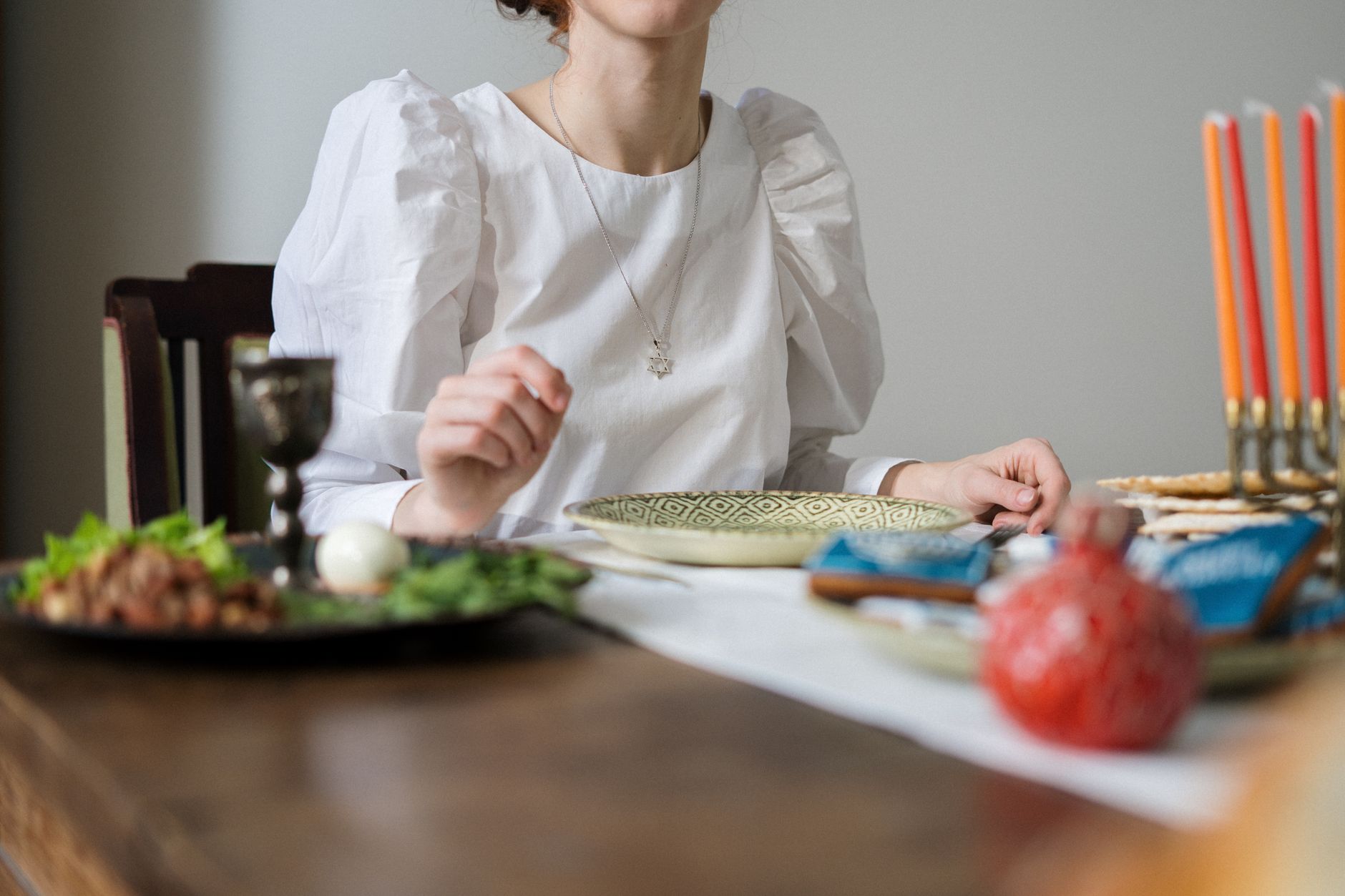
The concept of an omer holds significant theological and cultural meaning within the biblical context, particularly for those observing Jewish traditions. It relates to the measurement used during a period of counting that bridges important festivals. Understanding what an omer is, its scriptural foundation, and its implications can offer deeper insights into its relevance in spiritual practice.
In this article, we will explore what an omer is, its biblical origins, its role in the Jewish calendar, and its broader implications for spiritual growth and understanding. Through scripture and tradition, this exploration will help clarify the place of the omer in contemporary religious practice.
What Is an Omer in the Bible?
An omer is a specific unit of measurement used in the Hebrew Bible, particularly in relation to the counting of weeks or days from the Passover to the Feast of Weeks, also known as Shavuot. The term “omer” translates to “sheaf,” which signifies several important agricultural practices in ancient Israel, as well as underpinning theological concepts.
According to the biblical narrative, an omer was also the quantity of manna collected by the Israelites during their journey in the wilderness. This dual role of the omer encompasses both physical sustenance and spiritual reflection, providing a profound connection to historical and theological themes in Jewish belief.
Scriptural Context of the Omer
The concept of the omer is explicitly mentioned in the Torah. One of the key passages is found in Leviticus 23:10-16 (New International Version):
- “Speak to the Israelites and say to them: ‘When you enter the land I am going to give you and reap its harvest, bring to the priest a sheaf (omer) of the first grain you harvest.”
- “He is to wave the sheaf before the Lord so it will be accepted on your behalf; the priest is to wave it on the day after the Sabbath.”
- “Count off fifty days up to the day after the seventh Sabbath, and then present an offering of new grain to the Lord.”
This scripture clearly states the importance of the omer during the agricultural festival of the Firstfruits, signifying gratitude for God’s provisions. The counting begins after the Sabbath during Passover and culminates at Shavuot, which celebrates the giving of the Torah at Mount Sinai.
The Counting of the Omer
The counting of the omer (Sefirat HaOmer) is an important ritual in Jewish tradition that spans from the second night of Passover to Shavuot. This period consists of 49 days, counting each day and week leading up to Shavuot. It serves multiple spiritual purposes:
- Spiritual Preparation: The counting period allows individuals to prepare themselves spiritually for the significant revelation of the Torah. Each day is seen as an opportunity for self-reflection and growth.
- Connection to Historical Events: The omer links the Passover narrative of liberation from slavery to the revelation of God’s laws at Sinai. This journey mirrors the growth of the Jewish people from physical freedom to spiritual enlightenment.
- Counting as a Community Practice: The act of counting fosters a sense of community among participants. Many congregations and families engage in this practice together, reinforcing shared values and collective memory.
The Spiritual Significance of the Omer
The counting of the omer embodies a transition from the physical to the spiritual. Each day presents an opportunity to focus on various aspects of personal growth. Traditionally, each week corresponds to a different aspect of character development, derived from the sephirot of the Kabbalistic Tree of Life:
- 1st Week – Chesed (Loving Kindness): Cultivating love and kindness towards oneself and others.
- 2nd Week – Gevurah (Severity): Finding balance through discipline and courage.
- 3rd Week – Tiferet (Beauty): Harmonizing acts of kindness and discipline for a balanced character.
- 4th Week – Netzach (Eternity): Developing endurance and the ability to overcome challenges.
- 5th Week – Hod (Glory): Cultivating humility and gratitude.
- 6th Week – Yesod (Foundation): Building strong foundations for relationships with others.
- 7th Week – Malchut (Sovereignty): Embracing leadership and responsibility.
Through daily reflections that align with these qualities, practitioners can gain deeper insights into their personal and communal lives.
Observances and Rituals During Sefirat HaOmer
Throughout the counting of the omer, various customs and rituals accompany this period. Some significant observances include:
- Recitation of the Blessings: Each evening, blessings are recited before counting to acknowledge the spiritual significance of the omer.
- Community Gatherings: Many congregations hold gatherings to reflect on the week’s theme, engage in study, and share insights.
- Personal Reflections: Individuals may keep a journal of their reflections, noting how they are embodying the weekly themes.
- Restriction on Celebrations: Traditionally, certain joyous activities such as weddings are avoided during this period, reflecting a time of spiritual introspection.
Meaning of the Omer Beyond Agriculture
While the omer has agricultural roots, its meaning is not limited to farming. Rather, the concept symbolizes a profound connection between the material and spiritual worlds. It reflects on concepts such as:
- Provision and Gratitude: Just as the Israelites received manna daily, practitioners today can reflect on the things for which they are grateful.
- Holiness in the Everyday: The act of counting days and engaging in spiritual work elevates the mundane to the sacred.
- Community and Continuity: The practice continues a long tradition that connects generations, uniting past and present believers.
Conclusion and Reflection
Understanding the omer and its significance highlights the intricate relationship between time, agriculture, and spirituality within the biblical narrative. The counting of the omer serves not merely as a ritual but as a pathway for personal growth and communal bonding.
In what ways can you cultivate gratitude and intentional reflection in your own life? As you consider your spiritual path, think about daily practices that can deepen your connection to both your faith and the community around you. Engaging personally with ritual can create a more vibrant spiritual experience, much like the rich tapestry woven by the counting of the omer.
For further exploration, consider the significance of fasting in various traditions, as discussed in our article on prayers for fasting. You may also reflect on the themes surrounding Jesus’ own experience of fasting, as explored in how many days Jesus fasted in the desert.