
Bolivia is a landlocked gem in South America, known for its incredible cultural diversity, breathtaking landscapes, and rich history. From the shimmering waters of Lake Titicaca to the vibrant streets of La Paz, Bolivia offers a unique blend of natural beauty and cultural heritage that captivates travelers from around the globe.
This guide will explore what Bolivia is famous for, focusing on its top attractions and local cuisine, providing you with everything you need to plan an unforgettable trip.
What Is Bolivia Known For?
Bolivia is known for its stunning natural landscapes, including the world’s highest capital city, incredible salt flats, diverse indigenous cultures, and distinctive local foods such as salteñas and anticuchos. The combination of these elements makes Bolivia a unique and must-visit destination in South America.
Top Attractions in Bolivia
When visiting Bolivia, there are several must-see attractions that you should consider including in your itinerary. Each site offers a unique glimpse into Bolivia’s diverse geography and rich culture. Here are the top attractions:
- Salar de Uyuni: The largest salt flat in the world, covering over 10,000 square kilometers, is known for its stunning reflective surfaces and unique photo opportunities.
- La Paz: The highest capital city in the world, features breathtaking views of the Andes mountains, vibrant markets, and rich cultural experiences.
- Lake Titicaca: The highest navigable lake in the world, famous for its stunning scenery, indigenous communities, and Isla del Sol.
- Potosí: Once one of the richest cities in the world due to its silver mines, it features colonial architecture and the eerie Cerro Rico.
- Tiwanaku: An ancient archaeological site populated by a pre-Columbian civilization, known for its impressive stone structures and rich history.
- Madidi National Park: Home to one of the most biodiverse ecosystems in the world, ideal for wildlife enthusiasts and ecotourism.
- Sucre: The constitutional capital of Bolivia, known for its beautiful colonial architecture, pleasant climate, and vibrant culture.
- Yungas Road: Also known as Death Road, is celebrated for its stunning views, although it is primarily known for biking adventures.
Salar de Uyuni
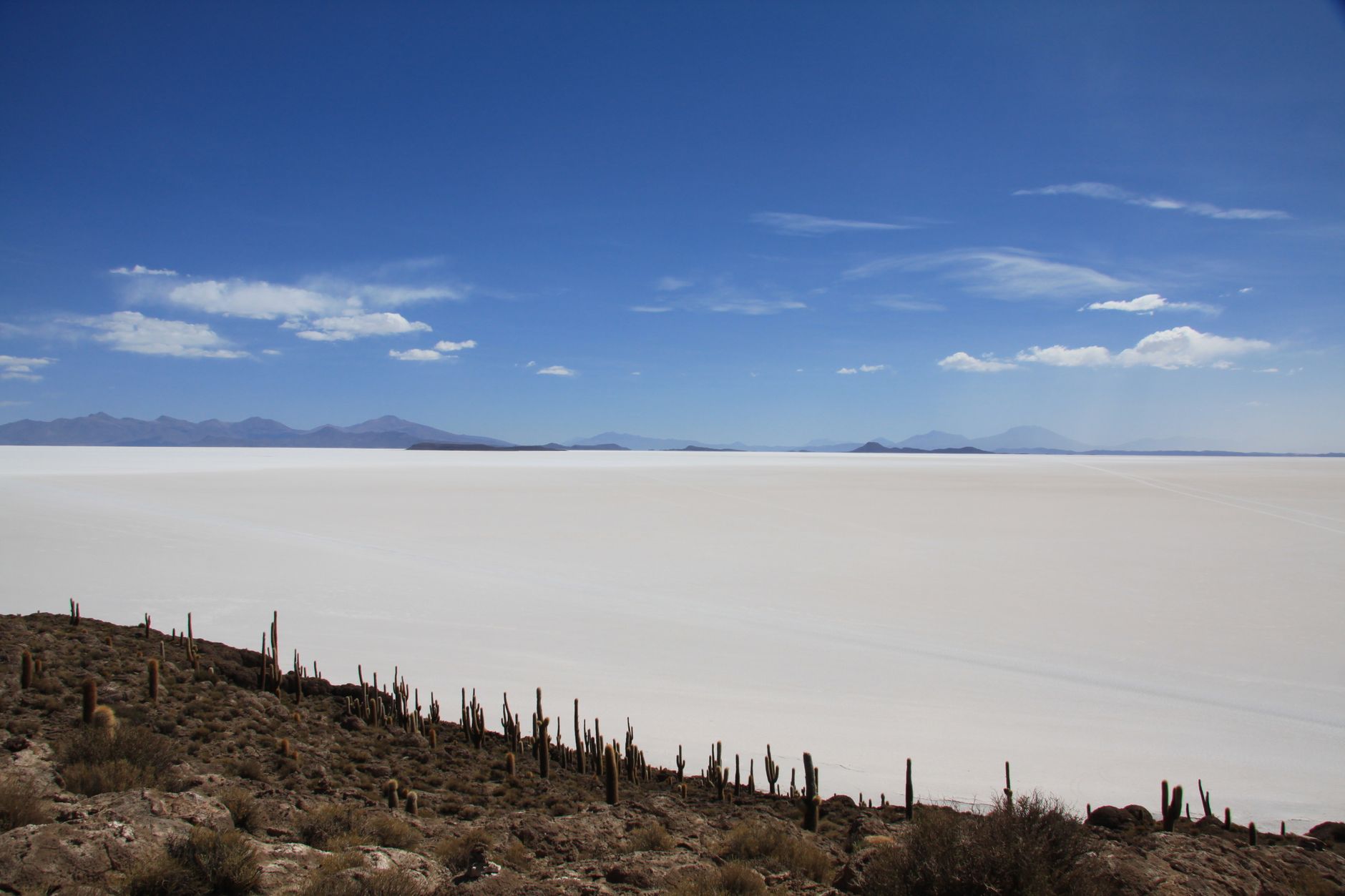
Salar de Uyuni is undoubtedly the highlight of many visits to Bolivia. It attracts visitors with its surreal landscapes that create a dreamlike atmosphere, especially during the rainy season when water covers the salt crust, mirroring the sky.
While at Salar de Uyuni, don’t miss the nearby Incahuasi Island, known for its giant cacti and stunning 360-degree views. Guided tours often include lodging options made entirely of salt, enhancing the unique experience.
La Paz
La Paz is a vibrant city that surprises with its unique high-altitude setting. Its markets, such as the Witches’ Market, where traditional remedies and curios can be found, provide an authentic insight into indigenous culture and traditions. A ride on the Mi Teleférico aerial cable car offers breathtaking views of the sprawling city and surrounding mountains.
Lake Titicaca
Visiting Lake Titicaca is not just about the scenery; it’s also about the experience of meeting the indigenous people who live on its islands. You can take a boat trip to Isla del Sol and Isla de la Luna, which are rich in myths and history, making this a culturally rewarding excursion.
Potosí
Potosí offers a glimpse into Bolivia’s colonial past and its mining history. The climb up Cerro Rico provides insights into the labor that shaped Bolivia’s history, coupled with breathtaking views of the city. Visitors should be aware of safety standards when visiting the mines and choose guided tours that respect local customs.
Tiwanaku
Tiwanaku is a UNESCO World Heritage site that dates back to 1200 BC. The ruins showcase impressive stone carvings and structures, offering insights into the significant pre-Columbian civilization that thrived here. A visit can be easily combined with a day trip from La Paz.
Madidi National Park
For nature lovers, Madidi National Park is a must-visit. As one of the most biodiverse areas in the world, visitors can enjoy guided wildlife tours, allowing for sightings of various species, including monkeys, jaguars, and numerous bird species. It’s advisable to book tours through reputable agencies that follow eco-friendly practices.
Sucre
Sucre, with its stunning whitewashed buildings, offers a different vibe compared to other Bolivian cities. The pleasant weather and historic ambiance make it a great place to relax. Cultural activities include visiting the Tarabuco Market and engaging in the city’s various festivals throughout the year.
Yungas Road
Known for its thrill-seeking biking experiences, Yungas Road offers adrenaline-pumping descents surrounded by stunning landscapes. It’s essential to choose reputable tour operators who prioritize safety while enjoying this breathtaking adventure.
Local Foods to Try in Bolivia
Bolivian cuisine reflects the country’s diverse cultural influences and local ingredients. Here are some foods you shouldn’t miss:
- Salteñas: These baked empanadas are filled with meat, potatoes, peas, and spices, creating a flavorful snack or meal.
- Anticuchos: Grilled beef heart skewers marinated in spices, often served with potatoes and a spicy sauce. A popular street food.
- Pique a la Negra: A traditional dish made with beef, sausages, potatoes, and a spicy sauce, typically served with rice.
- Chairo: A hearty soup made from native potatoes, vegetables, meat, and sometimes quinoa, showcasing Bolivian flavors.
- Causa Rellena: A layered dish made with mashed potatoes and various fillings, often served cold with avocado.
- Api: A warm traditional drink made from corn, sugar, and spices, commonly enjoyed with pastries during breakfast.
Where to Eat
When exploring local cuisine, consider visiting markets and street vendors for authentic experiences. Many towns have food markets where you can sample a variety of dishes. Upscale restaurants in cities like La Paz and Sucre also offer gourmet takes on traditional Bolivian dishes, often highlighting local ingredients.
Practical Travel Tips
Traveling in Bolivia can be an adventure; here are some practical tips that may help simplify your journey:
Best Time to Visit
The best time to visit Bolivia generally falls between May and October during the dry season. This time offers comfortable temperatures for exploring outdoor attractions and is ideal for visiting places like the Salar de Uyuni.
Getting There and Around
Bolivia’s primary international airport is El Alto International Airport, roughly 10 kilometers from La Paz. From various countries, flights are available through major airlines. Consider using domestic flights for longer distances, as road travel can be time-consuming due to the geography.
In the cities, buses and taxis are common. The Mi Teleférico in La Paz is a convenient way to navigate the city’s hilly terrain and experience stunning views.
Accommodation Options
Accommodation in Bolivia varies significantly by region. Major cities offer hotels, hostels, and boutique lodges. In tourist areas such as Uyuni and Lake Titicaca, consider staying in unique accommodations like salt hotels or eco-lodges, which enhance the overall experience.
Budgeting for Your Trip
Bolivia is known as one of the more affordable destinations in South America. Budget travelers can find dormitory-style hostels or guesthouses starting at reasonable rates, while mid-range hotels and private rooms are also available at fair prices. Street food provides tasty and affordable meal options.
Respecting Local Customs
Bolivia is home to a rich tapestry of cultures, primarily composed of Aymara and Quechua peoples. It’s essential to approach local customs with respect. Learning basic Spanish phrases can go a long way in engaging with locals, enhancing your travel experience, and showing appreciation for their culture.
Your Next Steps for Exploring Bolivia
Bolivia is a land filled with endless opportunities for adventure and cultural exploration. Whether it’s wandering through ancient ruins, indulging in diverse culinary delights, or traversing its breathtaking landscapes, the experiences are boundless. Arriving prepared is key; delve deeper into the attractions that resonate with your interests and make a plan that allows you to savor every moment.
As you plan your journey, consider exploring related destination guides to further enhance your experience. Don’t miss out on learning about what Bolivia is known for at what is Bolivia known for, and check out tips on how to get to Machu Picchu at how to get to Machu Picchu for a complete adventure in South America.