
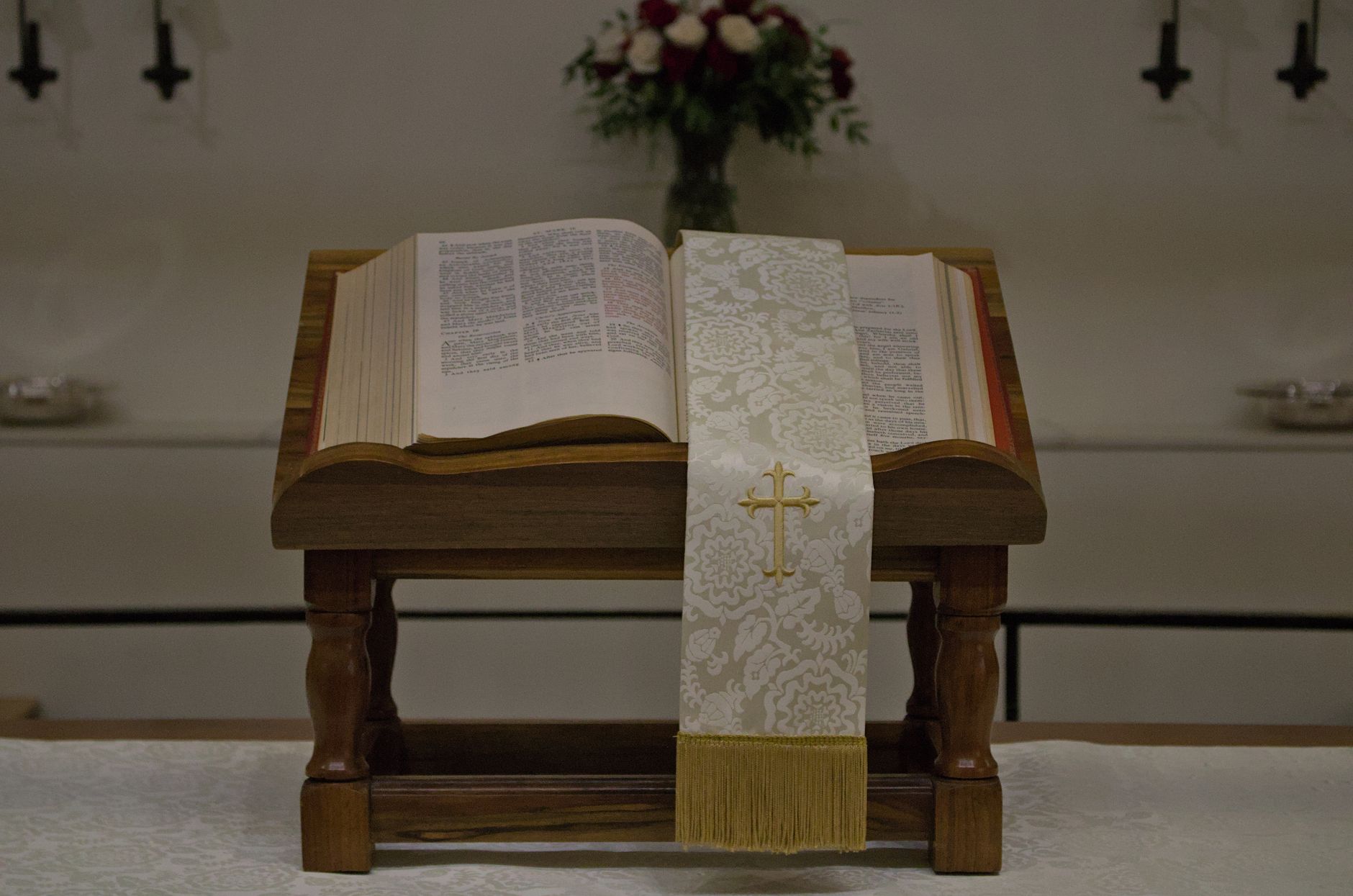
Consecration is a deeply significant concept in the Bible, reflecting the act of dedicating something or someone to God for a sacred purpose. This practice permeates various aspects of biblical history, rituals, and teachings, representing a pivotal element of faith and spirituality.
Understanding the meaning and context of consecration helps to highlight its importance in religious life. It invites believers to examine their personal dedication to God and encourages an understanding of how this practice manifests in both communal and individual worship.
What Is Consecration in the Bible?
In biblical terms, consecration refers to the act of setting apart a person or object for sacred use. The word “consecrate” derives from the Latin “consecratus,” which means “to make holy.” Consequently, biblical consecration establishes a distinct identity for the consecrated entity, marking it as separate from the ordinary and dedicated to God’s service.
This practice is established in both the Old and New Testaments and can involve various rituals, prayers, and sacrifices. Consecration indicates a powerful relationship between God and His people, emphasizing commitment, holiness, and the acknowledgment of God’s sovereignty.
Historical Context of Consecration
The concept of consecration is deeply rooted in the historical practices of the Israelites and can be traced back to the Old Testament. It played a central role in the covenant relationship between God and His chosen people. The following outlines crucial moments and practices of consecration found in the Scriptures.
1. Consecration of the Priests
The consecration of Aaron and his sons as priests is a significant moment in the Book of Exodus. In Exodus 29:1-9, God instructs Moses on how to consecrate Aaron and his sons for their sacred task:
- Washing them with water
- Clothing them in special garments
- Anointing them with oil
- Offering sacrifices to God
This process symbolizes their readiness to serve God and perform the rituals of the tabernacle. It demonstrates the seriousness of their duties and the divine authority given to them.
2. Consecration of the Tabernacle and its Furnishings
The tabernacle, as described in Exodus 40, is also consecrated for God’s presence among the Israelites. God commands Moses to:
- Anoint the tabernacle and all its furnishings
- Consecrate the altar and its utensils
- Set apart the priests for service
This consecration performed by Moses establishes the tabernacle as a holy space where God’s presence dwells. It signifies God dwelling among His people and the importance of maintaining holiness in worship.
3. Consecration in the Book of Leviticus
The Book of Leviticus reinforces the concept of holiness through the laws surrounding sacrifices and offerings. It underscores the requirement for the people to be consecrated before approaching God. For instance, Leviticus 11 outlines dietary laws intended to maintain the Israelites’ purity and holiness, reminding them of their identity as God’s chosen people.
4. New Testament Understanding of Consecration
In the New Testament, the idea of consecration evolves to encompass the followers of Christ. In Hebrews 10:10, it states, “And by that will, we have been made holy through the sacrifice of the body of Jesus Christ once for all.” Here, believers recognize Jesus as the ultimate sacrifice, which consecrates them for eternal life with God.
This understanding reinforces the notion that all believers are invited to live holy lives marked by their relationship with God through Christ.
Theological Implications of Consecration
Consecration carries deep theological significance across various traditions and denominations. It serves as a reminder of God’s holiness and the call for His people to reflect that holiness in their lives. Below are several core theological implications of consecration:
1. Recognition of God’s Sovereignty
Consecration emphasizes the understanding that everything belongs to God. By dedicating something to God, believers acknowledge His ultimate authority and control over their lives. This recognition fosters reliance on God and a humble acceptance of His will.
2. Call to Holiness
Consecration serves as a call for believers to live holy lives. In 1 Peter 1:16, the apostle reminds Christians, “Be holy, because I am holy.” This scripture highlights that everyone who is consecrated is called to reflect God’s character and righteousness.
3. Community and Worship
Through consecration, communities gather for worship, sharing their dedicating acts collectively. This shared commitment promotes unity among believers and fosters a sense of belonging with God’s presence in their lives.
Consecration in Ritual Practices
Consecration is often observed in various rituals within the church and individual practices among believers. Here are a few examples of how consecration manifests in contemporary worship.
1. Dedication of Children
Many churches perform baby dedications or child baptisms as acts of consecration, where parents commit to raising the child in faith and acknowledging God’s authority over their lives. This ritual signifies the child’s set-apart status as a member of God’s family.
2. Ordination of Leaders
Pastors, deacons, and church leaders often undergo rites of ordination, where they are consecrated for their roles within the church. This act involves prayers, laying on of hands, and blessings, marking them as spiritually set apart for leadership and service.
3. Consecration of Elements in the Eucharist
In many Christian traditions, the bread and wine used in the Eucharist (or Communion) are consecrated to become symbols of Christ’s body and blood. This sacred moment invites believers to reflect on their faith, strengthening their dedication to Christ as they partake in the communion meal.
Personal Consecration
While consecration has communal dimensions, it also implies personal dedication to God. Individuals are encouraged to consecrate their lives through the following practices:
1. Daily Devotion and Prayer
Prayer and daily devotion allow believers to bring their thoughts and lives before God, dedicating their time, decisions, and actions to His purpose. Setting aside specific moments for prayer can help to cultivate a consistent practice of consecration.
2. Scripture Study
Engaging with the Bible is another powerful means of personal consecration. Reading and meditating on scripture invites God’s word to shape one’s thoughts and behaviors, leading to a deeper understanding of His will.
3. Service to Others
Serving the marginalized, the needy, or any community requires a heart of dedication committed to God’s service. Acts of kindness and charity exemplify a life lived in accordance with divine purpose.
Reflecting on the Meaning of Consecration
As believers reflect on the meaning of consecration, they might consider several key questions:
- What does it mean for me to be consecrated to God in my daily life?
- How can I dedicate my time, resources, and talents to serve others and God?
- In what areas of my life might I need to seek a renewed commitment to consecration?
Contemplating these questions can lead to deeper insights and foster a commitment to a life dedicated to God.
Conclusion
Consecration is a vital aspect of biblical understanding that calls for dedication and holiness in both communal and individual contexts. This ancient practice reinforces a believer’s identity in relation to God and prompts them to live out their faith through acts of service, reflection, and worship. By understanding the meaning and context of consecration, individuals can deepen their connection with the divine and strive to embody the holiness that stems from their dedication.
As part of your reflection, consider utilizing prayer or scripture study to deepen your understanding of your personal consecration to God. Engaging with the text will yield further insight into how you can maintain holiness in your daily life. Explore related topics by reading about Bible Verses About Food or Prayers for Fasting.