
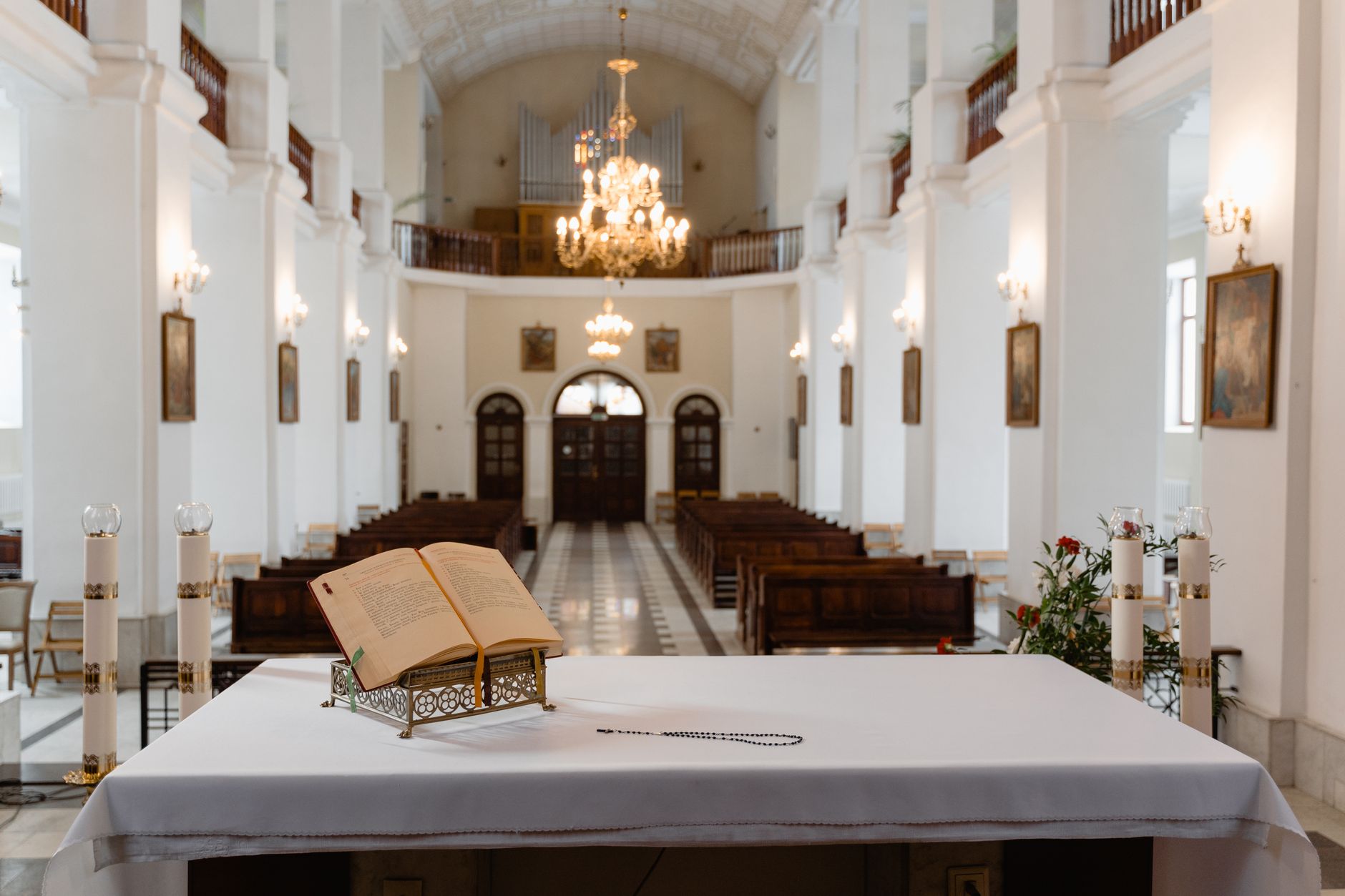
The concept of Sabbath holds significant importance in many religious traditions, particularly within Judaism and Christianity. It is a day devoted to rest, worship, and spiritual reflection, rooted in the idea of creation and divine rest. This article will explore the origins of the Sabbath in the Bible, its theological implications, and how it is observed in various traditions today.
The Sabbath serves as a reminder of the sacred rhythm of life, prompting believers to pause from their daily routines. Understanding the biblical foundation of Sabbath is essential, as it shapes the practices and beliefs of millions around the world.
What Is the Sabbath in the Bible?
The Sabbath, or “Shabbat” in Hebrew, is a day of rest and spiritual enrichment, primarily observed from Friday evening to Saturday evening. According to Jewish tradition, the Sabbath is commemorated as part of the biblical creation narrative, where God created the world in six days and rested on the seventh. This is articulated in the book of Genesis:
- “And on the seventh day God finished His work that He had done, and He rested on the seventh day from all His work that He had done.” (Genesis 2:2, ESV)
The word “Sabbath” itself is derived from the Hebrew verb “shavat,” meaning “to cease” or “to rest.” Thus, the Sabbath is a time to cease from work and to focus on spiritual matters, family, and community.
Theological Significance of the Sabbath
The Sabbath serves multiple theological purposes within the biblical framework:
- Creation and Divine Order: The Sabbath highlights God’s creative work and the order established in creation. By resting on the seventh day, God models a rhythm of work and rest for humanity.
- Spiritual Reflection: The Sabbath is a time to reflect on one’s relationship with God and the world. It provides an opportunity for prayer, study, and connection with the divine.
- Communal Identity: Observing the Sabbath fosters a sense of belonging within the community, reinforcing shared values and traditions.
- Social Justice: The Sabbath is also a means of promoting social equity, as specific Jewish laws regarding the Sabbath include provisions for rest for servants, animals, and the land itself.
The Sabbath Commandments in the Bible
The observance of the Sabbath is not merely a matter of tradition but is enshrined in the Ten Commandments, where it is presented as an essential command from God. The fourth commandment states:
- “Remember the Sabbath day, to keep it holy. Six days you shall labor, and do all your work, but the seventh day is a Sabbath to the Lord your God.” (Exodus 20:8-10, ESV)
This commandment establishes the expectation of rest and sanctity surrounding the Sabbath. Observance of the Sabbath is not only a legal requirement but also reflects one’s faithfulness to God’s covenant.
Observance of the Sabbath in Judaism
In Judaism, the Sabbath is observed with a rich tapestry of traditions and customs. Preparations often begin on Friday, as families clean the house, prepare special meals, and set the table with care. The Sabbath begins at sunset on Friday with the lighting of candles, symbolizing the transition into this sacred time.
Key practices during the Sabbath in Jewish tradition include:
- Prayers and Blessings: Special prayers such as the “Kiddush” (blessing over wine) and “Hamotzi” (blessing over bread) are recited. These prayers sanctify the day and acknowledge God’s provision.
- Sabbath Meals: Meals during the Sabbath are festive, often including challah bread and wine. Sharing meals reinforces community and family bonds.
- Prohibition of Work: Various forms of work are prohibited during the Sabbath, including cooking, writing, and using electronic devices. This restriction encourages rest and disconnect from everyday stresses.
- Torah Study: On the Sabbath, it is customary to engage in the study of Torah, which emphasizes spiritual growth and learning.
The Sabbath in Christianity
The concept of Sabbath has also influenced Christian practices, though interpretations and observances can vary greatly among denominations. While many Christians do not observe the Sabbath on Saturday, the principle of rest and worship continues to hold importance.
The first day of the week, Sunday, became a day of worship for many Christians to commemorate the resurrection of Jesus. This shift is evident in the New Testament:
- “On the first day of the week, when we were gathered together to break bread, Paul talked with them…” (Acts 20:7, ESV)
Some key aspects of the Christian understanding of Sabbath include:
- Worship and Fellowship: Sunday is often dedicated to corporate worship, including communal gatherings, prayers, and singing.
- Rest and Renewal: Many Christians view Sunday as a day for physical and spiritual renewal, encouraging rest from labor and time for family and personal reflection.
- Spiritual Practices: Engaging in Bible study, prayer, and acts of service are common practices that align with the spirit of Sabbath.
Contemporary Observance of the Sabbath
In modern times, the observance of the Sabbath continues to evolve, reflecting cultural changes and individual interpretations among practitioners. Some maintain a strict adherence to traditional practices, while others adopt more flexible approaches.
In a world dominated by busyness, many individuals are rediscovering the importance of a day dedicated to rest. Here are some trends in contemporary Sabbath observance:
- Digital Detox: People are increasingly taking technology breaks during the Sabbath to foster deeper connections with family and spirituality.
- Mindfulness Practices: Incorporating meditation, nature walks, or quiet reflection supports an intentional Sabbath experience.
- Flexibility: Different communities and individuals adapt Sabbath observances to fit their lifestyles, allowing for variation in how it is practiced while honoring its spiritual essence.
Challenges and Reflections on the Sabbath
Observing the Sabbath can present challenges in a fast-paced, demanding world. The pressure of work, social engagements, and responsibilities often leads to difficulties in fully honoring this sacred time.
Some common challenges include:
- Time Constraints: The struggle to balance work and personal commitments may hinder the ability to observe the Sabbath fully.
- External Pressures: Societal norms that prioritize productivity and busyness can conflict with the principles of rest and reflection.
- Personal Struggles: Individuals may grapple with feelings of guilt for taking a break or facing challenges in maintaining a regular Sabbath practice.
Despite these challenges, engaging in regular Sabbath observance can enrich one’s spiritual journey and overall well-being. Here are some reflective practices to consider:
- Set Boundaries: Deliberately designate time for Sabbath peace, limiting distractions and focusing on restorative activities.
- Embrace Stillness: Engage in moments of silence or meditation to cultivate an atmosphere of divine connection.
- Foster Community: Connect with others who share similar beliefs, encouraging accountability and mutual support in observing the Sabbath.
- Reflect on Scripture: Spend time reading passages from the Bible that emphasize rest and spiritual rejuvenation.
The Impact of Sabbath on Spiritual Growth
Observing the Sabbath can significantly influence spiritual development, nurturing deeper connections with self, others, and the divine. Through intentional rest, believers can:
- Enhance Relationship with God: Dedicating time to connect with God fosters spiritual intimacy and understanding.
- Strengthen Community Bonds: Participating in communal prayers and meals creates unity and shared experiences among believers.
- Encourage Self-Care: Recognizing the need for rest and renewal supports mental, emotional, and physical health.
Conclusion
The Sabbath is a powerful and meaningful practice rooted in both Jewish and Christian traditions. It invites believers to pause amidst life’s demands, reflect, and rejuvenate. In our fast-paced world, re-engaging with the Sabbath can offer profound spiritual benefits, nurturing both community and individual faith.
As individuals seek rest and deeper connections, they may reflect on their own practices related to Sabbath observance. How can you intentionally set aside time for rest and spiritual enrichment? Explore the biblical texts or practices related to food and community by visiting Bible verses about food or prayers for food, to better understand the spiritual importance of nourishment and togetherness.