
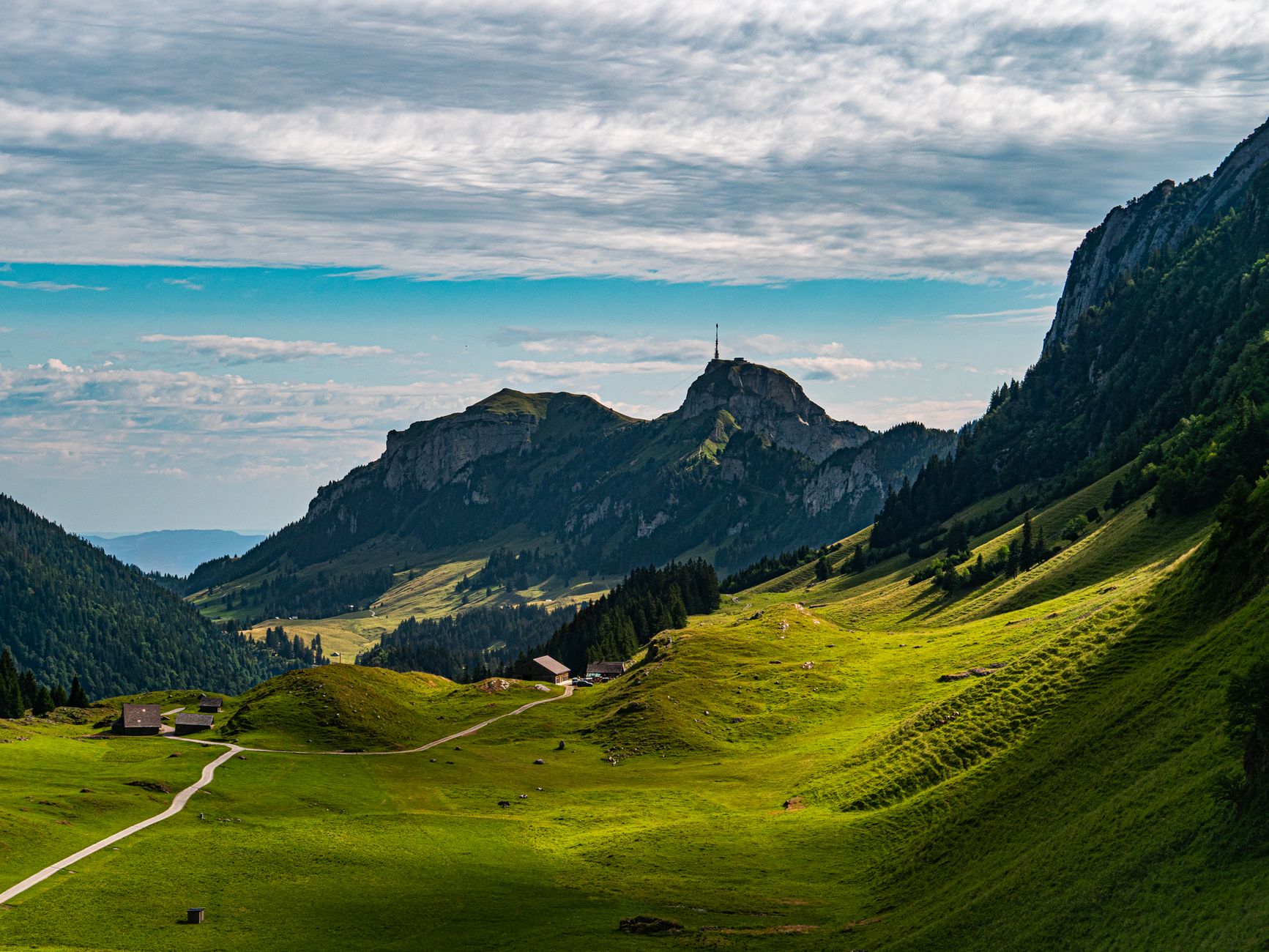
Switzerland is a country renowned for its breathtaking landscapes, rich cultural heritage, and exquisite culinary offerings. Nestled in the heart of Europe, its picturesque mountains, serene lakes, and charming towns make it a dream destination for travelers of all types. This article delves into what Switzerland is known for, covering its sights, cuisine, and cultural experiences.
Whether you are drawn to the natural beauty, the historical architecture, or the famous Swiss chocolates, Switzerland has something to offer every traveler. Below, we explore the must-see attractions, delectable foods, and cultural traditions that define this remarkable country.
What Is Switzerland Known For?
Switzerland is known for its stunning landscapes dominated by the Alps, efficient public transport, high-quality chocolates and cheeses, and a unique blend of cultures influenced by its multilingual population. Visitors are enchanted by its historical towns, picturesque lakes, outdoor adventures, and a commitment to precision in craftsmanship.
Visiting the Iconic Swiss Sights
Switzerland boasts numerous sights that are iconic and worth visiting. Below are some key attractions that encapsulate the essence of the country:
- The Matterhorn: One of the most famous peaks in the Alps, the Matterhorn is an iconic emblem of Switzerland. Located near the resort town of Zermatt, the mountain offers breathtaking views and opportunities for skiing, hiking, and photography.
- Lake Geneva: This stunning lake borders both Switzerland and France, offering serene views and lovely towns like Montreux and Lausanne. The famous Chillon Castle sits right on its shores, an essential visit for history enthusiasts.
- The Jungfrau Region: A UNESCO World Heritage site, the Jungfrau Region features breathtaking mountain scenery, including the Eiger, Mönch, and Jungfrau peaks. Visitors can enjoy train trips on the Jungfrau Railway to the Top of Europe.
- Lucerne: This charming city is home to the iconic Kapellbrücke (Chapel Bridge) and the beautiful Lake Lucerne. It’s an excellent base for exploring nearby Mount Pilatus and Mount Rigi.
- Interlaken: A paradise for adventure seekers, nestled between Lake Thun and Lake Brienz, Interlaken offers activities like paragliding, hiking, and skiing while also providing stunning mountain views.
- Bern: The capital city of Switzerland, Bern features a well-preserved medieval city center that is a UNESCO World Heritage site. Attractions include the Zytglogge clock tower and the Federal Palace.
- Swiss National Park: Located in the eastern part of the country, this national park is a haven for nature lovers and hikers, boasting diverse wildlife and a range of trails.
Exploring Swiss Cuisine
No visit to Switzerland would be complete without savoring its delicious and diverse cuisine. The country’s culinary offerings are influenced by its different linguistic regions, making it a melting pot of flavors:
- Fondue: A Swiss classic where melted cheese is served in a communal pot. Diners dip bread into the cheese using long forks, making for a fun and social dining experience. The most popular cheese for fondue is a blend of Gruyère and Emmental.
- Raclette: Another cheese dish, where the cheese is melted and scraped onto potatoes, pickles, and cured meats. The name “raclette” comes from the Swiss-German word “racler,” meaning to scrape.
- Rösti: A crispy potato dish that resembles hash browns. Rösti is typically served as a side, often accompanying meats and vegetables. Its simplicity makes it a staple in Swiss cuisine.
- Chocolate: World-famous Swiss chocolate is a must-try. Brands like Lindt, Toblerone, and Cailler are renowned for quality. Chocolatiers in cities like Zurich host tours and tastings, allowing visitors to indulge their sweet tooth.
- Bircher Müesli: Originating from Switzerland, this healthy breakfast dish consists of rolled oats soaked in milk or yogurt, combined with fresh fruit and nuts, making it a perfect start to a day of exploration.
Understanding Swiss Culture
The cultural landscape of Switzerland is as diverse as its scenery. With four national languages (German, French, Italian, and Romansh) and distinct regional customs, travelers have the chance to experience various traditions:
- Folklore: Swiss folklore includes traditional music, dance, and festivals. Events such as the Fasnacht in Basel showcase elaborate costumes and lively parades, celebrating local traditions with enthusiasm.
- Yodeling: A form of singing that alternates between high and low pitches, yodeling is part of Swiss heritage, especially in the Alpine regions. Visitors may find local events featuring traditional yodelers during summer festivals.
- Alpine Sports: A significant part of Swiss culture, skiing and snowboarding in the winter, plus hiking and climbing in the summer, are popular among locals and visitors. The Swiss are passionate about outdoor sports, making it an integral part of their lifestyle.
- Art and Architecture: Switzerland’s diverse architecture ranges from medieval castles to modernist buildings. Noteworthy art museums, such as the Kunsthaus in Zurich and the Fondation Beyeler in Riehen, showcase both Swiss and international art.
- Chocolate Festivals: Events like the Salon du Chocolat showcase Swiss chocolatiers’ talents, allowing visitors to learn about the art of chocolate-making while tasting exquisite creations.
Planning Your Swiss Adventure
When traveling to Switzerland, planning ahead can enhance your experience. Knowing the best times to visit, preparing for transportation, and finding suitable accommodations can make your trip memorable:
Best Time to Visit
Switzerland offers year-round experiences, and the best timing depends on your interests:
- Winter (December to February): Ideal for skiing and snow sports in the Swiss Alps. Popular resorts like Zermatt and Verbier attract skiers from around the world.
- Spring (March to May): A great time for hiking as the snow melts, and flowers bloom. The weather is mild, and tourist crowds are fewer.
- Summer (June to August): Perfect for outdoor activities such as hiking, cycling, and lake activities. Popular festivals like Montreux Jazz Festival occur during this period.
- Autumn (September to November): Enjoy colorful foliage in the Alps and fewer tourists. Great for hiking and food festivals, where local harvests are celebrated.
Getting Around Switzerland
One of the best things about Switzerland is its efficient public transportation system. Here are some practical tips:
- Swiss Travel Pass: Consider purchasing a Swiss Travel Pass for unlimited travel on trains, buses, and boats across the Swiss Travel System network. This can save money if you plan to explore extensively.
- Trains: Swiss trains are known for their punctuality and comfort. The scenic train routes, like the Glacier Express and Bernina Express, offer breathtaking views of the countryside.
- Local Transport: Cities like Zurich and Geneva have excellent public transport systems, including trams and buses. Walking is also easy in town centers.
- Cycling: Rent bicycles in cities and towns. Switzerland has well-marked bike paths, making it easy to explore at your own pace.
Choosing Accommodations
Switzerland offers a range of lodging options, from luxurious hotels to quaint guesthouses. Depending on your travel style, consider these types:
- Hotels: Major cities like Zurich, Geneva, and Lucerne host a range of hotels, from five-star luxury to budget-friendly choices.
- Chalets: For an authentic Swiss experience, consider staying in a mountain chalet. They offer a cozy atmosphere and often stunning views.
- Hostels: Affordable options for budget travelers can be found in major cities. Hostels provide dormitory-style rooms and opportunities to meet fellow travelers.
- Airbnb: Explore local neighborhoods and unique accommodations through platforms like Airbnb, with options ranging from city apartments to countryside cabins.
Practical Tips for Travelers
Before you embark on your Swiss adventure, keep these tips in mind for a seamless experience:
- Language: While German, French, Italian, and Romansh are the national languages, English is widely spoken in tourist areas. Learning basic phrases can enhance interactions.
- Currency: Switzerland uses the Swiss Franc (CHF). Credit cards are widely accepted; however, carrying some cash for small purchases is advisable.
- Customs and Etiquette: Be respectful of local customs. Punctuality is highly valued, so whether attending a meal or a train, being on time is appreciated.
- Tipping: Service charges are included in restaurant bills, but rounding up or leaving small change for good service is customary.
- Health Care: Switzerland has high-quality healthcare. Travel insurance is recommended, covering medical emergencies while abroad.
Summary and Next Steps
Switzerland is a captivating country known for its beautiful landscapes, delicious food, and rich culture. From skiing in the Alps to exploring charming towns, every experience is unique. By planning your trip carefully, you can delve into the heart of what makes Switzerland special. Whether you’re a foodie, adventure seeker, or culture enthusiast, the allure of Switzerland awaits your exploration.
For more travel inspiration, consider checking related destination guides and planning tips to enhance your travel experience. Explore what Switzerland is known for to truly understand its charm, or check out practical travel advice for European trips.